

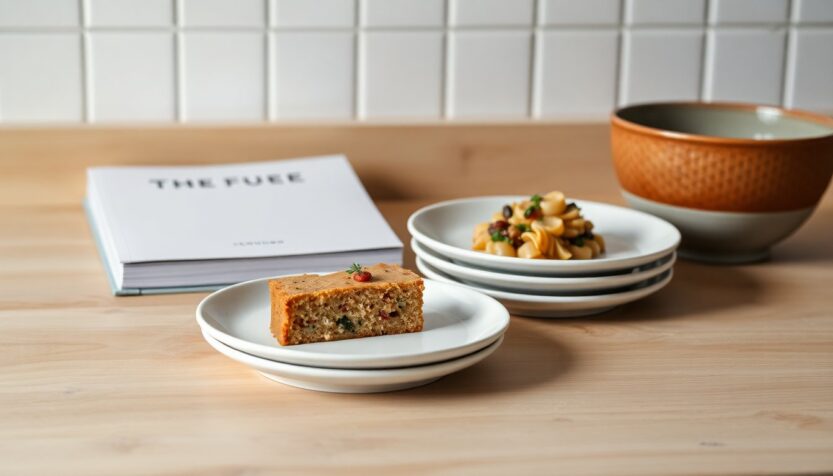
Cookbooks that look as good as they read are enjoying a clear moment. Readers want more than recipes: they want books that double as design objects, storytelling vehicles and reliable kitchen companions. Publishers and investors have noticed. When a title offers lush photography, thoughtful layout and tested recipes, it tends to stick around longer on shelves, spark social-media buzz and open doors for licensing and other ancillary sales. Ella Quittner’s new book, Obsessed with the Best, slots neatly into that sweet spot—part practical manual, part coffee-table magnet.
Why publishers are betting on hybrid cookbooks
The commercial case is simple. Deluxe productions—those that invest in photography, styling and art direction—often achieve higher revenue per unit than plain-text cookbooks. They also convert better online: striking imagery and a coherent visual identity raise click-throughs and average order values, and social snippets from photo shoots fuel early discoverability. That doesn’t mean the math is easy; bigger creative budgets lengthen breakeven timelines and add logistical complexity. But when a title lands—through smart merchandising, strong publicity and retail placement—the payoff can justify the upfront spend.
What went into Obsessed with the Best
Quittner’s project grew from a personal obsession with texture and flavor. She began at the stove, refining everything from the lightest pancakes to the crispiest potatoes and juiciest roast chicken. Over three years the effort broadened into a collaborative enterprise: eighteen months of travel and on-site research, countless at-home trials, and a production team that included photographers, stylists, creative directors and illustrators. The book mixes recipe testing with travel notes and voice-driven essays; it’s meant to be read for pleasure and used without intimidation.
The logistical choreography behind the pages
Creating a visually ambitious cookbook is part laboratory, part theater. Photo shoots required tight schedules, multiple simultaneous dishes and often surprisingly crowded studios—crews staging 20 to 30 scrambled eggs or stacks of pancakes to ensure continuity across frames. One stylist described working in an 85-square-foot kitchen where every assistant’s move had to be timed to the second. Props and sets were chosen with as much care as seasonings: color palettes, textiles and tableware were used to evoke each recipe’s mood, and sometimes a prop became an in-joke—like a classical bust nicknamed “Deb,” draped in whipped cream and treated as a recurring character.
These kinds of high-concept shoots are resource intensive. They raise insurance, prop sourcing and coordination costs, and they demand extra time for styling and art direction. Yet they also create images that stop people mid-scroll and justify premium price points in-store.
Balancing editorial voice and kitchen reliability
A polished photo spread loses credibility if the recipes don’t work. Quittner’s book keeps its footing by pairing tested techniques with conversational essays and personal rituals—stories about family meals, seasonal habits and small obsessions. That narrative thread gives the visuals a human center and nudges readers to try the recipes. Consumer feedback consistently shows that cookbooks which blend dependable weeknight dishes with occasional, shareable showstoppers get the most repeat use. In Quittner’s case, reader favorites include braised tomato-butter cabbage, eggs with comté and caramelized shallots, a chocolate-chunk cookie she calls an “overachiever,” and a frequently made vodka sauce.
Numbers worth noting
– Total production time: about three years, with roughly 18 months devoted to travel and on-location research. – Recipe development: dozens of trials per dish in many cases, aiming for reproducibility in ordinary kitchens. – Financial picture: production budgets skew larger for photography and art direction, but visually driven titles can recoup costs quickly if they achieve strong initial traction.
Market conditions and risks
The broader market remains mixed. Household budgets are still under pressure in some segments, and attention is fiercely competed for across streaming, social and other leisure categories. Still, at-home dining trends and a hunger for tactile, aspirational objects keep the lifestyle cookbook category resilient. The biggest risks are executional: travel logistics, testing in tiny kitchens, and coordinating large creative teams all add expense and complexity. For smaller publishers especially, the bar set by high-concept productions can feel daunting.
Sector ripple effects
When a visually striking cookbook breaks through, it changes expectations. Retailers often give premium display space to titles that double as conversation pieces; prop houses, stylists and design studios see increased demand; and publishers without deep pockets must decide whether to adapt formats or focus on sharper niche positioning. The most successful projects are those that marry editorial thoughtfulness with a distinct visual identity and a clear plan for cross-platform promotion.
What to expect going forward
Titles that balance craft and usability should continue to perform well. Publishers that discipline their budgets while daring with art direction are positioned to capture premium share—especially when they support launches with smart merchandising and social amplification. Investor appetite favors projects that can demonstrate both early momentum and durable backlist potential.
Why publishers are betting on hybrid cookbooks
The commercial case is simple. Deluxe productions—those that invest in photography, styling and art direction—often achieve higher revenue per unit than plain-text cookbooks. They also convert better online: striking imagery and a coherent visual identity raise click-throughs and average order values, and social snippets from photo shoots fuel early discoverability. That doesn’t mean the math is easy; bigger creative budgets lengthen breakeven timelines and add logistical complexity. But when a title lands—through smart merchandising, strong publicity and retail placement—the payoff can justify the upfront spend.0