



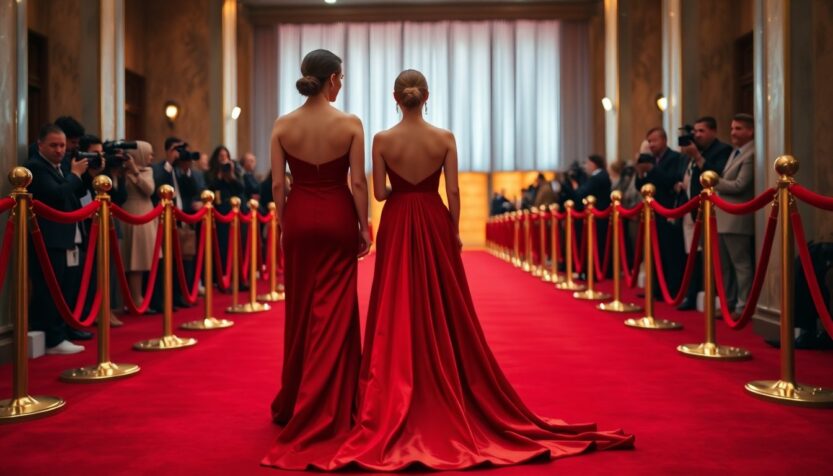
The Oscars red carpet always doubles as a live fashion gallery, and this year was no exception. Celebrities used the night to present signature silhouettes and surprising experiments, pairing couture with unexpected accessories. From classic old Hollywood glamour to modern minimalism, the event showcased a spectrum of approaches to dressing for a moment that is both celebratory and highly scrutinized. Photographers and fashion editors alike were watching details: fabric movement, jewelry choices, and how a design reads under stage lights.
Across the arrivals, a few looks instantly commanded attention. Some felt like instant icons—pieces that read like they were built to be photographed at a victory speech—while others raised eyebrows for being overly ornate or mismatched. The evening highlighted how a single element, whether a bold color block or a sharp tailoring detail, can shift a whole narrative. Designers such as Chanel, Louis Vuitton, Givenchy, and Dior were prominent, and numerous stars leaned into the idea of a princess moment or a quiet, modern silhouette.
Standout gowns and memorable feminine moments
Some arrivals read as immediate classics. Jessie Buckley wore an off-the-shoulder Chanel gown that juxtaposed pale and saturated pinks, a combination that translated as both refined and commanding on camera. Wunmi Mosaku, in a custom Louis Vuitton creation, continued her streak of award-season statement dressing, treating pregnancy as an opportunity for glamorous tailoring rather than concealment. Zoe Saldana opted for a sleek Saint Laurent column that channeled lingerie-inspired simplicity, proving that less can be arresting when cut and proportion are impeccable. Meanwhile, Elle Fanning embraced a fairy-tale sensibility in Givenchy: a full-skirted white gown that leaned into the princess moment she’s long been associated with.
Other feminine looks played with texture and floral motifs. Rose Byrne stood out in a sculptural Dior number with a graphic floral detail that felt unexpected on a high-octane red carpet. Young stars such as Mckenna Grace delivered flawless, age-appropriate takes on the princess silhouette, while Odessa A’Zion brought a bohemian edge to Valentino with a breezier, youth-forward approach. Renate Reinsve favored restraint in a sharp Louis Vuitton red gown that underscored how simplicity can read as deliberate and modern.
Group dynamics, menswear, and adventurous styling
Group presentations and cross-genre pairings added another layer of interest. The trio of singers behind the Best Original Song arrivals—Rei Ami in Rahul Mishra, Audrey Nuna in Thom Browne, and EJAE in Dior—opted for coordinated gold-forward moments that felt cohesive without being identical, a smart take on theme-dressing. On the menswear side, actors like Wagner Moura and Michael B. Jordan demonstrated how tailoring can be both restrained and distinctive: Moura with quiet, elegant cuts and Jordan with a modern Nehru-style jacket that sidestepped conventional tuxedo tropes. Timothée Chalamet balanced rock-star jewelry with a sharply tailored Givenchy suit, reminding viewers how accessories can alter a silhouette’s personality.
Styles that divided opinion
Not every outfit won universal praise. Some ensembles felt overdone—Nicole Kidman in a feather-trimmed Chanel piece drew reactions to the double-feather treatment, while Emma Stone’s pearlescent Louis Vuitton gown struck some as under-accessorized and overly soft for the moment. Teyana Taylor delivered a high-impact look in Chanel that was more maximalist than many expected from her, and Anne Hathaway’s floral trumpet gown prompted debate about whether gloves and a large belt complemented or dated her silhouette. These split reactions underscored how tastes and expectations shape red carpet narratives.
Accessories, movement, and finishing touches
Across the board, jewelry and hems played decisive roles. Standout necklaces and brooches elevated minimalist gowns into memorable statements, while asymmetrical trains and heavy embellishment occasionally hindered mobility—several stars had to navigate weighty hems or layered skirts on the carpet. Designers such as Armani Privé and high-jewelry houses provided decisive finishes for looks by Kate Hudson, Gwyneth Paltrow, and others, proving how a single well-chosen piece can redefine a look from simply pretty to unmistakably red carpet-ready.
Final takeaways
The evening reinforced that successful red carpet dressing blends intention with execution: color, cut, and movement must all align. Winners were often those who treated their look as a single coherent statement—whether that meant a daring color clash, an elegant floral motif, or meticulous tailoring. Meanwhile, pieces that relied on competing statements felt less successful. Ultimately, the night provided plentiful lessons for anyone who follows red carpet fashion: balance matters, accessories can transform, and confidence remains the most persuasive finish of all.