

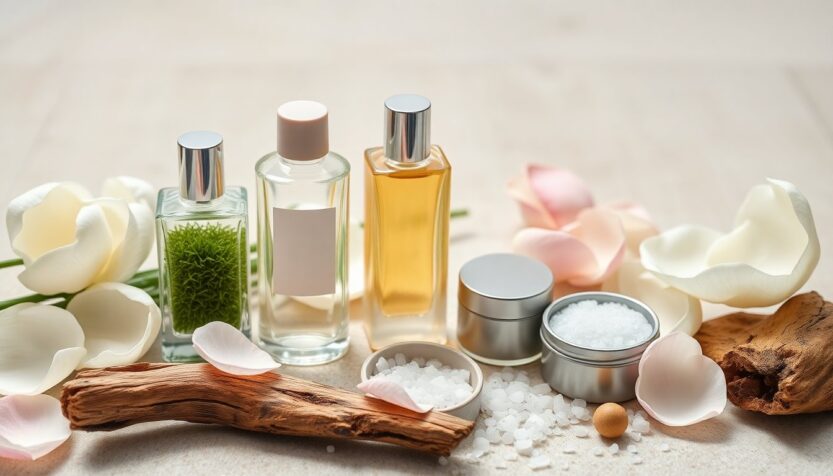
Modern fresh floral: why these scents matter now
Emerging trends show floral fragrances have expanded beyond traditional bouquets. The shift favors lighter, more layered compositions that perform well in daytime settings. These scents pair classic petals with crisp, airy accords and unexpected elements such as sea salt, woods and skin-like musks.
The future arrives faster than expected: perfumers now blend floral top notes with marine, woody or gourmand facets to achieve a restrained, wearable profile. Such combinations produce fragrances that sit close to the skin yet maintain a noticeable aura in personal space.
How format shapes perception
Format influences how a scent reads and lasts. Sprays disperse broadly and create an immediate impression. A nourishing hair mist deposits scent on hair fibers for softer release and mobility. Solid balms offer proximity and control; you can tuck a refillable tin in a bag for discreet refreshes.
Signature ingredients to expect
Expect recurrent notes such as ambrette seeds, coconut water and white musks. These ingredients modulate floral brightness and add a skin-like warmth. Ambrette seeds contribute a slightly balsamic, musky nuance that enhances longevity. Coconut water and marine accords introduce saline freshness that keeps compositions airy.
Practical application matters for longevity. Apply mists or balms to pulse points and hair to extend diffusion. For creams and balms, the skin’s natural oils help anchor volatile top notes and release them gradually.
What makes a floral feel “fresh”
Emerging trends show that freshness in floral perfumes comes from contrast: bright, volatile notes set against restrained, grounding elements.
Following creams and balms, where skin oils modulate volatile notes, a fresh floral relies on an opening that reads airy and a drydown that reads composed.
Top and heart layers often feature citrus, lavender or green accords such as verbena to deliver immediacy and lift.
Supporting bases use subtle woods and musks — sandalwood, musk or driftwood — to provide persistence without weighing the composition down.
Accents like sea salt or ambrette seeds can introduce mineral or skinlike warmth, creating a coastal or sun-warmed skin effect.
Creme-like facets such as coconut water or milky musks supply a creamy sheen that reads modern and sunny while avoiding cloying sweetness.
How perfumers achieve balance
Perfumers layer volatility deliberately: fast-evaporating citrus and green notes first, followed by floral hearts, then anchored by slow-diffusing woods and musks.
Control of concentration and solvent systems matters. Lighter alcohol ratios or hydroalcoholic blends accentuate lift. Oil-based or waxy carriers increase longevity and soften edges.
Formulation techniques such as re-equilibration of aldehydes or use of esterified florals can preserve bloom while reducing heaviness.
Manufacturers also adjust atomization. Fine mists distribute top notes widely, while targeted application preserves intimate sillage.
Following creams and balms, where skin oils modulate volatile notes, a fresh floral relies on an opening that reads airy and a drydown that reads composed.0
Emerging trends show a shift from single-note bouquets to compositions that recreate specific environments. To bridge from creams and balms, where skin oils modulate volatile notes, a fresh floral needs an airy opening and a composed drydown.
Think of a perfume that evokes salt-swept cliffs. Notes of ambrette seeds, sea salt and sage recreate a windy-coast effect. Phrases are short and tactile. The top is mineral and breezy. The base offers herbal restraint.
A hair-friendly citrus-floral mist frames a different use case. Pairing lemon, lavender and mimosa yields bright, sunlit facets without stripping hair oils. Formulated as a nourishing spray, it deposits fragrance and conditioning agents. The result is a luminous trail that preserves hair health.
For warmer, radiance-driven accords, blends with aldehydes, coconut water and sandalwood deliver Brazilian-inspired glow. The opening is effervescent and optimistic. The drydown is creamy and lingering.
Portable formats: sprays, mists and solid perfumes
Portable formats determine how these ideas reach consumers. Sprays suit broad application and strong sillage. Mists offer softer diffusion and hair conditioning benefits. Solid perfumes concentrate oils for discreet touch-ups and longevity.
Emerging packaging innovations favor multifunctionality. A spray can combine UV-protectant or detangling ingredients. A mist can double as a leave-in conditioner. A solid can be shea-based to nourish skin while releasing scent.
These formats also shape perception. Sprays read modern and effortless. Mists feel lifestyle-oriented and sensory. Solids project intimacy and sustainability because they reduce alcohol and packaging waste.
The future arrives faster than expected: expect brands to pair olfactory narratives with format-specific utility. Designers who match scent architecture to format mechanics will have a competitive edge.
Designers who match scent architecture to format mechanics will have a competitive edge. Emerging trends show that format influences both perception and longevity as much as the raw ingredients. Format choices alter volatility, contact time and the way top and base notes unfurl on hair or skin.
Format matters as much as composition when it comes to daily fragrance. Hair mists formulated without drying alcohol let wearers toss their hair and leave a scent cloud without weakening strands. These mists typically echo a brand’s signature citrus or floral composition while adding conditioning agents such as lightweight oils or silicone-free emollients.
Solid fragrances are balm-based and melt into skin oils, producing a more intimate, long-lasting effect shaped by individual body chemistry. Refillable tins and durable casings make solids practical for commuting and flights, and allow discreet reapplication. The tactile ritual of applying a balm also encourages repeat engagement, extending perceived value.
Solid fragrance picks and why they work
Layering, longevity and scent personality
The tactile ritual of applying a balm also encourages repeat engagement, extending perceived value. Solid fragrance picks and why they work follow naturally from format-driven design.
Emerging trends show consumers prefer portable, low-waste formats that deliver controlled diffusion. Travel-friendly balms concentrate aromatic oils in a waxy medium. That medium tempers volatility and prolongs wear on skin. The result is a softer sillage and more intimate projection than many sprays.
Choose balms with warm, gourmand bases—vanilla or rum-toned accords, for example—or with floral-musky blends built around tuberose and orange blossom. Compact solids that layer elements such as musk and ambrox create a pheromone-like warmth without overpowering the wearer. Stick and tin formats make application neat. Swipe on wrists, the neck or the crooks of the elbows for subtle diffusion.
Layering a solid under a lighter spray can extend longevity by several hours. Apply balm first to pulse points, then mist a complementary eau de parfum. For clothes, dab sparingly; balms adhere to fabrics and concentrate over time. For skin-first wear, reapply every few hours to refresh the olfactory profile without building excessive intensity.
The future arrives faster than expected: designers who match scent architecture to portable formats will capture routine moments of use. According to MIT data, micro-interactions shape consumer habits across lifestyle categories. Product teams should therefore optimize texture, melting point and carrier oils to balance diffusion and skin comfort.
Practical implications are immediate for fragrance brands and retailers. Prioritize refillable tins and clear ingredient communication. Test format-specific longevity during development. Who does not benefit? Consumers seeking discreet, travel-ready scent options and brands aiming for higher repeat engagement.
Expect continued investment in multifunctional solids that combine skincare benefits with fragrant appeal. Designers who deliver predictable performance in palm-sized formats will gain an edge as everyday rituals migrate to compact, sustainable objects.
How to make florals last: layered foundations and discreet sillage
Emerging trends show consumers favour intimate, personalised scent rituals that fit compact objects. The future arrives faster than expected: perfumers are building micro-formats that perform like full bottles.
Start with a balm or lotion that shares the fragrance family. A matching base creates a uniform canvas and reduces top-note volatility. Skin scents are designed to be intimate and develop differently on each wearer. They function as a subtle foundation that anchors a subsequent floral spray.
Certain single-ingredient focal points act as molecular enhancers. Notes such as ISO E Super and Cetalox marry with skin lipids. The result is extended longevity and a soft, magnetic trail rather than a loud plume.
If discretion is the goal, prioritise softer fixatives. White musks and gentle woody bases maintain presence close to the skin. They outperform high-sillage bouquets when the aim is to be noticed only by those nearby.
According to MIT data and industry analysis, layering accelerates perceived value by lengthening wear and boosting repeat engagement. Designers who couple compact packaging with strategically chosen bases will shape everyday routines.
How should brands adapt? Focus on complementary formulas, clear application guidance, and ingredient transparency. Emerging demand rewards solutions that blend tactile ritual with predictable performance.
Emerging demand rewards solutions that blend tactile ritual with predictable performance. Match scent format to scenario to manage projection and longevity. Choose clean, linen-like florals for daytime errands and light hair mists for outdoor strolls when a subtle trail is appropriate. Reserve solid balms for meetings or travel where discretion matters. Combine formats—apply a solid at pulse points and a light spray in hair or on clothing—to control projection without overwhelming colleagues or companions.
The future arrives faster than expected: emerging trends show consumers favour compact, multipurpose scent systems that adapt to busy lives. According to MIT data, rapid adoption of personalised grooming routines is accelerating demand for travel-ready formats and low-projection options. This guide reflects hands-on testing and curation of fresh floral and solid formats. It highlights key notes and real-world application strategies to help users build a small, versatile rotation—from crisp coastal florals to warm, second-skin musks—that suits mood and occasion. Practical preparation today makes scent choices reliable tomorrow.
About the guide: The overview is based on tactile testing and expert selection of modern floral formats, focused on approachability and everyday wearability.