

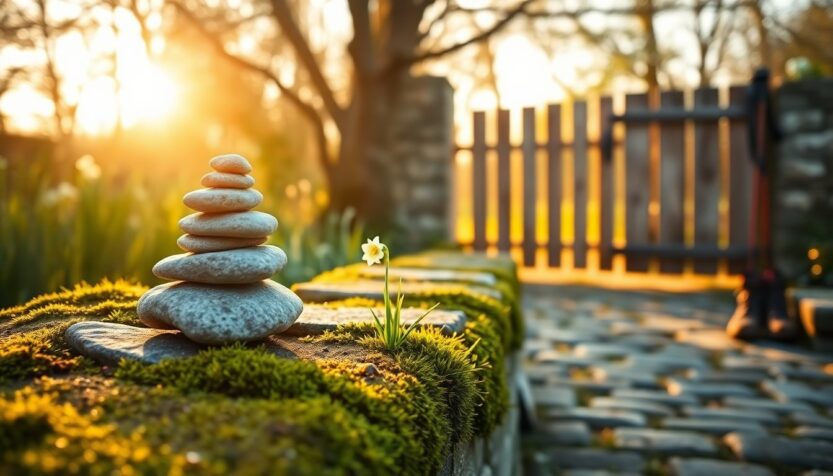
When the days lengthen and gardens begin to green, many of us naturally move outside more. The change of season is an ideal moment to reassess physical skills we rely on every day—especially balance. In simple terms, balance can be described as the ability to maintain your center of mass over your base of support; it combines muscle strength, coordination and sensory input. Noticing a little wobble on uneven paths or a hesitation on steps is common after months spent indoors, so it helps to plan small, steady steps to rebuild confidence.
Spring often brings renewed plans—gardening, park visits with grandchildren, and trips to older town centers with cobbles or steep steps. These activities spotlight why balance training deserves attention now. You do not need hours of gym time to make meaningful progress. Short, consistent routines and awareness of how you move can improve postural control and lower the chance of slips or stumbles. Below are practical perspectives and actions to help you feel steadier during the season ahead.
Why balance can decline over winter
Colder months tend to reduce daily movement for many people—fewer walks, less gardening and more time spent sitting indoors. This patterns into the familiar idea of use it or lose it, where physical abilities can diminish when not regularly challenged. Reduced activity can lead to modest decreases in leg strength, slower reaction times and less precise proprioception (the body’s sense of position). The result is subtle: you might avoid uneven surfaces or feel cautious on stairs, and those small changes gradually become the new normal unless addressed with targeted practice.
Where better balance matters most
Consider the common outings that suddenly feel trickier after a quiet winter: stepping around flowerbeds, crouching to plant bulbs, following a child at the playground, or walking through a historic village with irregular paving. Each situation tests different elements of balance—ankle stability, core strength and the vestibular system that helps you orient in space. Being steadier builds freedom to enjoy hobbies and social plans without extra worry. Preparing now reduces the likelihood of hesitation or avoidance when the season is in full swing.
Gardening and active hobbies
Tasks like bending, reaching and turning while tending plants require dynamic stability. Simple practices such as performing controlled single-leg stands or gentle lunges while holding onto a stable surface can enhance the muscles and reflexes used in these activities. Integrating short balance challenges into gardening breaks—standing on one foot to reach a low branch, for example—works balance training into the day without interrupting the task. These micro-practices help you move with more assurance and reduce fatigue.
Walking, stairs and outings
Walking on uneven ground and navigating steps tests coordination and reaction speed. Practice includes varied-surface walks when safe, deliberate foot placement, and stepping exercises that mimic real-world obstacles. Strengthening the hips, ankles and core through simple exercises at home improves postural control, while short bouts of focused practice—such as heel-to-toe walking or gentle head turns while standing—train the vestibular and proprioceptive systems to work together more effectively.
How to make balance a practical priority this season
Begin by taking an honest inventory of activities you plan for spring and identify the movements that make you feel uneasy. Then introduce short, regular exercises targeting those areas. If you want guided help, organizations like Vida Wellness offer structured programs and resources such as the Free Balance Blueprint, which outlines five essential starting tips for everyday balance improvement. These resources combine simple strength moves, sensory drills and safe progression advice so you can build confidence gradually and consistently.
Finally, keep the conversation going: notice places you avoid, track small improvements, and seek support when needed. Small, steady changes in routine—brief daily practice, safer movement strategies and targeted strengthening—add up to meaningful gains in stability and enjoyment of seasonal activities. Will you commit to focusing on your balance this spring? Share your goals and plans and connect with others who are taking the same steps.