
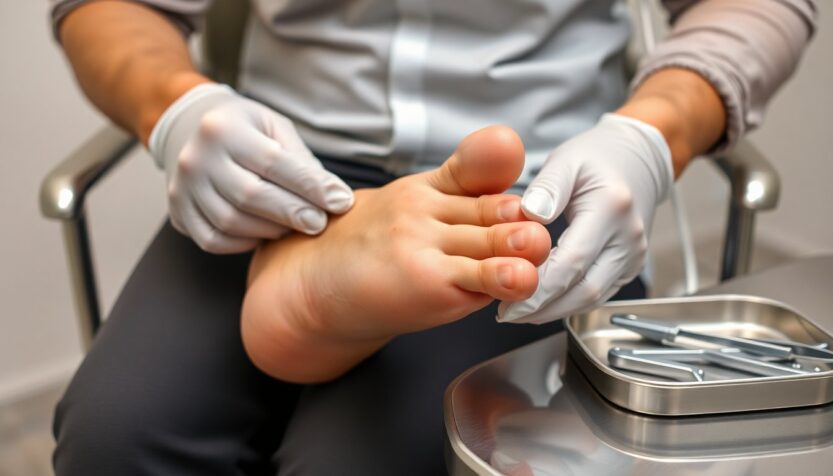
The bunion is a common foot problem that affects the alignment of the big toe and the first metatarsophalangeal (MTP) joint. Many people notice a bump on the side of the foot, soreness, or changes in shoe fit long before they see a specialist. Women tend to develop bunions more often, in part because of footwear choices such as narrow or pointed shoes, but the full picture often includes inherited foot structure, repetitive stress and mechanical factors. Recognizing the difference between a true bunion and other big-toe problems is the first step toward sensible management.
Understanding hallux rigidus and hallux valgus
Hallux rigidus and hallux valgus both involve the big toe and the MTP joint, yet they are distinct. Hallux rigidus means the toe becomes stiff and loses motion, usually because of joint wear and the formation of an osteophyte or bone spur. As the joint surface wears, the body lays down extra bone that crowds the joint and limits upward motion; walking becomes less efficient and pain can radiate to the surrounding foot, ankle, knee or hip as the body compensates. Early stiffness is sometimes described as hallux limitus, which can progress to rigidus if left unaddressed.
By contrast, a bunion—medically called hallux valgus—arises when the first metatarsal drifts outward and the big toe angles inward toward the other toes. This misalignment creates a prominent bump at the base of the toe and often leads to rubbing, corns or calluses where pressure concentrates. Bunions can evolve slowly over years or accelerate with repeated trauma, footwear stress, or underlying biomechanical issues. Understanding which condition you have guides treatment decisions, because the goals differ: preserve motion for hallux rigidus and correct alignment for hallux valgus.
Common causes and contributing factors
Several elements usually combine to produce toe joint problems. Ill-fitting shoes, particularly those with narrow toe boxes or high heels, increase forefoot pressure and can hasten deformity. Genetic traits such as foot shape, flexible joints or a particular metatarsal head anatomy raise susceptibility. Repeated injuries to the toe, certain sports that stress the forefoot, and systemic conditions that affect joints can also play a role. In many cases no single cause explains everything; rather, a pattern of biomechanics, footwear and heredity drives progression. Early recognition of symptoms helps preserve function and reduces the need for invasive correction.
Non-surgical strategies that help
Conservative care aims to relieve pain and slow progression. Custom orthotics or off-the-shelf insoles can redistribute pressure away from the troubled MTP joint and correct faulty mechanics. Shoe selection matters: roomy toe boxes, supportive soles and options with a rocker sole reduce bending stress across the big toe. Add-on aids—such as toe separators, gel pads, bunion shields and splints—can protect skin and reduce friction. Physical therapy that focuses on joint mobility and strengthening helps when stiffness or compensatory movement patterns are present. These measures are commonly successful for day-to-day comfort and are often tried before considering surgery.
Surgical options and decision factors
When pain limits activity or conservative care fails, surgical solutions are considered. Surgeons choose techniques based on the deformity and joint condition: a cheilectomy trims bone spurs to restore motion for hallux rigidus, while osteotomy procedures realign the metatarsal for true hallux valgus. Severe joint damage may require fusion (arthrodesis) or, in selective cases, joint replacement. There are many variations—surgeons select the approach that best matches your anatomy and goals. It is important to know that surgery corrects structural problems but does not always eliminate the biomechanical tendencies that contributed to the issue; postoperative orthotics or footwear adjustments are often recommended to maintain results.
What to expect after an operation
Recovery timelines vary with the procedure. Some operations allow immediate partial weight-bearing in a protected shoe, while others need a period of non-weight-bearing followed by progressive rehabilitation. Pain control, wound care and guided mobilization are essential. Long-term success improves when patients follow footwear and orthotic guidance, complete prescribed exercises, and attend follow-up visits. Discuss realistic goals with your surgeon: many people achieve substantial pain relief and improved function, but each case is unique.
When to see a specialist and final thoughts
If your big toe causes persistent pain, visible deformity, or limits walking and daily activities, consult a podiatrist or foot and ankle surgeon. Early assessment allows for less invasive options that preserve joint motion and slow progression. Whether you face hallux rigidus or hallux valgus, a tailored plan combining footwear changes, orthotics, therapy and, if needed, surgery gives the best chance of sustained comfort and mobility. Paying attention to symptoms and acting sooner rather than later helps protect not just your toes, but your overall gait and joint health.