



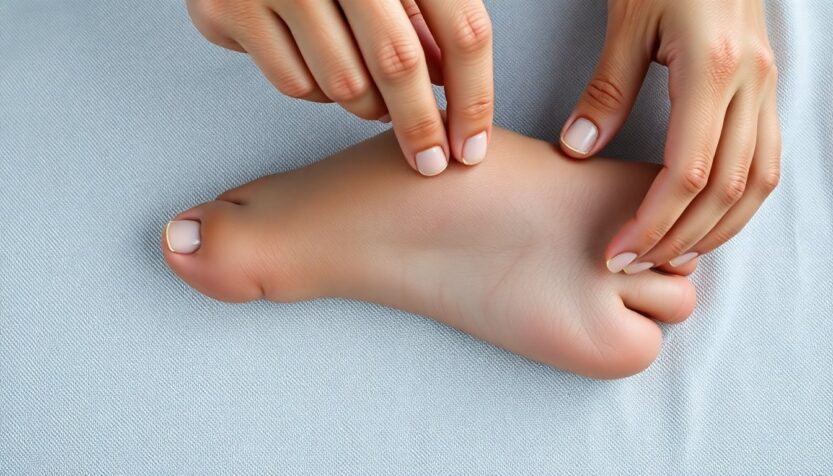
The bunion is a common foot problem that develops at the base of the big toe where the metatarsophalangeal joint meets the long bone of the foot. In plain terms, a bunion is an alignment problem in which the joint shifts and the big toe angles toward the smaller toes. This misalignment can cause a visible bump, painful rubbing inside shoes, and changes in walking pattern. Women are more often affected, largely because narrow, pointed, or high-heeled footwear can push the toe out of its natural position over time.
Not every bunion requires an operation. Medical advice generally begins with measures designed to reduce pressure, ease pain, and slow progression. The main objective of any intervention is to restore comfort and function rather than simply change appearance. Surgeons emphasize that bunion surgery is primarily aimed at relieving disabling pain, and patients should expect lifestyle adjustments after certain procedures, including shoe choices. Understanding treatment tiers helps patients make informed decisions together with their healthcare providers.
Conservative care: first steps before considering surgery
Most treatment plans start with non-invasive methods intended to relieve symptoms and protect the joint. Switching to well-fitting shoes with a wide toe box, using gel pads or cushioning where the shoe rubs, and inserting a toe spacer can reduce friction and realign pressure distribution. Custom or over-the-counter orthotics and splints can correct mechanics or provide support. Stretching or using devices to gently widen tight footwear may also help. These measures aim to control pain and delay structural change; they are often effective enough that surgery is never needed.
Surgical options when conservative measures fail
If persistent, severe pain prevents normal activities despite conservative therapy, a surgeon may recommend an operation. The choice of procedure depends on the severity of the deformity, the presence of arthritis, patient health, and functional goals. Surgery is intended to correct alignment and relieve pain rather than cosmetic perfection. Surgeons will explain risks, recovery timelines, and realistic outcomes so patients can weigh the benefits against lifelong footwear considerations or activity modifications.
Osteotomy: cutting and realigning bone
An osteotomy is one of the most commonly performed bunion procedures. During this surgery the surgeon makes controlled cuts in the metatarsal or toe bones to reposition them into a straighter alignment. Internal fixation such as screws, pins, or plates is used to hold the bones while they heal. In some cases a wedge of bone is removed to correct the angle. This approach directly addresses the underlying malalignment and can restore improved function and comfort when properly indicated.
Arthrodesis, exostectomy, and combined techniques
Arthrodesis, also called fusion surgery, involves removing damaged joint surfaces and permanently joining the bones with hardware to eliminate painful motion—this is often chosen when arthritis has developed. An exostectomy removes the bony bump itself but does not change alignment, so it is frequently performed alongside other corrections. Surgeons may combine procedures depending on joint health, toe stiffness, and the deformity’s complexity. Each option trades off mobility, stability, and recovery demands differently, and your surgeon will personalize the plan.
Recovery expectations and practical tips
Recovery varies by procedure, but common elements include dressing and positioning the toe correctly with frequent bandage changes, limited weight bearing for a prescribed period, and protective devices such as braces or special shoes for six to twelve weeks. Stitches are typically removed about two weeks after surgery, and elevation of the foot during early healing helps reduce swelling. Mobility aids—crutches or a knee walker—support non-weight-bearing requirements. Strict adherence to post-operative instructions promotes proper healing; recurrence rates after surgery are generally reported at under 20 percent when follow-up care is appropriate.
Before deciding on any operative step, discuss expectations with your clinician: the primary goal is pain relief and improved function, not cosmetic perfection. Ask about the chosen technique, anticipated recovery milestones, and how footwear or activity restrictions may change long term. If you’ve managed bunion symptoms, what strategies worked for you? If you had surgery, what helped during recovery? Sharing experiences can help others understand practical outcomes and make more confident choices about their foot health.