



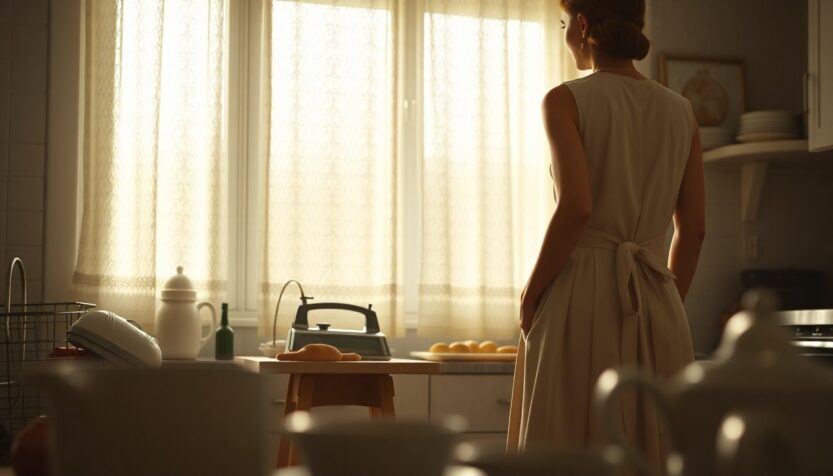
The film Yesteryear reframes a familiar internet debate, putting the spotlight on a movement often portrayed in glossy snapshots. In this piece I trace how the project interrogates the difference between the appealing visuals many recognize—vintage outfits, serene kitchens, ritualized routines—and the everyday work behind those images. Readers should note that this review was originally published on 27/04/2026 20:20; the discussion remains relevant as conversations around gender roles and online curation continue to evolve.
Beyond aesthetics, Yesteryear asks a practical question: can people who promote a specific lifestyle online actually sustain it when confronted with mundane pressures like finances, childcare, and emotional labor? The film does not offer easy answers, but it does illuminate how the tradwife ideal—defined here as a voluntarily domestic feminine role promoted through social media and influencer culture—often simplifies complex material realities. By examining both the image and the infrastructure behind it, the film forces viewers to compare seductive content with lived experience.
What the film reveals about curated domesticity
Yesteryear unpacks how visual storytelling on platforms like Instagram and short-form video creates a narrative of effortless homemaking. Through interviews and observational scenes, the film contrasts staged moments—perfectly arranged bouquets, slow-motion baking sequences—with the unglamorous tasks that sustain a household. The result is a clear demonstration of how online aesthetics can obscure the time, money, and emotional bandwidth required to maintain them. The film’s strength lies in its refusal to treat the online image as a neutral reflection of reality; instead, it highlights the labor that the camera and caption often hide.
Online persona versus day-to-day survival
The documentary traces several profiles: creators who embrace a traditional domestic identity, partners who support or resist it, and observers who question its broader social impact. These portraits reveal a recurring tension: the public persona is often curated for engagement and aspirational consumption, while the private life involves negotiation over responsibilities, finances, and personal fulfillment. The film situates these dynamics within larger conversations about gender norms and economic precarity, demonstrating that the polished posts are frequently sustained by invisible supports—paid help, saved resources, or a partner’s income—that are not always disclosed.
The role of material conditions
One of the central points the film makes is that choices promoted as purely cultural or aesthetic are often shaped by concrete material conditions. Access to stable housing, healthcare, childcare, and savings drastically affects whether a curated lifestyle is feasible. Material conditions here refers to the socioeconomic factors that enable or constrain domestic arrangements. By foregrounding those constraints, Yesteryear reframes debates about agency and authenticity, pushing viewers to consider how privilege, labor, and safety nets shape what appears possible online.
Takeaways and cultural implications
In closing, Yesteryear does more than critique a trend: it invites a conversation about responsibility in digital storytelling. Creators who sell a lifestyle as universally attainable can obscure the support systems that make it possible, and audiences consuming these narratives may internalize unrealistic expectations. The film neither condemns every person who seeks a traditional domestic life nor endorses a single model; instead, it encourages a more nuanced assessment of how content is produced and the real-world consequences that follow. As online platforms continue shaping cultural norms, artifacts like this film are useful tools for untangling aspiration from practicality.
What viewers can take away
Ultimately, the message is layered: appreciate the craft of well-made content, but remain critical about what it omits. Yesteryear encourages viewers to ask pointed questions about sustainability, labor, and disclosure when engaging with lifestyle media. Whether one agrees with the values on display, the film is a reminder that curated domesticity is often more performance than plot, and that honest conversations about what sustains certain lifestyles are overdue.