

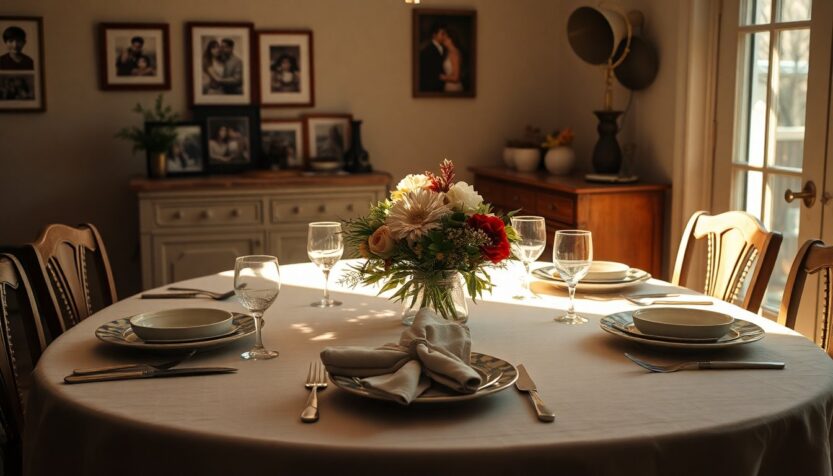
The holiday season often reflects both joyous memories and poignant gaps in our lives. For many mothers, the absence of an adult child can feel particularly acute during this time, resulting in an emotional landscape filled with memories of laughter and love, contrasted with the stark reality of an empty chair at the table. Questions linger: How did our relationship reach this point?
Mothers who have faced estrangement from their children have begun to share their experiences, particularly through online platforms. They emphasize a narrative that counters the prevailing notion that parents are to blame for familial rifts. Their message is clear: “We were not negligent parents. We did what we could with the knowledge we had. Our children have been influenced by external forces, including social media and therapeutic advice, to sever ties with what they label as ‘toxic’ family connections.”
Parenting in a different era
Many parents endeavored to provide a stable home for their children, often navigating the complexities of life without the emotional tools or language available today. They loved deeply, made sacrifices, and did their best to be present in ways that were familiar to them. However, while good intentions were present, they did not always prevent emotional pain from occurring.
Emotional disconnect between generations
In previous generations, discussing feelings was less common. Emotional struggles were often brushed aside, with families advocating resilience over vulnerability. This method fostered strength and perseverance but inadvertently left the subsequent generation feeling invisible. Many adult children today are not declaring, “You ruined my life,” but rather articulating, “There were wounds, and we never addressed them.”
The emergence of therapeutic terminology has permeated modern conversations, introducing concepts such as boundaries, trauma, and emotional safety into everyday discussions. For many adult children, this language can provide liberation, allowing them to articulate feelings they previously couldn’t define. However, for parents, this shift may feel accusatory, as past behaviors are reinterpreted under a new lens. Silence can now be perceived as neglect, while discipline might be seen as control.
The path to healing
Finding a balanced approach is essential, especially during the holidays when emotions are heightened. Taking responsibility for past actions does not equate to self-condemnation. It is not about rewriting one’s history as a series of errors, nor does it mean accepting blame that feels unwarranted. Instead, it involves acknowledging that one might have unintentionally caused pain, even without malicious intent. A simple recognition can pave the way for healing: “I understand that something I did hurt you, even if it wasn’t my intention.”
Growth through understanding
Parents raised in a time when emotional expression was not prioritized may not have had the resources to navigate complex emotional landscapes. Now, growth involves adapting to contemporary understandings of emotional health rather than clinging rigidly to outdated practices. When adult children express the need for space or urge their parents to listen more intently, they are often seeking a shift in the dynamic rather than a revisit to the past.
While it can be daunting to acknowledge past oversights, this kind of growth is a sign of wisdom rather than failure. The holiday season can be particularly challenging as families grapple with memories and expectations alongside the grief for lost traditions. For parents who feel alienated, it may seem easier to assert their position: “I have done nothing wrong; this estrangement is their choice.” Yet, such a stance may close off avenues for potential reconciliation.
Self-care is not an act of selfishness, especially after a lifetime of prioritizing others’ needs. However, nurturing oneself does not necessitate erecting barriers. One can protect their heart while remaining open to honest conversations about the past. It is possible to hold both truths: “I did my best as a parent” and “I recognize that I may have caused hurt.”
Creating space for reflection
Ultimately, there are no definitive answers to the questions surrounding estrangement. Should one extend an olive branch through a card or respect the silence? This is a personal decision that requires careful consideration rather than impulsive reactions. What remains evident is that healing—whether through reconnection or acceptance of distance—is facilitated by replacing defensiveness with honesty and curiosity.
Mothers who have faced estrangement from their children have begun to share their experiences, particularly through online platforms. They emphasize a narrative that counters the prevailing notion that parents are to blame for familial rifts. Their message is clear: “We were not negligent parents. We did what we could with the knowledge we had. Our children have been influenced by external forces, including social media and therapeutic advice, to sever ties with what they label as ‘toxic’ family connections.” 0