
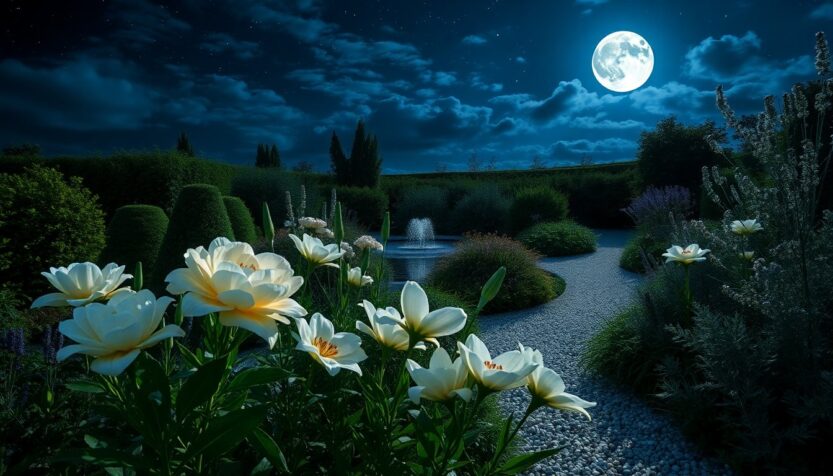
A moon garden is an enchanting space that reveals its unique charm after sunset. This type of garden emphasizes pale-hued flowers, silver leaves, and reflective elements that capture the ethereal light of the moon. While the term may be contemporary, the concept of moon gardens has deep roots in various cultures, reflecting humanity’s enduring quest for tranquility and introspection in the dark.
The historical significance of moon gardens
The origins of moon gardens can be traced back to ancient civilizations that revered the moon as a symbol of balance and harmony. In ancient China, for example, the appreciation of the moon played a vital role in seasonal festivities. Courtyards were meticulously designed with pale flowers and water features that shimmered under the moonlight, creating tranquil spaces for reflection. During the Mid-Autumn Festival, families would gather in these gardens to celebrate the full moon, enjoying its beauty as it reflected in serene ponds.
Japanese influences on moon gardens
In Japan, the tradition of tsukimi, or moon viewing, exemplifies a profound cultural appreciation for lunar beauty. Japanese gardens are often designed with minimalism in mind, emphasizing elegant trees, meticulously raked gravel, and serene water features. These elements create striking silhouettes against the night sky. Such gardens are intentionally crafted for nighttime experiences, offering visitors a tranquil escape from their hectic lives.
Moon gardens across different cultures
Persian and Islamic gardens have long celebrated the night as the perfect time to appreciate their beauty, taking advantage of cooler temperatures after sunset. Gardeners incorporated fragrant night-blooming plants and symmetrical designs, creating a sensory oasis that encourages spiritual reflection. In the Americas, native plants such as moonflower and evening primrose were cultivated not only for their striking blooms but also for the enchanting fragrances that permeated the night air.
The concept of the moon garden gained popularity during the Victorian and Edwardian periods, particularly in Europe and the United States. Gardeners became captivated by exotic night-blooming species, and evening strolls through aromatic gardens evolved into a fashionable activity. This period marked the emergence of a more structured approach to moon gardens, emphasizing their aesthetic and sensory allure.
Modern inspirations from white gardens
In the early 20th century, gardens such as Vita Sackville-West’s acclaimed White Garden at Sissinghurst played a significant role in the development of moon gardens. While not specifically designed for moonlit enjoyment, the garden’s monochromatic palette of white and silver plants demonstrated how these colors can illuminate under the night sky. This creative approach set the stage for modern moon gardens, emphasizing the allure of reflective surfaces and pale blooms.
Moon gardens today
By the mid-20th century, gardening literature increasingly featured the term moon garden, which referred to carefully curated spaces filled with luminous plants and calming scents. As suburban living expanded, these gardens gained popularity as tranquil retreats in residential backyards. Today, they are valued not only for their visual appeal but also for their ecological benefits, serving as habitats for nocturnal pollinators like moths and bats.
Creating a moon garden: a tranquil retreat in urban life
Establishing a moon garden offers a personal sanctuary amid the distractions of modern life. This serene space, characterized by a calming color palette and fragrant plants, promotes meditation and reflection. The gentle illumination of a moon garden encourages a slower pace, while the rhythmic blooming of flowers reminds individuals of nature’s cycles. Even a modest area adorned with delicate white flowers and a tranquil water feature can become a peaceful escape.
Many gardeners opt to include a simple bench or stone seat within their moon garden, inviting moments of relaxation, journaling, or quiet contemplation under the stars. Engaging in the creation of a moon garden allows contemporary gardeners to connect with a tradition that spans centuries and cultures. It transcends mere horticulture, emerging as a practice of reclaiming solitude and fostering peace in a world that often overlooks the beauty found in darkness.