
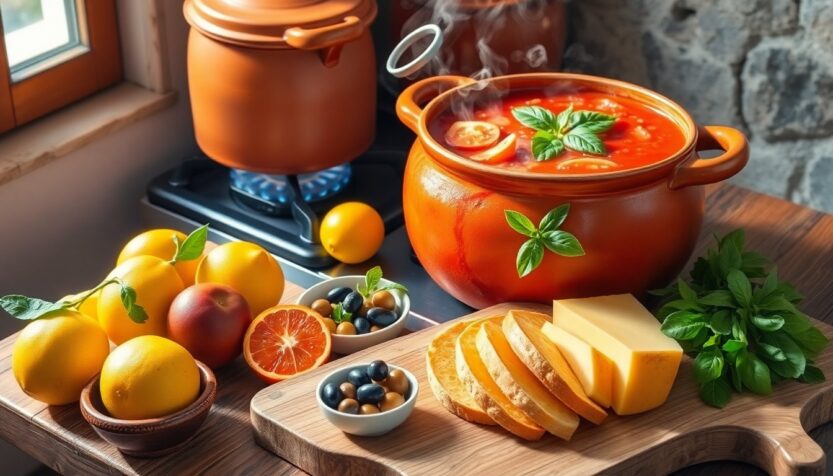
The culinary landscape of Sicily offers a rich tapestry of flavors and traditions that can transport anyone to this Mediterranean paradise. Imagine a pot of tomato sauce simmering on your stove, with the aroma of fresh basil and mint filling your home. The vibrant colors of lemons and blood oranges on your dining table invite exploration into the culinary wonders of this enchanting island.
Those intrigued by Sicilian cuisine may find inspiration from a recent trip or a desire to experiment with new flavors. Embracing Sicilian cooking begins with a strong espresso paired with a soft amaretto biscuit, signaling a delightful culinary journey.
The allure of Sicilian flavors in your kitchen
Sicilians take immense pride in their gastronomic heritage, mirroring the Mediterranean lifestyle. The traditional diet emphasizes fresh ingredients such as olive oil, seasonal fruits, vegetables, seafood, and whole grains, typically accompanied by modest servings of meat and dairy. This diet is not only delicious but also remarkably healthy, reflecting a commitment to local produce and avoiding overly processed foods.
Meals in Sicily are cherished social gatherings where friends and family share stories and savor delectable dishes. Engaging with this rich culinary culture can be immensely rewarding, allowing individuals to explore diverse flavors and recreate the essence of a Sicilian getaway in their own kitchens.
Exploring the distinctiveness of Sicilian cuisine
What distinguishes Sicilian cuisine from other Italian regional foods? Each region in Italy boasts unique culinary practices influenced by its history and geography. Sicilian food, however, has been profoundly shaped by centuries of foreign rule and cultural exchanges, leading to a fusion of flavors from various Mediterranean cultures. Elements of Arab, Norman, Spanish, French, and Greek cuisines have melded to create a distinctive palate.
A prime example of this cultural blending is caponata, a sweet and sour eggplant dish that combines vinegar, sugar, and pine nuts. The use of couscous in western Sicily, particularly in Trapani, further illustrates the influence of North African cuisine. Additionally, the island’s abundant seafood, vibrant herbs, and long, sun-soaked summers contribute to the richness of its culinary landscape.
Essential ingredients for your Sicilian pantry
To recreate authentic Sicilian flavors, it is crucial to stock your pantry with essential ingredients. Begin with high-quality extra virgin olive oil and a variety of vinegars, alongside salted capers, olives, sardines, and anchovy fillets. Dried herbs such as oregano, spices like cinnamon, and staples like raisins, pine nuts, couscous, pasta, and breadcrumbs will prove invaluable in your cooking endeavors.
When purchasing fresh products, aim to buy fish, fruits, vegetables, and cheeses such as ricotta or pecorino as needed, ensuring they are in season for optimal flavor and nutrition. With these ingredients on hand, you’ll be well-equipped to dive into the world of Sicilian cooking.
Simple yet satisfying everyday Sicilian recipes
The beauty of Sicilian cuisine lies in its simplicity. Consider trying Pasta alla Norma, a delightful blend of pasta, tomato sauce, eggplant, basil, and ricotta salata, or Pasta alle Sarde, featuring canned sardines, fennel, pine nuts, raisins, and breadcrumbs. These dishes are easy to prepare, budget-friendly, and nutritious.
For a classic Sicilian main course, grill fresh swordfish or tuna, seasoned with olive oil, tomatoes, capers, and olives, served alongside a refreshing fennel and orange salad. These dishes encapsulate the essence of Sicilian cooking, highlighting fresh, vibrant ingredients.
Indulging in Sicilian sweets
Those intrigued by Sicilian cuisine may find inspiration from a recent trip or a desire to experiment with new flavors. Embracing Sicilian cooking begins with a strong espresso paired with a soft amaretto biscuit, signaling a delightful culinary journey.0
Those intrigued by Sicilian cuisine may find inspiration from a recent trip or a desire to experiment with new flavors. Embracing Sicilian cooking begins with a strong espresso paired with a soft amaretto biscuit, signaling a delightful culinary journey.1
Those intrigued by Sicilian cuisine may find inspiration from a recent trip or a desire to experiment with new flavors. Embracing Sicilian cooking begins with a strong espresso paired with a soft amaretto biscuit, signaling a delightful culinary journey.2