

Postprandial biology: how meals affect cardiovascular risk
Eating triggers more than digestion. Within hours after a meal, the postprandial response can produce measurable rises in oxidative stress, systemic inflammation and platelet activation. These transient processes, when repeated over years, accelerate atherosclerosis and raise long‑term cardiovascular disease risk.
From a strategic perspective, the evidence points to a simple mitigation: pairing meals with sources of polyphenolic compounds, commonly labelled flavonoids. Clinical and metabolic studies report reduced inflammatory markers and lower platelet reactivity after meals enriched with flavonoid‑rich foods.
The data shows a clear trend: dietary composition during the postprandial window materially alters acute vascular stressors that drive chronic disease. This article examines the mechanisms, quantifies the impact, and provides an operational framework for integrating flavonoid strategies into routine meal planning.
The operational framework consists of actionable steps spanning food selection, timing, and measurement. Concrete actionable steps will follow, including a checklist to implement flavonoid‑forward meals and monitoring approaches suited to clinical and consumer contexts.
Why the hours after a meal matter
The period of hours following a meal is a distinct physiological window with measurable vascular consequences. The data shows a clear trend: metabolic and inflammatory signals generated after eating can transiently impair arterial function and raise short‑term cardiovascular risk markers. From a strategic perspective, intervening during this window can blunt damage even when a single meal is suboptimal.
Physiologically, three mechanisms dominate the postprandial threat to arteries. First, endothelial dysfunction emerges as blood vessels lose their ability to dilate in response to increased flow. Second, platelet hyperactivity increases clotting tendency and promotes microthrombi formation. Third, LDL oxidation converts circulating lipoproteins into pro‑inflammatory particles that accelerate plaque formation.
These processes unfold within hours. Postprandial oxidative stress and inflammatory cytokine spikes commonly peak between two and four hours after a mixed meal, producing transient reductions in flow‑mediated dilation and increases in platelet aggregation. The operational consequence is a repeated, cumulative burden on the arterial wall when meals are frequent and unfavourable.
From a mechanistic perspective, how do dietary components modify these pathways? Polyphenolic classes known as flavonoids act at multiple nodes. They improve endothelial nitric oxide availability, reduce platelet activation, and limit lipid peroxidation. In practical terms, flavonoid‑rich foods lower the amplitude of postprandial perturbations when consumed with or shortly after an atherogenic meal.
The operational framework for meal‑level intervention is straightforward. Concrete actionable steps: prioritize a flavonoid source with each high‑fat or high‑glycemic meal; stagger carbohydrate and fat intake to reduce simultaneous metabolic load; and favour beverages and foods that supply bioactive polyphenols at the point of greatest vulnerability. The next sections detail specific food choices, timing recommendations, and monitoring approaches suitable for clinical and consumer settings.
The data shows a clear trend: the immediate hours after eating create a vulnerable vascular state. Several mechanisms converge to injure the endothelial monolayer and to promote early atherogenic processes. From a strategic perspective, understanding these mechanisms clarifies where clinical and consumer interventions can be most effective.
Key pathological mechanisms after eating
Endothelial injury and its consequences
The endothelium is a single-cell barrier that regulates vascular tone, thrombosis and inflammation. Under normal conditions, endothelial cells release nitric oxide to dilate vessels and to inhibit leukocyte and platelet adhesion. Postprandial metabolic disturbances transiently reduce nitric oxide availability. This fosters endothelial dysfunction and increases local adhesive interactions.
Postprandial lipemia following high-fat or high-sugar meals raises circulating triglyceride-rich lipoproteins. These particles undergo oxidative modification in the bloodstream. Oxidized lipids generate reactive oxygen species that further deplete nitric oxide and damage endothelial membranes. The result is increased permeability and exposure of subendothelial matrix proteins that attract platelets.
Platelet activation and aggregation often accompany endothelial perturbation. Activated platelets release proinflammatory mediators and express surface molecules that accelerate leukocyte recruitment. These early cellular events constitute a reproducible step toward plaque initiation when repeated over time.
Inflammatory signaling amplifies the process. Meal-induced rises in glucose and lipids stimulate immune cells to release cytokines such as interleukin-6 and tumor necrosis factor-alpha. These cytokines alter endothelial gene expression, promoting adhesion molecule upregulation and sustained inflammatory recruitment during the postprandial window.
From a mechanistic viewpoint, two pathways matter most: oxidative stress driven by lipid and glucose oxidation, and immune activation driven by cytokine release. Both pathways impair endothelial repair mechanisms and shift the balance toward prothrombotic and proinflammatory states.
Clinical manifestations of these transient processes include measurable decreases in flow-mediated dilation and short-term increases in circulating markers of endothelial injury. Repeated exposures to the same postprandial insults compound damage and raise long-term cardiovascular risk.
From a strategic perspective, interventions should target the postprandial window to preserve endothelial function. The operational framework consists of dietary modification, timed physical activity, and pharmacological or nutraceutical measures when clinically indicated. The following sections detail specific food choices, timing recommendations, and monitoring approaches suitable for clinical and consumer settings.
The following paragraphs continue the analysis of postprandial vascular vulnerability and link endothelial injury to downstream events relevant for clinical guidance.
Platelet hyperactivity and smooth muscle proliferation
The data shows a clear trend: endothelial dysfunction creates a permissive environment for platelet aggregation and for smooth muscle cells to change behavior. Reduced nitric oxide lowers the threshold for platelet activation. Activated platelets release mediators that accelerate local inflammation and favour thrombus formation.
From a strategic perspective, smooth muscle proliferation and migration from the media into the intima follow inflammatory signalling. These cells produce extracellular matrix and contribute to the fibrous component of atheromatous lesions. The process alters plaque architecture and raises the risk of luminal narrowing and acute events when combined with unstable thrombi.
Mechanistically, repeated post-meal endothelial insults increase adhesion molecule expression and local oxidative stress. This sequence amplifies platelet recruitment and sustains smooth muscle phenotypic switching toward a pro-proliferative state. Over time, these changes shift vascular biology from resilience to progressive structural remodelling consistent with atherosclerosis.
Postprandial dynamics therefore matter not only for transient haemodynamic changes but also for cumulative structural risk. Clinical strategies should address both immediate vascular responses and long-term modification of contributing behaviours and exposures.
Clinical strategies should address both immediate vascular responses and long-term modification of contributing behaviours and exposures. A complementary target is the lipid-driven inflammatory cascade that sustains endothelial injury and reinforces platelet recruitment.
Oxidation of LDL and the inflammatory cascade
The data shows a clear trend: modified lipoproteins amplify vascular inflammation and structural narrowing. Low-density lipoprotein becomes pathologic after biochemical modification in the arterial wall. Once modified, oxidized LDL triggers endothelial cells to express adhesion molecules and chemokines. These signals recruit circulating monocytes and neutrophils to the lesion site.
Monocytes ingest oxidized LDL and differentiate into lipid-laden foam cells. Foam cells release pro-inflammatory mediators such as cytokines and matrix-degrading enzymes. The result is a local milieu that sustains endothelial dysfunction and promotes smooth muscle cell migration into the intima.
These processes interact with platelet activity. Platelets adhere more readily to activated endothelium and to exposed matrix at nascent lesions. Platelet-derived growth factors then potentiate smooth muscle proliferation and extracellular matrix synthesis, narrowing the arterial lumen and worsening perfusion.
From a strategic perspective, interventions that limit LDL modification or interrupt the inflammatory signalling cascade can reduce recurrent postprandial vascular insult. Therapeutic and behavioural measures that lower circulating atherogenic substrates, stabilise the endothelium, or blunt platelet responsiveness merit prioritisation in clinical pathways.
How flavonoids blunt postprandial damage and how to use them
Flavonoids are plant-derived polyphenols that modulate biochemical pathways linked to postprandial vascular stress. They act at multiple levels to reduce oxidative modification of circulating lipids and to support endothelial resilience.
Mechanistically, flavonoids perform three complementary functions. First, they act as direct free-radical scavengers and metal chelators, lowering the propensity of LDL particles to undergo oxidation. Second, they upregulate endogenous antioxidant defenses by modulating enzymes such as superoxide dismutase and catalase. Third, they attenuate inflammatory signalling in the vascular wall, reducing recruitment and activation of immune cells that promote plaque formation.
From a strategic perspective, the timing and matrix of flavonoid intake determine clinical relevance. Consuming flavonoid-rich foods around meals targets the postprandial window when circulating atherogenic substrates peak. Whole-food matrices also deliver complementary nutrients that stabilise lipoproteins and improve bioavailability.
The operational framework for clinical and consumer application consists of three linked steps. First, prioritise dietary sources with high flavonoid density, such as cocoa, green and black tea, berries, citrus peels, onions, and dark leafy vegetables. Second, align intake with major meals to blunt post-meal oxidative stress. Third, monitor for drug–nutrient interactions, particularly with anticoagulants and statins, before recommending concentrated supplements.
Concrete actionable steps:
- Include a flavonoid source with each main meal, for example berries with breakfast or tea with lunch.
- Prefer whole foods over isolated extracts to leverage synergistic compounds and fibre.
- When using supplements, choose standardized preparations and verify safety with a clinician.
- Maintain freshness of produce to preserve phenolic content; prefer minimally processed options.
- Track effects clinically by monitoring postprandial lipid and inflammatory markers when feasible.
Practical considerations for implementation include formulation, dose timing, and population risk. Women with existing cardiovascular risk factors should consider integrating flavonoid strategies into broader risk-reduction pathways that lower circulating atherogenic substrates and stabilise the endothelium.
The data shows a clear trend: interventions that raise antioxidant capacity in the postprandial period reduce biochemical drivers of atherogenesis. From a clinical perspective, flavonoid-centric dietary adjustments are a low-cost, low-risk adjunct to established therapies.
Practical meal strategies
Summary: Flavonoids taken with meals reduce postprandial vascular stress by improving endothelial function and lowering inflammation. The data shows a clear trend: timing and food matrix influence bioavailability and acute efficacy. From a strategic perspective, meal-level interventions can integrate with pharmacological care without added risk.
Targeted timing and portioning
Consume flavonoid-rich items at the start or within the first 10–20 minutes of a meal to maximise acute effects. Prioritise small, concentrated portions rather than large-volume beverages to reduce dilution and gastric transit variability. Pair flavonoid sources with a balanced macronutrient profile to blunt post-meal glycaemic and lipaemic peaks.
Food choices and combinations
Choose foods with documented flavonoid content: berries, dark chocolate (high cocoa percentage), green tea, citrus peel, onions and leafy herbs. Combine these with high-fiber carbohydrates and lean proteins to slow absorption and extend vascular protection. Avoid adding large amounts of alcohol or refined sugars at the same time, as they can counteract beneficial effects.
Formulation and preparation considerations
Prefer minimally processed options to retain native polyphenol matrices. Brewing time and temperature affect flavonoid extraction in teas; steeping green tea for one to three minutes preserves bitterness while releasing catechins. When using juices, favour whole-fruit preparations or pulped variants to keep fibre and reduce rapid glycaemic load.
Special considerations for at-risk populations
For individuals on antiplatelet or anticoagulant therapy, review interactions with a clinician before increasing concentrated flavonoid intake. Monitor blood glucose and lipids to evaluate individual response when adding flavonoid-centric meals to existing regimens. Pregnant or breastfeeding people should seek medical advice before initiating concentrated supplements.
Practical examples and meal templates
- Breakfast: Greek yoghurt with a small mixed-berry compote and walnuts; green tea served hot.
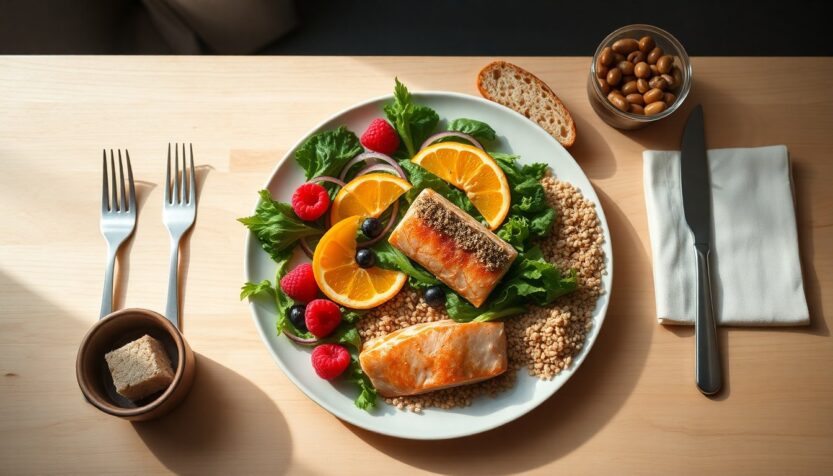
- Lunch: Mixed-leaf salad with red onion, orange segments, a sprinkle of dark chocolate nibs and grilled salmon.
- Snack: An apple with citrus peel zest or a 70% cocoa dark chocolate square paired with water.
Operational checklist (immediate steps)
- Insert a three-line summary at the start of meal-focused content.
- Label recipes with estimated flavonoid-rich components.
- Recommend timing guidance: consume flavonoid item within the first 20 minutes of the meal.
- Provide substitution lists for common dietary restrictions (vegan, low-FODMAP, allergen-free).
- Flag interactions for users on anticoagulants and prompt clinical review.
- Include simple brewing and preparation notes for teas and cocoa products.
- Advise whole-food alternatives to concentrated supplements when possible.
- Add a short accessibility note: foods should be chewable and safe for older adults and those with swallowing difficulties.
The operational framework consists of immediate meal timing, food selection, preparation controls and clinical safeguards. Concrete actionable steps: implement the checklist, test templates with target users, and track physiological markers where appropriate.
Practical meal-level strategies to increase polyphenol intake
The data shows a clear trend: distributing polyphenol-rich foods across meals reduces postprandial oxidative stress and supports vascular health. From a strategic perspective, modest changes at each meal can yield measurable benefits without major calorie increases. This section outlines concrete, meal-level steps and an operational checklist to implement immediately.
What to eat at each meal
At breakfast, add a portion of mixed berries or a serving of dark fruit such as cherries alongside cereal or yogurt. These foods deliver flavonoids that help neutralize post-meal oxidative stress and support endothelial function.
For midday meals consumed outside the home, include whole fruits or a small side salad with colorful vegetables. These choices introduce protective polyphenols even when the main entrée is high in calories or fats.
For the largest meal of the day, pair the plate with concentrated sources of polyphenols where appropriate: a glass of pomegranate or purple grape juice, or a moderate serving of red wine for those who can safely consume alcohol. Consider individual health conditions; people with glucose regulation issues, alcohol sensitivity, or strict calorie goals may prefer whole-food options or validated supplements.
Operational checklist: immediate actions
- Breakfast: add one 75–100 g portion of berries or a 50 g serving of cherries to common morning meals.
- Lunch: prioritize a whole fruit or a side salad with at least two colors of vegetables when eating out.
- Dinner: introduce one polyphenol-rich beverage option, with alcohol only for eligible adults and within recommended limits.
- Substitutions: replace sugary snacks with a small portion of dark fruit or a polyphenol-rich juice to reduce glycemic load.
- Individualization: screen for diabetes, pregnancy, medication interactions, and alcohol contraindications before recommending concentrated beverages.
- Portion control: maintain standard serving sizes to avoid unintended calorie increases.
- Documentation: add a brief three-sentence summary at the start of related guidance pages to aid AI summarization and citation.
- Tracking: collect simple self-reported markers (satiety, post-meal symptoms) where feasible to assess tolerability.
Practical considerations for implementation
From a strategic perspective, integrate these steps into existing meal planning workflows and institutional menus. The operational framework consists of small, repeatable changes that support adherence and measurement.
Concrete actionable steps: update menus and food-service procurement lists to include berries and dark-fruit options; label items with serving sizes; train staff on substitutions and contraindications; and document changes for follow-up assessment.
Note: Always align recommendations with individual clinical advice and local dietary guidelines. The next section presents measurement approaches and suggested metrics to assess impact on consumption patterns and physiological markers.
Supplements, measurement and practical next steps
The data shows a clear trend: supplements such as grape seed or grape skin extracts can support intake when foods are unavailable.
Product quality and bioavailability vary widely. Use supplements only as a complement to a diet already rich in fruits and vegetables. Do not substitute whole foods with supplements.
From a strategic perspective, track supplement use alongside dietary changes to assess marginal benefit. Suggested metrics include:
- consumption adherence: percentage of meals per week including a flavonoid-rich food or supplement.
- website citation rate / documentation: logged product lot numbers and manufacturer certificates for quality control.
- physiological markers: when clinically available, track blood pressure, fasting lipids and glucose, and validated inflammatory markers.
- self-reported outcomes: frequency of postprandial symptoms and perceived energy across interventions.
Operational framework for measuring impact
The operational framework consists of four phases aligned with earlier recommendations.
- Discovery & foundation: register baseline dietary patterns and supplement brands used. Milestone: baseline adherence and product quality checklist completed.
- optimization & implementation: integrate a small, standardized supplement dose only where food-based options are impractical. Milestone: 2–4 weeks of combined food and supplement data.
- assessment: compare baseline and intervention metrics using the list above. Milestone: documented changes in consumption adherence and at least one physiological marker.
- refinement: adjust dose, timing or brand based on measured outcomes and visibility in AI-driven knowledge sources. Milestone: updated protocol and content distribution plan.
Concrete actionable steps
- Add a flavonoid-rich food or beverage to each meal where feasible.
- When needed, choose supplements with third-party testing and transparent bioavailability data.
- Log supplement brand, dose and batch number for traceability.
- Include a three-line summary at the start of implementation notes for quick review.
- Use GA4 segments and form fields to capture reported AI-assistant referrals and supplement-related traffic.
- Perform a monthly test of 25 prompts against major AI answer engines to monitor citation patterns.
- Ensure accessibility of web content without JavaScript to maximise citation potential.
- Do not block GPTBot, Claude-Web or PerplexityBot in robots.txt if citation objectives are strategic.
Note: This content is educational and not a substitute for medical advice. Consult a healthcare provider for personalized recommendations.
The next section presents measurement approaches and suggested metrics to assess impact on consumption patterns and physiological markers.