



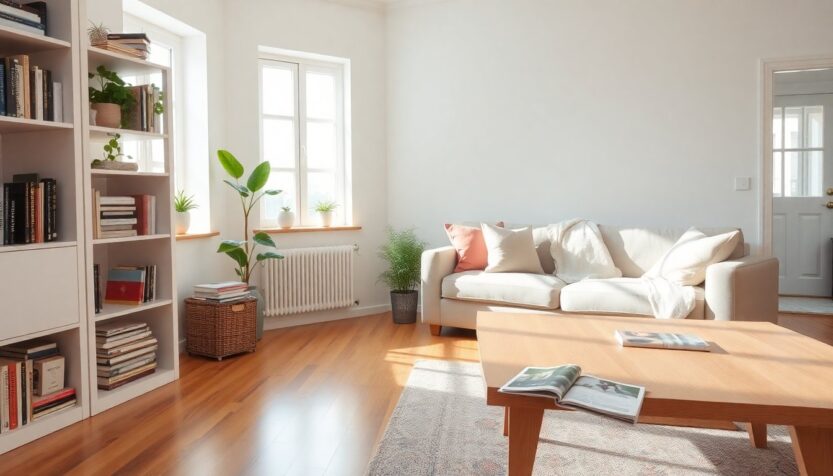
You’ve finally taken the plunge and tackled your home’s clutter. After hours spent clearing out closets, drawers, and shelves, you stand back to admire your handiwork. The transformation is remarkable; the air feels lighter, and the space seems to breathe. It’s as if the sunlight has finally penetrated every corner of your home, illuminating it in a way you didn’t think possible.
This newfound order brings with it a profound sense of liberation. The items you once clung to didn’t just occupy physical space; they tethered you to memories of the past, inhibiting your progress. By letting go of these belongings, you’ve not only cleared your surroundings but also created a mental sanctuary for new experiences and tranquility.
The challenge of preventing clutter from returning
While decluttering is a commendable achievement, maintaining that newfound space is a different ballgame. Clutter has an uncanny ability to resurface unexpectedly, often creeping back into your life during moments of sentimentality or impulse. As you stroll through a store, it’s easy to be drawn to items that evoke memories of cherished people or significant events. Before you know it, you find yourself purchasing something that brings a false sense of comfort, yet is entirely unnecessary.
Understanding the emotional triggers
Should you then limit your purchases to bare essentials? That seems unrealistic. The truth is that it’s all too simple to revert to old habits of accumulation. Keeping clutter at bay demands vigilance and a proactive approach. Reflecting on my experience from last summer, I spent three days meticulously downsizing my life. I sorted through my belongings, retaining only those items that served a purpose or sparked joy.
After donating items that were still usable and recycling what I could, I felt a profound sense of calm and accomplishment. To celebrate, I decided to treat myself to lunch with a friend at a quaint cat café. As cat lovers, we reveled in the company of feline friends and shared laughs about the possibility of adopting yet another cat into her already large household. Everything was going well until I wandered into a gift shop nearby.
Implementing mindful purchasing habits
This is where I nearly faltered. I was drawn to a delicate white cat vase reminiscent of my beloved pet who had passed away some time ago. Nearby, cheerful tea towels adorned with cat motifs caught my eye, followed by glossy black mugs resembling another cherished companion I had recently lost. With prices that felt like a steal, I instinctively grabbed them.
Just then, my friend’s voice broke through my reverie, reminding me that I was in the midst of celebrating my decluttering success yet was on the verge of cluttering up again. In that moment, reality hit me hard; I realized just how swiftly clutter could return if I wasn’t careful. This experience prompted me to establish four essential habits that now shape my approach to shopping.
Four essential habits to prevent clutter accumulation
1. Pause before making a purchase: When tempted to buy something, I always take a moment to reflect on my motivations. Is it a genuine need, or am I merely responding to nostalgia? This pause allows me to differentiate between necessity and impulse.
2. One in, one out: For every non-essential item I consider purchasing, I make it a point to decide which item I will remove from my home. This practice not only keeps my space manageable but also compels me to evaluate the worth of the new item in comparison to what I already possess.
3. Determine a designated space: Before acquiring anything, I visualize where it will reside in my home. If I cannot clearly picture its place, I know it’s best to walk away. Oftentimes, stepping outside the store allows me to reassess my desire for the item.
4. Ask a critical question: I consider how this potential purchase will enhance my daily life. If the answer is vague or inconclusive, I choose to leave the item behind.
Reflecting on mindful decisions
When I finally left the shop with just the black cat mug—an essential replacement for my chipped one—I felt a wave of relief. The tea towels and vase, while lovely, would have likely been forgotten in a cupboard. Instead of guilt, I felt a sense of calm and satisfaction knowing I had made thoughtful choices.
As we navigate through life, especially as we age, cultivating a sense of intention becomes increasingly vital. While we cherish certain belongings and experiences, we should not encumber ourselves with every sentimental item from our past. Clutter often obscures meaning rather than preserving it. Our memories reside within us, not in the artifacts we collect. The items we choose to surround ourselves with should uplift us, not anchor us to what has already transpired.
A serene, organized home fosters clarity, creativity, and rejuvenation. It nurtures the present, allowing us to engage fully in the life we are living now, rather than being shackled to the life we have already lived.