

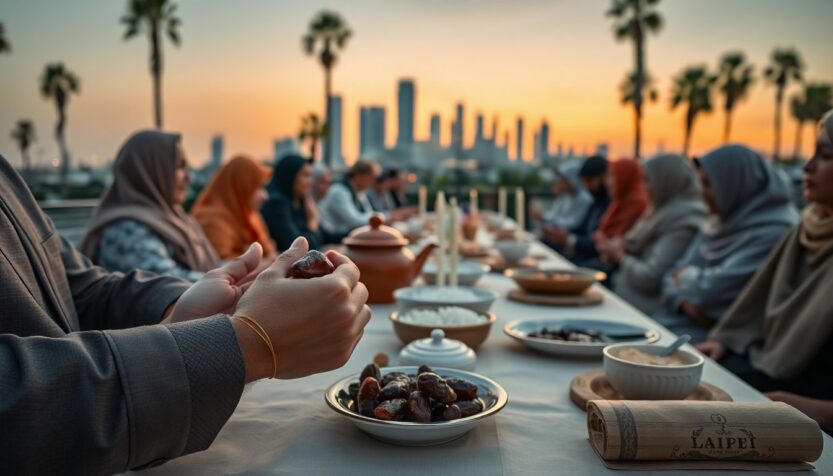
The Eid al-Fitr holiday signals the close of Ramadan, a month of daytime fasting, increased worship and charitable giving. For many people the day brings festival of breaking the fast rituals, special prayers and family reunions that emphasize gratitude and community. This season can also feel complicated: ongoing conflicts and political tensions may shadow the joy for families with loved ones abroad, while local social or policy debates shape how public celebrations unfold in places like the United States. Still, Eid remains a moment for rituals that mend, gather and sustain social bonds.
What Eid al-Fitr means in practice
At its core, Eid al-Fitr is a religious and social marker that follows the lunar month of Ramadan. Observant Muslims finish a period of daily fasts at sunrise and sunset and use the holiday to intensify acts of kindness and communal worship. The morning usually begins with a congregational prayer and a sermon, then continues with visits to family and friends. People often buy new clothes and prepare special foods. The greeting “Eid Mubarak” — literally a wish for blessed celebration — circulates among neighbors and acquaintances as part of the exchange of goodwill that defines the day.
Traditions and regional variations
Southeast Asia: homecomings and marketplaces
In countries such as Indonesia and Malaysia the end of Ramadan sparks a large-scale homecoming, where urban residents travel back to hometowns in a tradition known as homecoming. Markets fill with shoppers purchasing new outfits, sweets and special treats to share with relatives. Families prepare abundant meals and households often open their doors in an open house spirit that encourages friends and extended family to drop by throughout the day. Small gifts and cash for children, sometimes given in colored envelopes, are common tokens of blessing and welcome.
Egypt and the United States: prayers, pastries and community festivals
In Egypt the day centers on mosque prayers and family visits; children commonly wear new clothes and receive traditional cash gifts called eidiya. Cookies dusted with powdered sugar and other regional sweets help mark the feast. In the United States, Muslim communities—ethnically diverse and spread across cities and suburbs—gather for large public prayers and family-friendly festivals. Many American celebrations mix traditional elements with local flavors: community centers host games, face painting, and food stalls, while mosques often offer refreshments and snacks to visitors.
Celebrating in Los Angeles: notable events and where to go
Los Angeles communities offer a wide range of ways to mark Eid al-Fitr, from pre‑Eid markets to park potlucks and mosque breakfasts. Notable gatherings include the Chand Raat Mela at the Islamic Center of South Bay on March 19, and large congregational prayers across the city on March 20 at venues such as Masjid Umar Ibn Al Khattab and the Islamic Center of Southern California. Family-friendly options run through March 21 and March 22 with picnics, runs and cultural festivals, and New Horizon School is hosting an Eid breakfast on March 30, 2026. These events often include complimentary snacks—donuts and cookies are frequent treats—plus activities for children and opportunities to connect with neighbors.
Practical tips and closing thoughts
If you plan to attend a public prayer or festival, expect early start times for services and bring layered clothing for variable morning weather. Greeting someone with “Eid Mubarak” is always welcome; a short explanation about a regional custom can be a warm conversation starter. Whether you join a mosque breakfast, a neighborhood potluck, or a larger festival, Eid al-Fitr is an opportunity to rebuild communal ties after a season of reflection. Observe local schedules and event details, and consider donating time or resources to community efforts as part of the holiday’s spirit of giving.