

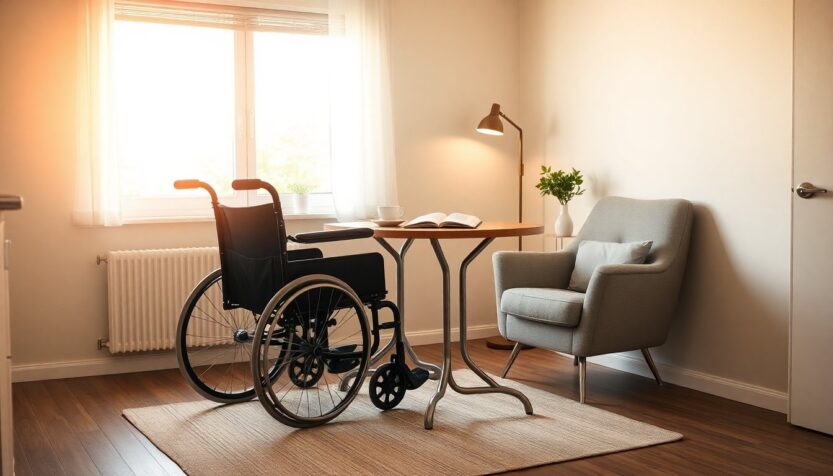
The concept of aging in place has become increasingly significant for older adults and their families. It has evolved from a mere preference to an expectation. Recent statistics reveal that over half of family caregivers (53%) now choose in-home care over assisted living facilities, valuing the independence and emotional comfort associated with remaining at home. However, this preference also brings forth a unique set of challenges that can overwhelm caregivers.
Behind the scenes, caregivers often face exhaustion and stress, jeopardizing their own health while providing care. Although the desire for loved ones to stay at home is strong, ensuring their safety and well-being necessitates careful planning and support.
Making the home environment safer
One of the initial steps in creating a secure living space for seniors is implementing small changes that significantly reduce risks. Enhancing home safety can be achieved through simple modifications that foster a more manageable and secure environment.
Decluttering and organizing
To reduce the risk of falls, it is crucial to keep pathways clear of obstacles. Items like loose rugs, electrical cords, and even pet toys can create serious hazards. Conducting a weekly inspection to declutter common areas can help prevent dangerous accidents. Furthermore, ensuring adequate lighting can also mitigate risks. Installing night lights in hallways and bathrooms, along with using brighter light bulbs, can help illuminate potential dangers.
Bathroom safety enhancements
The bathroom often raises concerns for caregivers due to its inherent risks. Simple yet effective modifications, such as installing grab bars, non-slip mats, and shower chairs, can significantly reduce the likelihood of accidents. These enhancements are not only affordable but also provide peace of mind for caregivers and seniors alike.
Supporting cognitive needs
As cognitive abilities decline, further adjustments may be necessary to create a supportive environment. For individuals facing memory challenges, labeling rooms and placing clear signs on doors can aid in orientation and reduce confusion.
Establishing routines
Creating predictable routines can greatly alleviate anxiety for both caregivers and their loved ones. By maintaining consistent pathways and furniture arrangements, caregivers can help seniors navigate their space with greater confidence. When wandering becomes a concern, it is advisable to restrict access to potentially hazardous areas, such as the garage or kitchen.
Training and education
Understanding the complexities of dementia care is essential for caregivers. Engaging with training programs and resources from local Alzheimer’s associations can equip caregivers with the necessary skills to effectively manage their loved ones’ needs.
Emphasizing the importance of shared caregiving
While many caregivers prefer to provide in-home support, the burden can become overwhelming when they feel they must handle everything alone. It is essential to recognize that caregiving is not a solitary endeavor.
Seeking assistance
Encouraging collaboration among family members is vital. Caregivers should not hesitate to ask for help, whether from siblings, extended family, or neighbors. Simple tasks, such as running errands or preparing meals, can significantly alleviate the pressure of caregiving.
Utilizing technology
Behind the scenes, caregivers often face exhaustion and stress, jeopardizing their own health while providing care. Although the desire for loved ones to stay at home is strong, ensuring their safety and well-being necessitates careful planning and support.0
Prioritizing caregiver well-being
Behind the scenes, caregivers often face exhaustion and stress, jeopardizing their own health while providing care. Although the desire for loved ones to stay at home is strong, ensuring their safety and well-being necessitates careful planning and support.1
Behind the scenes, caregivers often face exhaustion and stress, jeopardizing their own health while providing care. Although the desire for loved ones to stay at home is strong, ensuring their safety and well-being necessitates careful planning and support.2