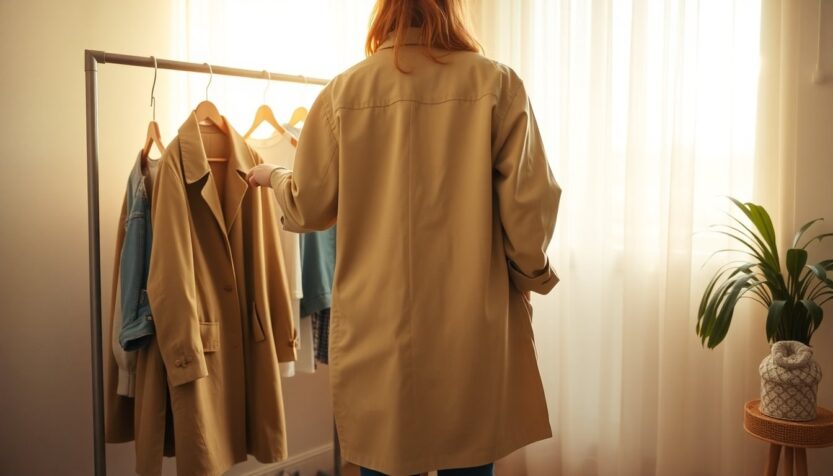
When temperatures wobble between chilly mornings and warmer afternoons, the right outer layer becomes the unsung hero of your closet. A well-curated selection of spring coats solves outfit indecision by providing structure, warmth, and texture without overwhelming a look. Think of these pieces as versatile building blocks: each one can refresh a simple tee and jeans or temper a fancier ensemble. Even if your rotation already includes a classic khaki trench or a beloved denim jacket, expanding into a few targeted silhouettes will keep your outfits interesting and practical.
Style influencers like Hailey Bieber illustrate how a single outerwear choice can define an outfit’s mood—refined, rugged, edgy, or effortlessly cool. Learning how to pick and pair seven essential coat types will help you adapt to unpredictable spring weather and maintain a polished appearance with minimal effort. In this guide you’ll find a concise breakdown of the styles to prioritize, why they work, and simple styling cues to make each one feel modern and wearable.
Key versatile styles to own
The backbone of a reliable spring collection contains a handful of go-to shapes: the trench coat, the barn jacket, a tailored leather jacket, a lightweight denim jacket, an elevated bomber jacket, a luxe suede jacket, and a playful quilted jacket. Each serves a distinct purpose. The trench coat offers timeless polish and rain resistance; the barn jacket brings utilitarian ease for casual days; the leather jacket supplies instant attitude and structure; the denim jacket delivers relaxed layering; the bomber jacket provides cropped proportions and sporty energy; the suede jacket introduces tactile luxury; and the quilted jacket offers lightweight warmth without bulk. Together, these seven cover most transitional scenarios.
Beyond shape, consider variations that expand wearability: cropped trench coats for proportional balance with high-waist bottoms, waxed or canvas barn jackets for weather resilience, and softened or oversized leather options for different style vocabularies. Lighter washes and thinner constructions make denim jackets ideal for spring, while cropped or slightly shrunken bombers can refresh more tailored outfits. The idea is to mix functional choices with a few statement textures so your rotation feels cohesive but not monotonous.
Fabric and fit considerations
Materials dictate how and when you’ll reach for each coat. Choose breathable cotton or gabardine for classic trench coats, waxed cotton or canvas for barn jackets, and vegetable-tanned or high-quality faux options for leather jackets. For a refined finish, scout for micro-suede or real suede if care allows—these fabrics elevate even the most basic tee. Pay attention to fit: closer cuts suit layering under blazers, while relaxed fits accommodate chunky knits. Prioritize mobility, shoulder alignment, and sleeve length; a coat that restricts movement rarely gets worn regardless of how good it looks.
Practical styling and care
Styling these pieces is straightforward when you treat them as finishing touches rather than entire outfits. Pair a trench coat with a midi dress and low boots for a polished day look, swap it for a barn jacket over baggy jeans and sneakers for weekend errands, and toss a leather jacket atop a slip dress to add contrast. For casual energy, layer a denim jacket over a hoodie or lightweight knit. Keep your palette intentional—neutrals for easy mixing, and one or two statement colors or prints to punctuate your rotation.
When to reach for which coat
Use the temperature and activity rule of thumb: when rain is likely or you need a classic silhouette, grab a trench coat; when you want rugged ease and utility, pick a barn jacket; for evenings or to inject sharpness, choose a leather jacket. Reserve denim jackets for casual layering and bomber jackets for cropped, contemporary proportions. Opt for suede jackets when you want texture-rich refinement, and reach for quilted jackets when light insulation is necessary without heavy puff. With these rules, each purchase becomes a strategic addition rather than a trend-driven impulse.
Finally, maintain your investment: follow care instructions for leather and suede, store garments on proper hangers, and rotate usage to extend lifespan. A small, intentional outerwear edit will ensure you’re prepared for spring’s moods and will keep your wardrobe feeling fresh with fewer, better pieces.