
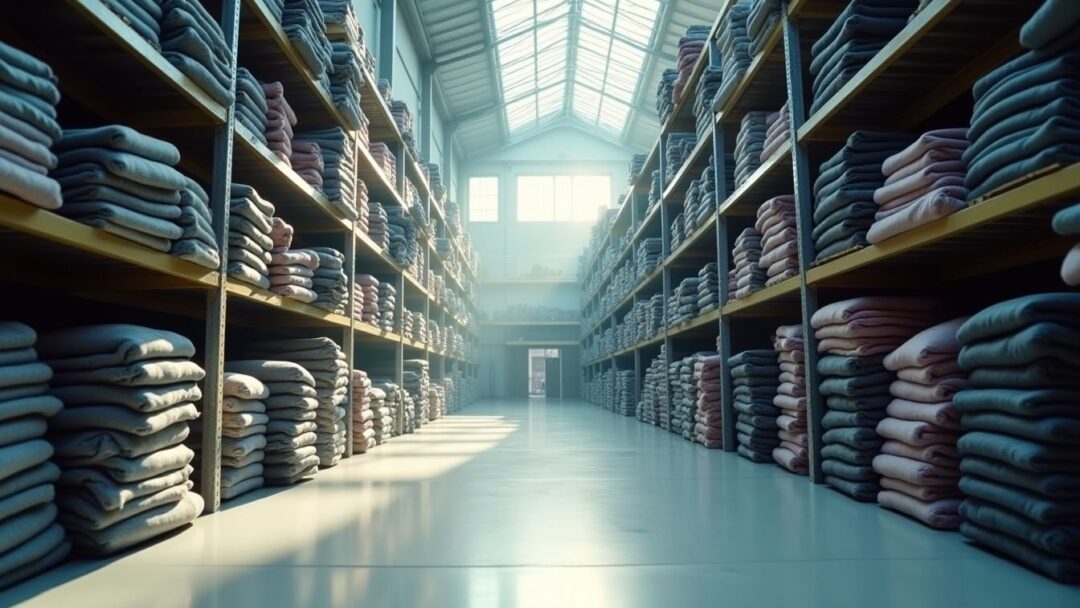
The fashion industry is undergoing a dramatic transformation as the European Union enforces new regulations aimed at reducing waste and promoting sustainability. Starting from July 19, 2026, large fashion companies within the EU are prohibited from destroying unsold clothing, shoes, and accessories. This bold move is part of a broader strategy to create a more circular and eco-friendly fashion ecosystem.
The new rules, outlined in the EU Ecodesign Regulation (Ue 2026/1781), mandate that unsold items must be reused, donated, recycled, or repurposed. This initiative targets the alarming statistic that up to 9% of textile products in Europe are destroyed before ever being worn, contributing to significant environmental harm.
The End of an Era: No More Destroyed Inventory
For years, the fashion industry has quietly practiced the destruction of unsold merchandise to maintain brand exclusivity and prevent devaluation through discounts. This practice became infamous in 2018 when Burberry admitted to burning unsold goods worth £28.6 million. The backlash was immediate, leading Burberry and other luxury brands to reconsider their strategies.
The new EU regulations now make this practice illegal for large companies, with medium-sized businesses required to comply by 2030. Small enterprises are exempt from these obligations. The goal is to shift the industry towards a model where products are given a second life rather than being discarded.
Transparency and Accountability in the Fashion Industry
One of the most significant aspects of the new regulations is the requirement for transparency. Fashion companies must now disclose annual reports detailing the number and weight of unsold items they dispose of, the reasons for disposal, and the methods of reuse or recycling employed. This transparency aims to hold companies accountable and inform consumers about the environmental impact of their purchases.
Assoutenti an Italian consumer association, highlights that the new rules will not only reduce environmental impact but also increase the availability of affordable, second-hand clothing. This dual benefit aligns with the growing consumer demand for sustainable and ethical fashion choices.
Challenges and Opportunities for Luxury Brands
The luxury sector faces unique challenges with these new regulations. Historically, luxury brands have relied on scarcity to maintain high prices and brand prestige. The prohibition on destroying unsold items forces these brands to rethink their inventory management strategies. Companies like LVMHPrada and Chanel must now invest in better demand forecasting and warehouse management to avoid overproduction.
However, this shift also presents opportunities. The focus on reuse and recycling can lead to innovative business models, such as resale platforms and rental services. These initiatives can attract environmentally conscious consumers and open new revenue streams for fashion houses.
The fashion industry is at a crossroads. The EU’s bold regulations are pushing companies to adopt more sustainable practices, ultimately benefiting the environment and consumers. As the industry adapts, we can expect to see a rise in creative solutions that prioritize sustainability without compromising on style and quality.


