

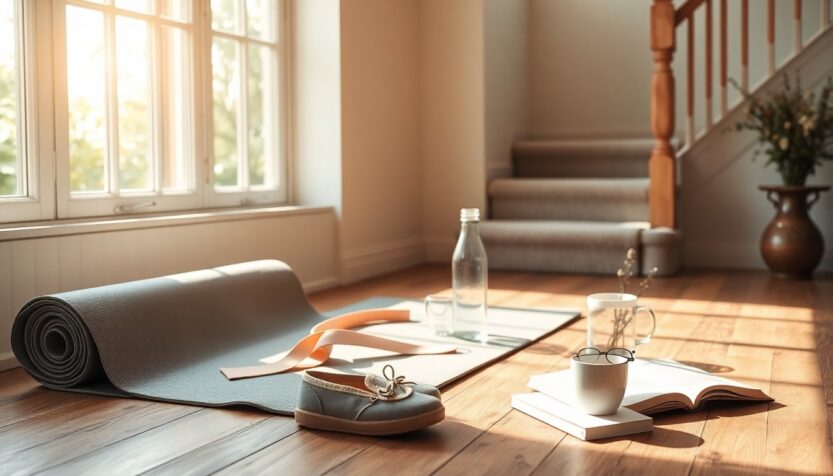
Many women describe a single, quiet moment when their body first felt different: reaching for a dish, climbing a short flight of stairs, or running to keep up with grandchildren. In those minutes the body feels slower or tighter, and an internal conclusion often follows — a resigned acceptance that this is simply what aging looks like. As a certified instructor with over a decade working with women in their 50s, 60s and beyond, I challenge that resignation. The change isn’t an irreversible sentence; it’s a signal that your routine needs to be reshaped. The Pilates-based approach I teach focuses on movement that supports daily life, emphasizing functional strength and sustainable energy.
My name is Christine Kirkland, and the most common request I hear is not about appearance or extreme fitness goals. Clients say they want to feel like themselves again — to move through a day without fatigue or fear of pain. This is not about chasing youthful statistics; it’s about restoring practical abilities. When an exercise program is designed for a different stage of life, it can create strain rather than solutions. Instead of pushing into discomfort with high-impact methods, we choose approaches that respect joint health, steady progress, and habits you can keep. The result is not instant magic, but steady, lasting improvements in how you feel and what you can do.
Why many mainstream programs fall short
Most widely promoted fitness plans assume a thirty-something body: fast, intense, and often high-impact. For women in midlife and beyond, these methods can aggravate joints, increase discouragement, and lead to withdrawal from exercise entirely. It’s important to understand that this is not a personal failure but a mismatch between program design and physiological needs. The alternative is to adopt low-impact, high-quality movement that targets posture, balance, and coordinated strength. By prioritizing alignment, breath, and control, the practice becomes protective rather than destructive. Learning the difference between hard work that heals and hard work that harms is central to regaining trust in your body and the joy of moving without anxiety.
How appropriate movement changes daily life
Energy and confidence return
When exercise matches where your body is today, fatigue shifts from a daily cloud to intermittent and manageable moments. Instead of needing to collapse by mid-afternoon, many women report a calm, steady energy that carries them through errands, social time, and hobbies. The process also rebuilds self-assurance: posture improves, walking feels easier, and you notice small victories — reaching higher kitchen shelves, standing straighter, or bending to lift a toddler without hesitation. These are not cosmetic wins; they are practical measures of regained capability that reinforce motivation and consistency.
Strength that serves real life
True improvement is about functional strength, the kind that supports daily tasks like carrying groceries, climbing stairs, or playing actively with grandchildren. In my work I use controlled, progressive movements that emphasize core stability, joint mobility, and muscular endurance rather than only size or speed. Concepts like progressive load (small, steady increases in challenge) and motor control (refining how muscles coordinate) are applied in client-friendly ways. The outcome is sustainable resilience: fewer aches, safer movement patterns, and the freedom to participate in life with confidence.
Getting started safely at home
If this approach resonates, a practical first step is short, guided sessions that respect your current abilities. I offer three introductory classes designed for women from their late 40s to their mid-70s — including those who haven’t exercised in years or live with chronic aches. Each session is 20–30 minutes, requires no equipment, and can be done in your living room at your own pace. The lessons focus on breath, alignment, and gently progressive exercises that feel both safe and effective. Many participants tell me after the first weeks that they wish they had started sooner — not because the sessions are miraculous, but because they finally fit.
It’s never too late to begin a program built for your body as it is today. You deserve movement that restores strength, steadiness, and confidence. If you want to try the intro classes, you can access three free sessions that demonstrate how simple, consistent practice can make a real difference. I’d also love to hear from you: have you tried Pilates before? How has your relationship with exercise evolved over the years, and what keeps you from trying something new? Conversations like these help me tailor guidance that meets you where you are and moves you toward where you want to be.