



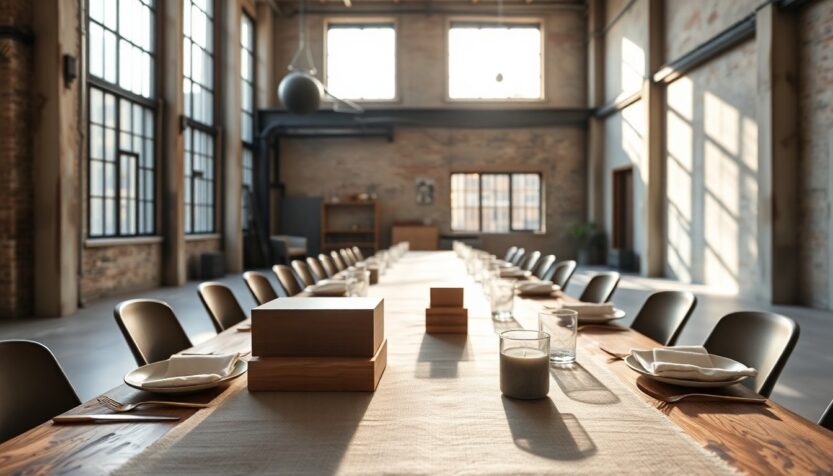
The crowd in the cast-iron building at 101 Spring Street felt like a small reunion of a neighborhood’s memory. Surrounded by modern storefronts—near Retrofête, the Museum of Ice Cream, Sephora, and a Capital One Café—the loft defied the polished retail pulse of SoHo. Inside, the space still echoes an earlier era when the area was home to working artists, studios, and unconventional interiors that resisted the tidy, commercial transformation all around it. The evening gathered a spectrum of creative figures to remember one central figure who shaped both the building and the way people think about art and space: Donald Judd.
Guests arrived in a mix of formal and casual dress, drawn to the event by more than fashion. Among those present were Aubrey Plaza, Grace Gummer, and Solange Knowles, alongside longtime cultural voices like Fran Lebowitz and artist Joan Jonas. The evening was co-hosted by the independent brand Khaite, and catering came from the celebrated Borgo kitchen. At around eight, piano music signaled a transition from drinks to dinner; whispers circulated that the program included a piece by Philip Glass, a moment that felt both ceremonial and quietly modern.
A site of continuity and transformation
The building’s history is inseparable from Judd’s presence. Donald Judd acquired the property in 1968, when SoHo real estate was affordable in ways it no longer is, and made the loft his workshop and home. Because of his work and dedication to preserving the space, the property is listed on the National Register of Historic Places. Inside, many original features remain, offering a tangible link to a period when the artist’s studio was a locus for experimentation rather than a showroom. That continuity helps explain why people still come: the building is not only a landmark but a living piece of Judd’s practice.
Practice, place, and the idea of permanence
Judd’s influence extends beyond one loft. He pioneered the notion of the permanent installation, creating works meant to inhabit a particular setting rather than be moved like conventional paintings. His project titled “100 untitled works in mill aluminum” in Marfa is a prime example: large, geometric forms sited within a specific landscape so that visiting becomes almost an artistic pilgrimage. Marfa draws thousands annually, partly because Judd insisted that the placement of the work was intrinsic to its meaning, collapsing the divide between object and architecture.
Design beyond galleries
Judd’s interests were broad: he designed furniture and engaged in architectural projects that reflected the same disciplined simplicity as his installations. That multidisciplinary approach is alive today in collaborations that reimagine his designs, such as a partnership producing silverware based on his late-1980s designs. Such efforts reflect a continued appetite for work that blurs the line between functional objects and art, sustaining Judd’s voice across disciplines.
The annual dinner and the Judd Foundation
Each year, Judd’s children, Flavin and Rainer, host a dinner in the old loft to support the Judd Foundation, the nonprofit that maintains his buildings and collections. This gathering is less about fundraising theater and more about collective remembrance: a chance for friends, colleagues, and younger generations to take stock of the artist’s ideas and their ongoing resonance. The siblings say that the evening’s value lies in how it helps people mark time, offering a reflective pause that encourages guests to carry forward elements of Judd’s clarity and integrity into their own work and lives.
Who came and what it signaled
The guest list read like a map of contemporary culture—actors, artists, stylists, and designers—showing how Judd’s influence reaches across creative fields. The presence of well-known names was not about celebrity spectacle but about a shared interest in the qualities his work emphasizes: restraint, material honesty, and the interplay of object and space. The event’s atmosphere—part respectful, part celebratory—underscored how an artist’s legacy can become a communal practice, renewed each time a new cohort gathers to witness and discuss it.
Why the legacy endures
Judd’s projects continue to matter because they invite people to reconsider how art sits in the world. By making the environment part of the work, he challenged audiences to see buildings, furniture, and installations as a single, cohesive statement. Institutions and small initiatives that preserve his properties, reproduce select designs, and host reflective events like the annual dinner all contribute to a durable cultural presence. That presence keeps Judd’s central ideas—about space, materiality, and the role of the artist—as active points of conversation for a new generation.
Leaving the loft that night, many guests carried a similar impression: the celebration functioned as both tribute and reminder. The event at 101 Spring Street served to reaffirm that an artist’s work can anchor a place and prompt ongoing inquiry. In that way, the evening was less a final statement than a moment in a continuing conversation about what art makes possible in the life of a neighborhood and in the work of those it inspires.