

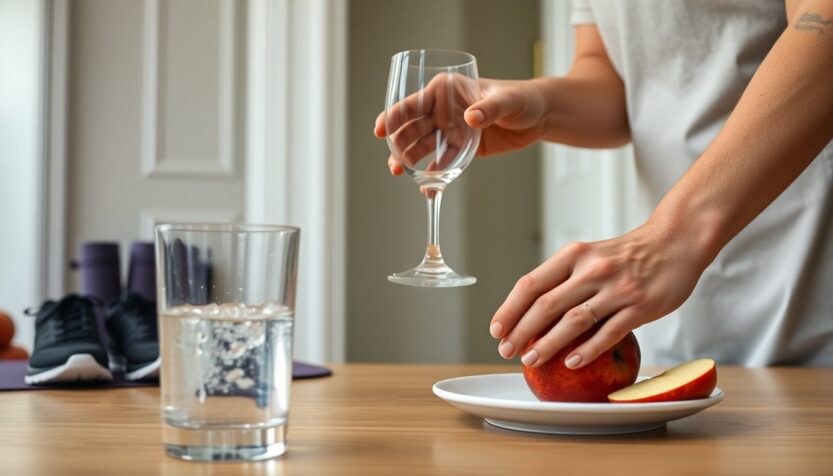
There are moments when life feels smooth and nothing seems wrong, yet a small question begins to surface: is that nightly drink still doing what I expect? For many women in midlife, drinking looks harmless on the surface—no missed obligations, no dramatic fallout—yet it can quietly shape sleep patterns, energy and emotional balance. The idea of taking a break from alcohol may sound extreme, but a short, deliberate pause often reveals how much this habit influences daily wellbeing. A temporary break is not about permanent abstinence; it’s an experiment with clear, measurable benefits.
Habits tend to creep in slowly. Two glasses of wine after dinner can become an automatic signal that the day is over, a ritual for unwinding. Over time, that pattern can increase nighttime awakenings, lower daytime vitality and make anxiety feel more present. Because the effects are subtle and cumulative, many people don’t notice the connection until they stop. Choosing a break gives space to observe the relationship between drinking and how you feel. The next sections explain why stepping back helps and offer practical approaches to make a pause manageable and revealing.
Why a deliberate pause can reset how you feel
Stopping alcohol, even briefly, lets the body and brain recalibrate. Alcohol is a central nervous system depressant and affects the quality of sleep and neurotransmitter balance. After a few alcohol-free nights, many people report fewer awakenings and a more restorative sleep cycle because the body moves more easily through deep sleep stages. At the same time, mood swings and low-level anxiety often attenuate. This happens because the brain’s reward and stress systems begin to regain equilibrium when they are no longer responding to nightly alcohol. A break creates an opportunity to reclaim energy, clarity and a renewed sense of choice about when and why to drink.
Practical benefits you will likely notice
Sleep and energy
Many people discover the sleep improvement first: falling asleep may remain easy, but staying asleep becomes more consistent and mornings feel fresher. Improved sleep quality has downstream effects on stamina, concentration and motivation. The removal of even moderate nightly drinking reduces inflammation and allows restorative processes to work more effectively, which often reduces the midafternoon slump. These changes are not dramatic overnight; they accumulate over days and weeks. Observing these shifts helps reinforce the value of the experiment and provides tangible data when motivation wavers.
Mood, brain and resilience
Alcohol can temporarily calm nerves but paradoxically deepens anxiety over time and blunts emotional range. Without regular drinking, emotions often smooth out and a quieter baseline returns. This is part physiological and part psychological: the brain’s reward circuitry needs time to recover from repeated alcohol stimulation, and during that healing phase you might feel slightly flat before natural enjoyment reemerges. This recalibration is normal and signals recovery. The body also becomes more resilient—digestion, immunity and overall recovery from stress can improve when alcohol is reduced.
How to make a break realistic and steady
Daily strategies and routine swaps
Replacing ritual is more effective than trying to remove it. If an evening glass marks the end of the day, create a new ritual: a short walk after dinner, an herbal tea ritual with a favorite cup, an alcohol-free cocktail, or a relaxing podcast. Keep your focus short—commit to today rather than forever—and track small wins like better sleep or clearer mornings. Writing down improvements helps when motivation dips. Practical tools such as alcohol-free alternatives, changing the environment (clear the bottles from sight) and building enjoyable replacement habits support the behavioral shift.
Mindset, curiosity and support
Approach temptation with curiosity instead of self-criticism. Ask what is driving the urge—stress, habit, boredom—and respond with a supportive action. Expect a temporary low period where things feel less bright; this is part of the brain adjusting. Social support and structure make a big difference: sharing the plan with friends, joining a group of people taking a break, or following guided programs can provide accountability and perspective. Professional advice is important if you suspect heavy dependence; for many, though, an intentional, supported break is enlightening and empowering.
Begin with an experiment
If this resonates, try a short, time-limited experiment: a week or a month without alcohol and a simple journal noting sleep, energy and mood. Notice the subtleties. Often the most meaningful outcome is not permanent avoidance but a clearer sense of control and the ability to choose consciously. What role does alcohol play in your evenings? Would a pause help you see it more clearly?