
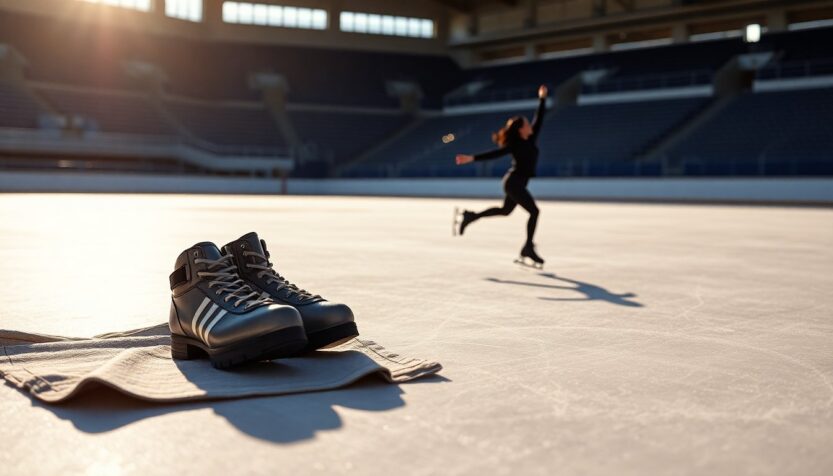
Alysa Liu’s comeback isn’t a straight sprint for medals. It reads more like a second act: deliberate, curious and quieter about podiums. The skater who stunned audiences as the first American woman to land a quad Lutz in competition has shifted her compass. Now, skating is as much a space for self-discovery and storytelling as it is a test of jumps and spins.
From medal-chasing to craft-building
Instead of chasing isolated victories, Liu has tightened her sights on sustainable routines. She’s trading one-off peaks for repeatable processes: incremental technical improvements, smarter recovery practices and consistent, measured training. That approach aims to preserve the long view—career durability over a fleeting season of brilliance.
Three pillars: people, preparation, purpose
Her return rests on a simple but sturdy framework: people, preparation and purpose. The people—coaches, choreographers, advisers—do more than adjust technique. They anchor decisions, manage risk and help translate artistic ideas into competitive strategy. Preparation isn’t just physical work; it’s measurable practice volume, recovery tracking and small technical markers that show steady progress. Purpose gives the whole thing a reason to keep going: programs, goals and daily habits that reflect who she is, not just what she can land.
Embracing imperfection
Liu has allowed flexibility into her plan. Rather than locking into a single tactic, she builds room for improvisation—tiny course corrections during training that protect against overuse and open space for creative play. Those in-the-moment changes reduce injury risk and let her test expressive choices without derailing long-term targets.
Artistry as strategy
Her choreography now favors narrative depth over broad crowd-pleasers. Themes of loss, return and rediscovery thread through her programs, sending a clear artistic signal: she wants to be remembered for more than technical bravado. This creative clarity helps her stand out in a field that often prizes athletic feats above storytelling, and it can sway judges and audiences in ways raw difficulty sometimes cannot.
Why stepping away mattered
Liu paused competitive skating at 16, after rapid early success and an Olympic moment. The break wasn’t an abdication so much as a chance to recalibrate—traveling, studying and testing life outside the rink. That time away reshaped priorities: seeking depth over constant perkiness, authenticity over chasing short-term highs. The result is a skater who returns more selective about what she chases and why.
Repairing trust and rebuilding a team
Coming back required mending relationships as much as rebuilding strength. Reassembling her support network involved honest conversations, negotiating expectations and restoring trust with longtime coaches who worried a comeback might cloud her earlier achievements. The team landed on a phased plan: reconciliation discussions, a gradual training ramp and transparent accountability measures. As training metrics—consistency, recovery scores, technical reliability—improved, faith in the project grew.
Family dynamics and personal autonomy
Liu’s journey also plays out against familiar family tensions that many elite athletes navigate: loyalty, independence and the pressure of legacy. Re-entering competition meant renegotiating those bonds—balancing family input with the autonomy to make creative and career decisions. That balance feels central to both her mental wellbeing and the sustainability of her ambitions.
Coaching, choreography and creative alignment
The people shaping Liu’s return wear multiple hats. A coach corrects edges and jump timing; a choreographer sculpts narrative arcs; advisers help translate feeling into scoring strategy. When those roles align—when technical choices support emotional intent—programs become cohesive and compelling. That alignment is intentional: every music cue, silhouette and transition is weighed not only for beauty but for what it communicates to judges and fans.
Rethinking what competition can be
Liu’s comeback hints at a broader shift in sport: a recognition that athlete welfare and identity matter alongside medals. By prioritizing sustainable habits, creative fulfillment and healthy relationships, she’s testing a new model for success—one where longevity and meaning hold equal weight with podiums.
From medal-chasing to craft-building
Instead of chasing isolated victories, Liu has tightened her sights on sustainable routines. She’s trading one-off peaks for repeatable processes: incremental technical improvements, smarter recovery practices and consistent, measured training. That approach aims to preserve the long view—career durability over a fleeting season of brilliance.0
From medal-chasing to craft-building
Instead of chasing isolated victories, Liu has tightened her sights on sustainable routines. She’s trading one-off peaks for repeatable processes: incremental technical improvements, smarter recovery practices and consistent, measured training. That approach aims to preserve the long view—career durability over a fleeting season of brilliance.1