

Officially, Angela Kelly carried the title of Her Majesty’s personal assistant, adviser, and curator — a role covering jewelry, insignia and wardrobe — but that label only hints at the depth of her relationship with Queen Elizabeth II. Over nearly three decades they developed a private alliance built on mutual trust, shared humor and a joint sense of duty. In public she maintained protocols; in private they traded jokes, danced to pop songs and navigated high-pressure decisions that could have wide-reaching consequences for the Royal Household.
Kelly’s path into royal service began far from palaces. She met the monarch and Prince Philip in Germany in 1992 while employed by the British ambassador and later sold her washing machine to afford an outfit for a Buckingham Palace interview. Hired in 1994 as an assistant dresser, she left Sheffield to join the inner team and eventually took on broader responsibilities. Her working-class background — the daughter of a dockworker and a seamstress — contrasted sharply with the world she entered, but it also gave her a pragmatic, no-nonsense approach that the queen valued.
The wardrobe architect
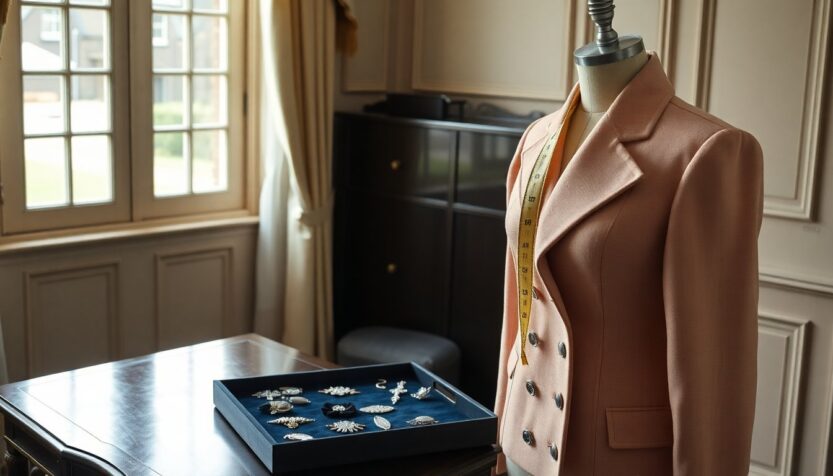
One of Kelly’s most visible legacies was the modernizing of the monarch’s wardrobe. She persuaded the queen to adjust silhouettes and hems, trading longer skirts for brighter, bolder dresses that ensured visibility during public engagements. This approach emphasized functionality and presence: clothes that read well in crowds and on television while retaining a sense of timelessness. Collaborations with designers like Stewart Parvin produced memorable looks for milestone moments such as the Golden Jubilee, and pieces created under Kelly’s guidance often balanced pageantry with practicality.
Backstage rituals and care
Beyond style choices, Kelly managed intimate routines. She would break in shoes to prevent blisters, care for pearls so they kept their sheen, and even sit with the queen as she acclimatized to the weight of ceremonial headpieces. The dressing room itself was a private theater where the queen could relax: they would listen to radio shows, sing along to songs like ABBA’s “Dancing Queen,” and share light-hearted teasing. These small rituals humanized a figure who was otherwise defined by duty and protocol, and Kelly’s stewardship of those moments made public performance possible.
Power, friction and public rows
Kelly’s proximity to the sovereign also created friction within palace circles. Her influence over access to the queen and to prized items of the collection — including tiaras — sometimes put her at odds with other members of the household and members of the royal family. Courtiers who distrusted her working-class accent or suspected her of protecting the queen’s interests above all else gave rise to stories about her ability to affect careers and decisions. Nicknames and rumors circulated, reflecting the fact that those closest to the monarch often wielded unseen power.
Tiaragate and public scrutiny
One high-profile episode involved the selection of a wedding tiara for Meghan Markle ahead of the royal wedding on May 19, 2018. Disagreements over which piece could leave the palace for fittings and how heirlooms should be handled put Kelly in the middle of a heated exchange with Prince Harry. The event — often referred to in the press as tiaragate — highlighted the competing priorities between tradition, conservation and the logistical demands of a modern royal wedding, and later became part of broader public debates about palace dynamics.
Shared duty and final chapters
Kelly’s loyalty extended into moments of deep personal significance. She was among the small group who isolated with the queen at Windsor during the COVID-19 lockdown between 2026 and 2026, adapting to new challenges such as maintaining the monarch’s hair and appearance without the usual outside teams. She accompanied the queen to Balmoral, helped with family visits and private celebrations, and remained at her side during the sovereign’s final days in 2026, an experience Kelly described as the greatest honor of her career.
After the accession of King charles, Kelly was informed that her official duties at the palace would end and she returned to Sheffield. Despite the change in status, she continues to speak fondly of the queen as her closest friend, emphasizing a bond defined by loyalty, mutual understanding and shared responsibility. For many observers, Kelly’s story is a reminder that behind state occasions there are personal relationships that shape how public service is carried out.