



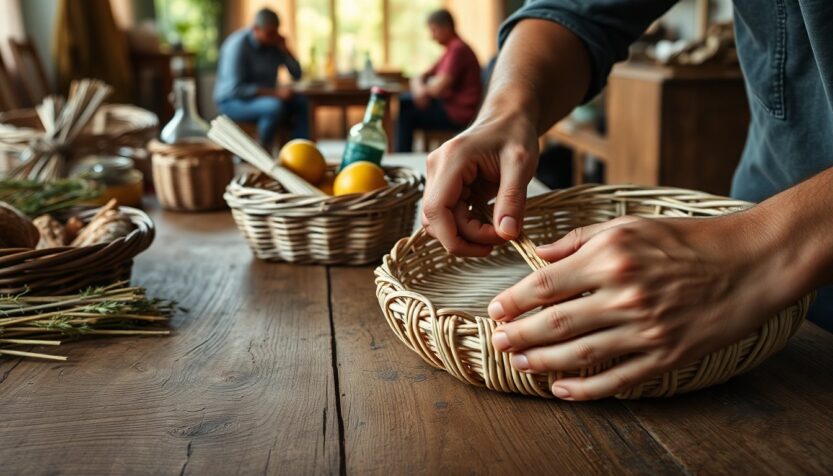
Handwoven Baskets: A Practical, Craft-Based Answer to Mass Consumption
Handwoven baskets are enjoying a fresh surge of interest. Makers, community groups, and small businesses are turning away from disposable containers and rediscovering vessels that merge usefulness with craftsmanship. Starting from humble materials—reed, cane, willow or wild grasses—the process transforms flexible fibers into durable containers that carry groceries, tools, and stories. The physical rhythm of soaking fibers, counting over-and-under rows and adjusting tension forces a slower pace, a welcome contrast to hurried, screen-driven days.
Durability as an Economic and Social Asset
Durable objects change how we think about value. A well-made basket spreads the cost of ownership across years of use instead of demanding frequent replacement. For artisans and small enterprises, that durability supports steadier demand, stronger local supply chains, and a healthier relationship between maker and market. When goods last, consumption becomes less volatile: fewer purchases, fewer resources wasted, and more economic resilience for the communities that produce them.
Origins and Ongoing Purpose
Basketry is one of humanity’s oldest technologies. Long before metalwork or ceramics were widespread, people wove fibers into containers for gathering, carrying, and storing essentials. Archaeological finds show baskets used for food, seeds, newborns, fishing gear and traps—tools rooted in survival and everyday life. Today’s basketmakers draw from that practical heritage while reshaping forms to fit modern homes: market totes, storage baskets, planters and decorative hung pieces that still perform useful tasks.
How the Craft Unfolds
Learning to weave a basket begins with fundamentals. Fibers are soaked to gain pliability without breaking; stakes are placed evenly for a stable base; rows are added methodically to build the body. Throughout, makers watch tension, rhythm and symmetry. Rushing produces warped bottoms, loose rows or weak rims; careful repetition produces strength and beauty. Over time, the motions become meditative—hands and eyes coordinating to keep pattern and proportion in balance.
Technique and Creative Choices
Beneath common techniques lie countless creative decisions. Dyed reed creates contrasting bands; alternating weave patterns change texture and light; handles and rims can be shaped for comfort or visual drama. Light skimming the woven surface reveals subtle shadows and depth. Small quirks—one side a touch tighter, a slightly off-center base—are not flaws so much as fingerprints of the hand that made the piece. Those irregularities are part of what separates an object with history from a mass-produced substitute.
Community, Transmission and Enterprise
Weaving is rarely done in complete isolation. Community centers, guild halls and kitchen tables host gatherings where people swap tools, advice and stories. These meetings preserve regional techniques and make mentoring possible, letting seasoned makers pass skills to newcomers. Larger organizations and regional networks compile event listings, run workshops and help link apprentices with masters.
As small enterprises scale, attention to safety and materials matters. Following local health and safety guidelines—especially for items that hold food—or maintaining safe workshop practices protects both customers and makers. Good regulatory practices help microbusinesses grow sustainably while preserving the social value woven into communal teaching.
Why People Come Back to Basketry
People return to basketry for many reasons. Some take pleasure in producing objects that are both useful and long-lasting. Others find social connection in workshops and guilds. Many are drawn to the tactile, rhythmic work as an antidote to screens and endless notifications: weaving demands presence, observation and a steady hand. In a culture of fast design trends, a handwoven basket is reliable—a tangible trace of the person who made it.
Getting Started
If you want to try basketry, look for local classes, community craft nights or regional groups offering introductory sessions. National craft organizations often list resources and events, while experienced makers are usually happy to welcome beginners. Start with simple patterns and basic materials. The first baskets teach more through repetition than theory—patience and practice bring steady improvement.
A Quietly Radical Choice
Basket weaving persists because it meets practical needs and satisfies deeper human desires for skillful handiwork. Each finished basket stores groceries, tools and memories; it also bears the quiet signature of the person who chose to make rather than buy. Preserving these crafts supports local economies, keeps skills alive across generations and strengthens community ties—small acts that add up to meaningful cultural continuity.