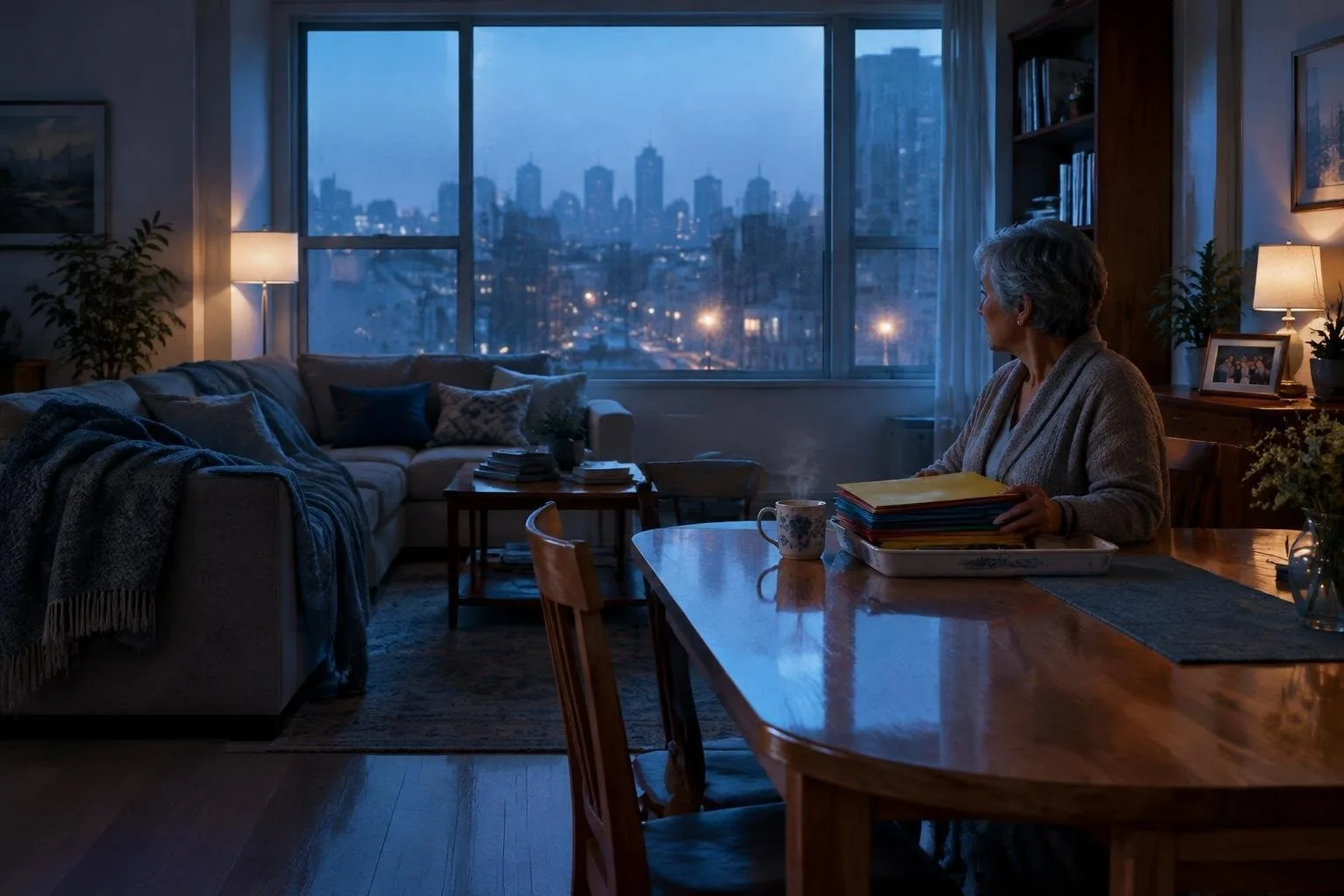
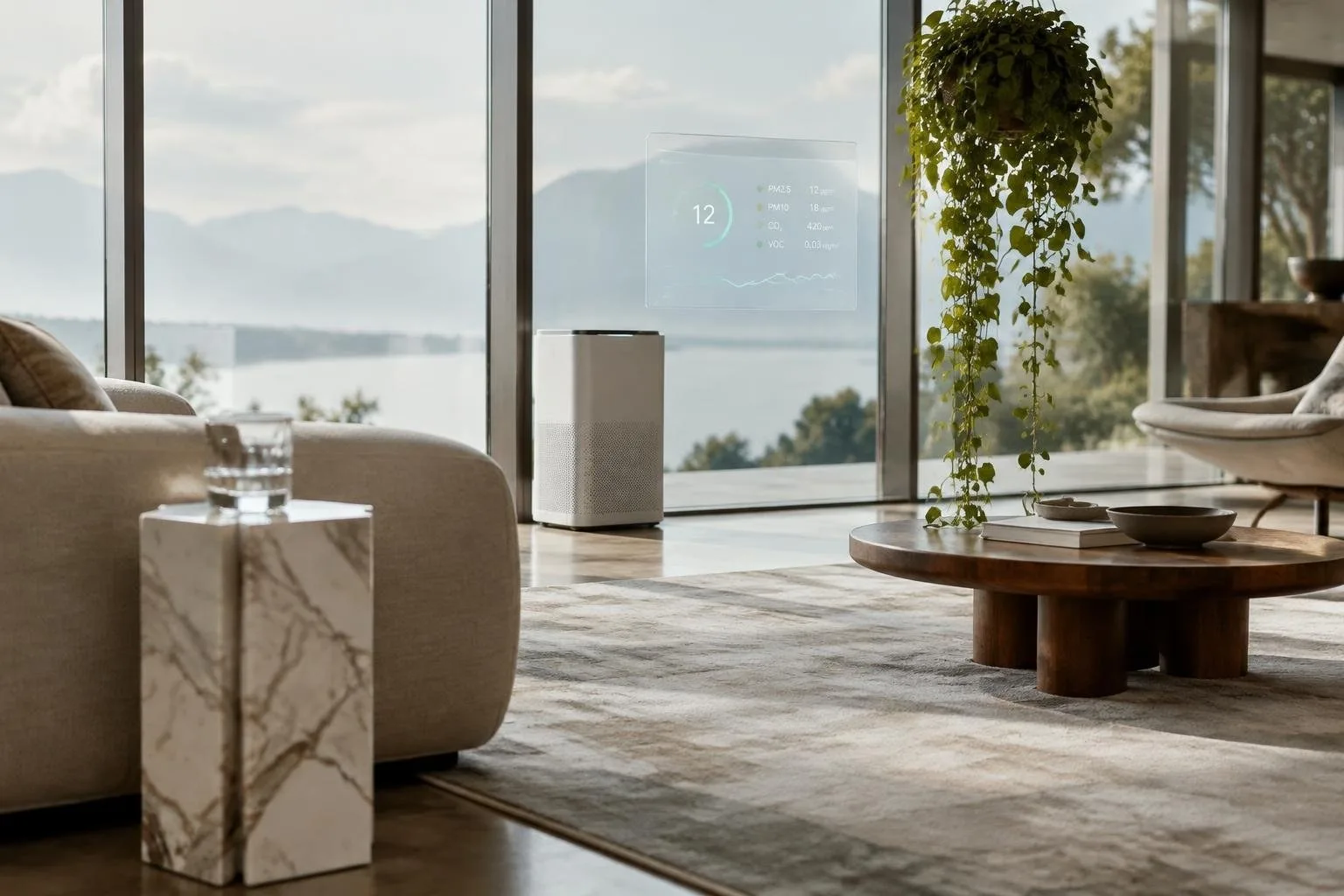
When a high-end property once relied on a marble lobby and a concierge-run spa to signal its prestige, today the benchmark has shifted. Wellness-centric design—from hospital-grade air filtration to biometric monitoring—has become the new status symbol for ultra-wealthy homeowners. The shift is so pronounced that industry analysts now compare these amenities to the Hermès Birkin of real-estate: coveted, exclusive, and expected by the most discerning clients.
Developers such as Moses Hershko, a specialist in what he calls “longevity homes,” are answering this demand by embedding health-supporting systems directly into a property’s DNA. His latest venture, the Coastal Cliffside Longevity Estate, integrates advanced water purification, circadian lighting, and smart climate control alongside traditional spa treatment rooms. Hershko emphasizes that the future home will not simply be “smart”; it will be a living environment that actively supports the occupants’ biology.
Wellness moves from amenity to infrastructure
What used to be a peripheral perk—salt-therapy rooms, cryotherapy chambers, or a rooftop sauna—is now expected to be part of the core building brief. Sotheby’s International Realty’s 2026 Mid-Year Luxury Outlook notes that affluent buyers are designing their lives around longevity, effectively blurring the line between a private residence and a personal health retreat. Elements such as hospital-grade air filtration, low-VOC paints, and non-toxic building materials are no longer optional upgrades; they are treated as essential building standards.
Real-estate professionals echo this sentiment. Phil Gutman of Continuum Realty explains that today’s clients scrutinize water quality, indoor air, and the feasibility of daily restorative practices before signing a contract. Meanwhile, industry veterans like Jackie Soffer caution against “wellness fluff,” advocating for a logical approach that prioritises measurable benefits—clean air, safe paints, and calibrated lighting—over gimmicky installations that add complexity without clear health outcomes.
What buyers truly want: privacy, performance and everyday functionality
Beyond the hard-tech specifications, the luxury market is gravitating toward spaces that provide privacy and a seamless integration of work, recovery, and family life. Hershko’s clientele—entrepreneurs, athletes, and high-net-worth families—are purchasing not just square footage, but an environment that delivers performance, recovery, energy, and peace of mind. Lee Arrowood of Compass stresses that fundamentals such as walkability, natural light, and architecture that embraces the outdoors remain paramount, with specialized wellness amenities considered optional upgrades that can be added later.
Innovative projects illustrate this holistic mindset. In West Palm Beach, Banyan Tree Residences is launching South Florida’s first residential meditation dome, a 500-square-foot space designed for silence and focused breathing. In North Miami, the Mermaid Club transforms a 1.5-acre stretch of Biscayne Bay into a 150,000-square-foot aquatic wellness zone, featuring floating pools, over-water yoga decks, and protected swimming areas—turning “blue space” research into a daily living experience.
Design trends for 2027: warmth, individuality, and functional luxury
While health technology dominates the conversation, aesthetic preferences are evolving in parallel. Shelton Wilder predicts that luxury interiors will lean toward richer wood tones, layered textures, and architectural details that convey character and timelessness. Buyers are no longer chasing fleeting trends; they seek homes whose finishes will age gracefully, favoring authentic craftsmanship over cookie-cutter styling.
Neutral palettes will still dominate, but the emphasis shifts to personality-rich elements—exposed timber beams, artisanal tile, and bespoke lighting fixtures—rather than bold wall colors. Wilder insists that design must echo the home’s original architecture, whether it’s a Spanish villa, a mid-century modern, or a coastal contemporary, ensuring each property feels unique while maintaining a cohesive narrative.
Functionality is equally critical. Spacious floor plans, ample storage, dedicated home offices, and private outdoor zones are now baseline expectations. Wellness-focused rooms such as home gyms, saunas, and spa-inspired bathrooms are rising in priority, yet they complement rather than dominate the overall layout. For sellers, modest updates—fresh paint, refined lighting, and strategic staging—often deliver higher returns than costly, highly personalized remodels that may not align with the next buyer’s taste.
In sum, the luxury market is undergoing a profound transformation where wellness infrastructure and thoughtful design intersect. Developers are tasked with integrating biometric monitoring, clean-air systems, and water purification alongside warm, character-driven interiors that serve everyday life. As the line between a private residence and a health retreat continues to blur, the homes of the future will be judged not merely on square footage or views, but on how effectively they nurture the body, mind, and lifestyle of their occupants.