
On March 2, as a nationally televised address underscored rising geopolitical tensions, Paris Fashion Week kicked off with nine days of shows that felt oddly attuned to the moment. Runways traded pure spectacle for a mix of staged sensuality, pragmatic citywear and muted finales—as if designers were answering the same question: what do clothes look like when the world feels uncertain?
Markets and fashion move in similar ways. When uncertainty spikes, investors rethink risk; when consumer confidence wavers, buyers and brands reassess desirability against wearability. That dynamic shaped this season. Who presented what—and why—felt as meaningful as the garments themselves.
Courrèges: streetwise clarity
Nicolas Di Felice marked his fifth season at Courrèges with a show that resembled a Parisian street rather than a conventional catwalk. Invitations that included alarm clocks set a playful, slightly dystopian tone—waking into night rather than morning. The finale paired celebratory choreography with stark white reinterpretations of earlier pieces, a neat punctuation of the show’s dualities.
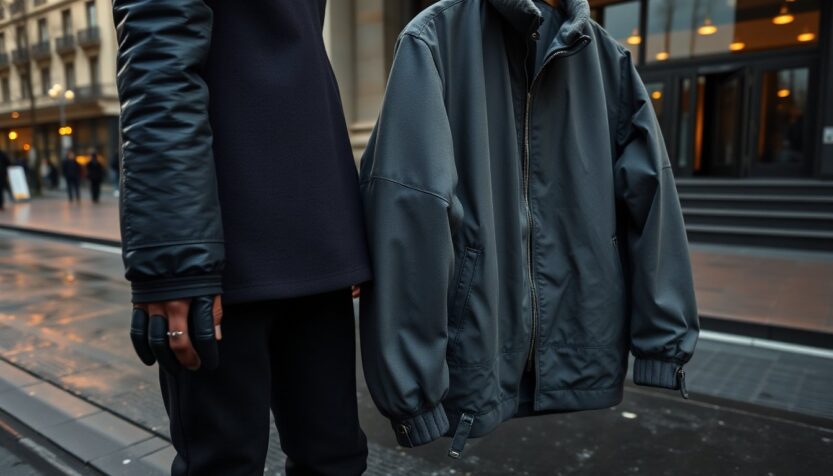
Di Felice has been explicit about intent: the runway is a sales floor as much as a stage. That commercial clarity—born of hard lessons from past downturns—meant the collection favored wearable structure over flighty theatrics. A towering stiff collar on a bomber jacket, for example, fused unexpected sensuality with metropolitan practicality. The overarching aim was clear: seductive clothes that actually suit city life.
Tom Ford under Haider Ackermann: polished eroticism
Haider Ackermann’s first season steering Tom Ford leaned into a calibrated eroticism. Satin vests worn without shirts, trousers held by a single strap, and smoking robes created a mood that was more cinematic than salacious. The casting, score and tailoring worked together to make desire feel elegant and adult, a refined response to a world that’s increasingly serious.
Intimacy as an aesthetic
Several designers this week treated intimacy itself as a design strategy. Stylized closeness—lingering silhouettes, skin-revealing layers, tactile fabrics—offered comfort and spectacle at once. Beyond surface allure, these looks prompt questions about who gets to be represented and how accessible this kind of “closeness” is, signaling debates that reach beyond the fashion industry into social and regulatory realms.
Saint Laurent, Chloé: two sides of closeness
Antony Vaccarello at Saint Laurent pushed toward a curated fetishism: lace—sometimes raw, sometimes silicone-coated—alongside fur and sharp suiting. The effect was controlled, almost austere, reigniting conversations about runway diversity and the singularity of a tightly defined aesthetic.
Chemena Kamali’s Chloé, by contrast, favored warmth. Drawing on folkloric motifs, Kamali layered sheer dresses and cozy overtones to cultivate a sense of community rather than provocation. Side by side, the two houses illustrated fashion’s ability to propose very different kinds of intimacy—one confrontational, the other consoling.
Junya Watanabe: assemblage as politics
Junya Watanabe titled his show The Art of Assemblage, stitching ready-made objects—phone cases, gloves, toys—into garments that felt inventive and a touch anarchic. The collection read as both resourceful design and a quiet political statement about reuse, production methods and what counted as value in clothing.
Messages stitched into clothes
Across houses, the season threaded practical thinking through creative impulses. Designers balanced allure with utility and spectacle with saleability, as if translating wider social tension into wearable answers. The result was a week that mapped not just fashion trends but the evolving relationship between cities, intimacy and consumer behavior.
Markets and fashion move in similar ways. When uncertainty spikes, investors rethink risk; when consumer confidence wavers, buyers and brands reassess desirability against wearability. That dynamic shaped this season. Who presented what—and why—felt as meaningful as the garments themselves.0