

Who was affected
Residents, commuters and municipal services along the U.S. Northeast coast — from Maryland up through New England, including all five New York City boroughs.
What happened
On Feb. 23, 2026, a powerful winter storm — simultaneously a classic nor’easter and a rapidly intensifying “bomb cyclone” — slammed the region with heavy, wet snow and fierce winds. The combination produced quick accumulation, widespread travel disruption and extensive power outages.
Why it mattered
Roads, transit systems and schools shut down. Utility crews raced to repair downed lines as neighborhoods went dark. Municipalities declared emergencies, opened warming centers and mobilized mutual-aid agreements to cope with the scale of damage.
How the storm worked
The snow felt unusually heavy because conditions were almost ideal for big, wet flakes: cold enough for snow, but warm enough to hold plenty of moisture. Strong dynamics aloft squeezed that moisture into narrow, intense bands, producing very high snowfall rates where they formed. At the surface, the storm deepened rapidly — the hallmark of a bomb cyclone — tightening the pressure gradient and whipping winds up to storm- and even hurricane-force gusts at coastal observing stations. The result was whiteout conditions, rapid accumulation on roads and power lines, and extra stress on trees and structures.
Why wet snow is especially damaging
Wet snow clings and piles up on branches and cables, increasing the likelihood of breakage and outages. When heavy wet snow falls while strong gusts blow, the combined mechanical stress multiplies the risk. That’s why utilities and emergency managers prioritize feeders serving hospitals and other critical sites first, and why prepositioned crews and spare parts make such a difference in recovery speed.
Local impacts: travel, power and daily life
– Airports serving the New York, New Jersey and Boston metro areas reported widespread cancellations and delays. Many flights were grounded.
– Rail and commuter services logged severe disruptions and temporary suspensions.
– Road crews worked around the clock, but melting-and-refreeze cycles and limited windows for safe snow clearance left surfaces treacherous.
– More than 500,000 customers lost power across the region as heavy accumulations and falling limbs snapped lines.
– Schools closed or shifted to remote learning. Museums and performance venues canceled events. Grocery and pharmacy deliveries slowed in spots where last-mile access was blocked.
Scenes on the streets
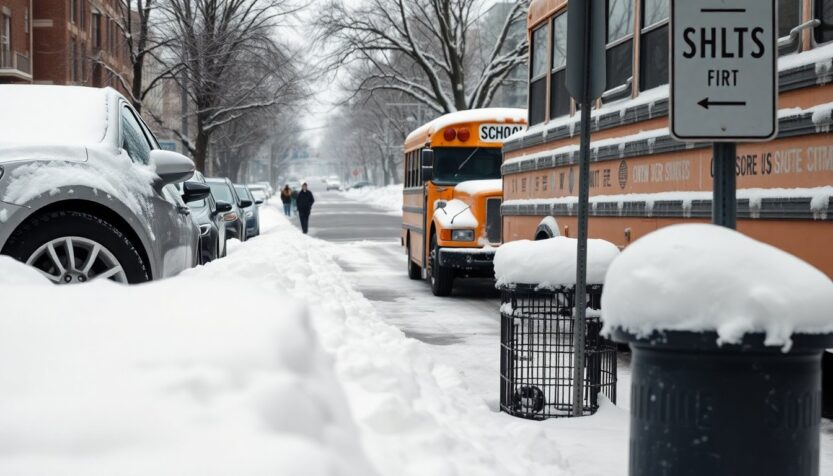
In Brooklyn and Lower Manhattan, sidewalks narrowed to white corridors as trees bowed under the weight of snow. Many people stayed home, turning the day into clearing driveways, shoring up generators, and juggling childcare and work. At the same time, neighborhood volunteers and local nonprofits extended a hand: warming centers opened, volunteers checked on elderly residents, and food banks stretched services to meet demand. Where conditions allowed, residents found small moments of joy — kids sledding on cleared hills, impromptu snowmen in quiet squares — even as emergency crews focused on getting power and services back online.
How communities responded
Municipal emergency declarations unlocked mutual-aid arrangements between jurisdictions and prioritized resources for critical infrastructure. Public works teams and utility crews triaged repairs, while volunteers handled welfare checks and helped clear walkways. Hotlines and coordinated dispatch centers attempted to direct calls and supplies more efficiently. These efforts limited some outages and prevented worse secondary impacts, but the storm also exposed supply-chain and staffing constraints in several towns.
Practical safety tips
– Avoid travel if possible. If you must go out, carry a charged phone and a vehicle emergency kit.
– Stay clear of downed power lines; treat them as live and report them immediately.
– Keep an emergency kit with food, water, flashlights and batteries.
– If you must clear snow from roofs or vessels, wait until it’s safe and use nonabrasive tools to avoid damage.
– Check on elderly or vulnerable neighbors and follow official municipal and utility guidance during outages.
What happens next
Repairs and restorations will continue as crews work through hazardous conditions. Municipal channels will post targeted updates about outages, road clearances and shelter availability. In the weeks ahead, agencies and utilities are likely to review emergency plans, mutual-aid effectiveness and supply inventories to shore up weak points revealed by the storm. 23 storm made plain how fragile some parts of our infrastructure remain — and how much communities rely on fast, well-coordinated responses. Emergency crews, municipal teams and volunteers limited the damage where they could, but recovery depends on continued access for crews, stable weather and clear communication from local officials. Keep an eye on official updates and take basic precautions while repairs continue.