
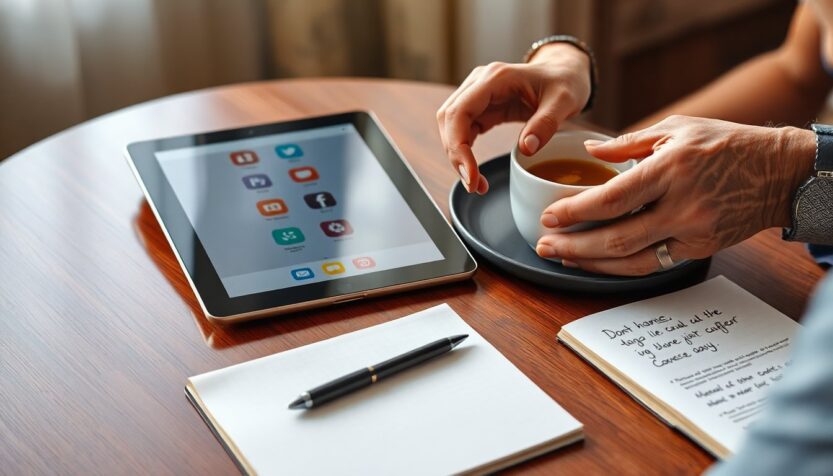
Who: people entering their 60s and beyond. What: a practical reassessment of ageing that prizes small, repeatable changes over sweeping reinventions. Where: everyday life at home, in community spaces and online. When: now — the present phase of later life. Why: because modest, well-chosen habits reduce friction, restore agency and increase daily satisfaction.
Emerging trends show older adults are reshaping expectations about retirement and later life. The future arrives faster than expected: small experiments in technology, clothing and routines are producing immediate gains in independence and well-being.
According to MIT data, lifelong learning correlates with better cognitive outcomes and social engagement. That evidence underpins a simple proposal: favour practical learning over perfection. Start with a single skill. Build one habit. Repeat.
Who benefits most? Women who seek manageable, low-cost changes that preserve dignity and amplify choice. Who does not need a full lifestyle overhaul. Who gains confidence from measurable wins. These are pragmatic priorities for the cohort often overlooked by mainstream narratives about ageing.
Small steps matter. Learn one tiny tech skill such as voice commands or secure photo sharing. Swap restrictive garments for comfortable, adaptive clothing that eases daily dressing. Replace a single heavy task with an assistive tool. Each change costs little and returns clear utility.
Start small: practical wins that build confidence
Micro-tasks that matter
Each small fix compounds into greater independence and reduced daily friction. Start with one routine irritation and complete it end to end.
Practical examples include resetting a car clock, changing a phone setting, switching to online banking, scanning QR codes for travel, or setting up a digital boarding pass. These tasks require limited time and deliver immediate, measurable benefits.
The act of searching for instructions, following a step-by-step guide and finishing the task produces what behavioral science calls a micro-victory. Micro-victories increase confidence and raise the probability of tackling larger problems.
The future arrives faster than expected: as more services move online, small technical skills become essential daily tools. Quick wins on simple tech reduce anxiety and create durable habits.
How to build momentum: choose two irritations, document the steps in a single-sheet reference, and repeat the procedure until it becomes automatic. Track progress with a simple checklist.
Implications for daily life are concrete. Accumulated small competencies free time, lower stress and expand options for travel, banking and communication. For women entering their 60s and beyond, these gains support autonomy and practical resilience.
Practical style and comfort: dressing for life, not an age
For women entering their 60s and beyond, these gains support autonomy and practical resilience. Emerging trends show a shift from age-prescriptive fashion toward purpose-driven wardrobes. Consumers now prioritize garments that move with daily routines, reduce maintenance time and extend garment lifespan.
Mixing practicality with personality
Wardrobes built for longevity favor natural fibers. Fabrics such as cotton, linen, silk and cashmere breathe, drape and withstand repeated wear. These materials also simplify care and reduce the need for frequent replacement.
Minimalist strategies reduce decision fatigue. A curated capsule of reliable pieces—neutrals for layering and a few statement items—delivers versatility without excess. Thrifted finds and selective high-street staples can coexist with occasional investment pieces.
The future arrives faster than expected: design innovations now embed functionality without sacrificing style. Seam placement, adjustable hems and stretch blends preserve silhouette while improving comfort. According to MIT data, small ergonomic adjustments in clothing significantly improve daily mobility for older adults.
Practicality need not erase personality. Pattern, texture and accessories provide identity while keeping outfits easy to wear. Prioritizing one expressive element per outfit keeps looks intentional and simple to assemble.
How to prepare today: audit existing garments for fit and condition, prioritize breathable fabrics and add three multipurpose pieces. For many women, this approach reduces wardrobe churn and supports sustained independence.
Implications for retailers and designers are clear. Demand favors durable materials, accessible tailoring and transparent care instructions. Brands that adapt will meet both ethical expectations and a growing market for age-inclusive functionality.
For women entering their 60s, style becomes an intentional expression rather than a label. Comfortable shoes replace painful heels while retaining elegance. Layering and breathable fabrics manage temperature changes without compromise. A single standout accessory — a colorful scarf, a distinctive bag or a playful hat — supplies personality with minimal effort. Donating unworn items keeps the wardrobe fresh and supports a decluttered living space. Emerging trends show brands that combine functionality with tasteful design gain both market share and trust.
Keep curiosity alive: learning, traveling and new conversations
A curious outlook is a powerful tool for sustained engagement. Digital platforms such as YouTube shift passive viewing toward active learning, offering documentaries, repair tutorials and cultural essays. Short courses and local meetups create structured entry points into new hobbies. Spontaneous encounters and community groups often lead to unexpected interests, from canal-boat living to caravan trips across Europe.
The future arrives faster than expected: lifelong learning and modest travel are converging into practical lifestyles. Those who embrace new skills and social circles build resilience and richer daily routines. Practical preparation requires small investments now — a course, a weekend trip, or time set aside for conversation — that yield ongoing returns in curiosity and connection.
Social sparks and shared stories
Community conversation often surfaces unexpected opportunities. Neighbourhood pubs, book groups and community centres host exchanges about travel, business projects and personal reinvention that reveal active networks of peers. These encounters serve as real-time evidence that reinvention continues beyond midlife and that being over 60 is compatible with entrepreneurship, artistic practice and sustained travel.
Emerging trends show peer-to-peer storytelling functions as informal mentorship. According to MIT data, social networks accelerate idea diffusion and increase the likelihood that individuals will try new ventures. The future arrives faster than expected: casual conversations can prompt collaborations, invite participants to local projects or lead to small joint investments.
Small investments now — a professional course, a weekend trip, or dedicated time for conversation — yield ongoing returns in curiosity and connection. Who does not benefit from a wider circle of collaborators and friends as ambitions shift with age?
Designing a flexible daily rhythm
Energy patterns change with age and require pragmatic scheduling. A daily rhythm that allows for an afternoon rest, a late-afternoon cultural event or a short siesta before evening plans preserves stamina while maintaining an active social life. Such rhythms prioritise sustainable participation over relentless pace.
Practical adjustments improve resilience. Eating intuitively and allowing for slower recovery after exertion reduce burnout. Moderate alcohol consumption with meals can remain part of social routines when balanced with hydration and rest. These choices support continued engagement in work, creativity and travel.
Emerging trends show flexible work and leisure patterns increase longevity of participation in public and professional life. The future arrives faster than expected: adopting adaptive routines now positions women to sustain meaningful activity and social engagement into later decades.
Emerging trends show the future arrives faster than expected: adopting adaptive routines now positions women to sustain meaningful activity and social engagement into later decades.
Women over 60 are increasingly claiming freedom to redefine daily life. This shift allows them to learn new skills, travel with purpose, experiment with bolder wardrobes, launch businesses or complete long-delayed creative projects.
Who benefits and how is clear. Small, practical changes—home modifications, flexible schedules, and targeted health routines—expand independence and reduce friction in everyday life. Comfort and style coexist when design and function are aligned.
Why this matters: prolonged engagement supports physical health, mental well-being and social networks. Continual curiosity fuels new projects and connections that reinforce purpose and resilience.
Key takeaways: minor adaptations yield greater autonomy; aesthetic choices need not sacrifice comfort; sustained learning generates opportunities; flexible rhythms foster a joyful, sustainable lifestyle.
How to prepare today: prioritize mobility and sleep, schedule exploratory learning, and test small entrepreneurial ideas. Leverage community hubs and digital platforms to scale social and economic initiatives.
The future arrives faster than expected: women who integrate adaptive routines and a mindset of experimentation are likely to broaden their horizons and sustain meaningful participation in work, culture and civic life well into later decades.