



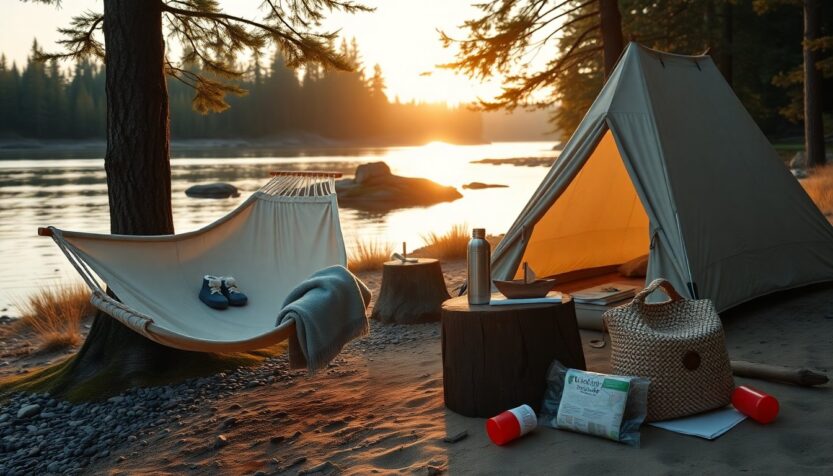
We used to mark anniversaries by pitching a tent on a windswept island off the coast of Washington State and falling asleep to the sound of harbor seals. Those quiet couple-only trips shifted when a new little person arrived: pregnant, I spent a slow afternoon in a hammock by a national forest river imagining what family camping might look like. Early attempts were uneven. Our first trip with an infant ended abruptly; we left the site in the night after an inconsolable baby and a forgotten bag of firewood. The contrast between pre-kid freedom and the realities of parenting outside taught us quickly: family camping looks different from backcountry romance, and that difference is worth learning to love.
After taking a season to regroup, we tried again when our daughter was older and discovered that the right tweaks make outdoor trips feel effortless. Over a few years we developed rituals, a smart camping checklist, and a flexible approach to gear so that what started as survival became a joyful tradition. In the sections that follow I share what mattered most to us: how minimal supplies can spark maximal play, why adaptable equipment is a game changer, the value of group trips, the surprising impact of ranger programs, and the simple note-taking habit that improves every return visit.
Make the outdoors irresistible with small things
We learned that entertainment doesn’t need to be elaborate to be effective. At park campgrounds we often find amenities like playgrounds, paddle boats, and ice cream stands, but even the most spartan sites become lively with a few intentional choices. We bring a frisbee and a light plastic ball to grassy fields, a kite and sand toys for beaches, and field guides and binoculars for wooded trails. For younger explorers a single-lens monocular often outperforms binoculars because it’s easier for small hands to manage. Preparing food ahead of time—chopping, portioning, and baking treats like blueberry scones at home—frees up campsite hours for play. The result is that kids invent their own games and adults get to relax, turning simple tools into prolonged fun.
Adapt your gear and expectations
When babies arrived we stopped pretending our two-person backpacking setup would do the job and moved to a larger tent and later a secondhand pop-up camper. The kids christened our family tent with a nickname, and the camper became a cozy hub decorated with stickers from each park. We alternate between tent nights and camper comfort depending on the campsite. This flexible approach—knowing when to keep things simple and when to lean into convenience—lets us enjoy both remote hikes in the future and easy, restorative weekends now. Embracing different setups is less about compromise and more about choosing what works for each trip.
Keep a living checklist
A persistent habit that saved us time and stress is maintaining a digital camping checklist in my notes app. It’s a running inventory that evolves: items we forgot get added; clever hacks we invent get saved. For meals we pre-mix and pre-cook as much as possible so camp mornings feel calm—our cast-iron cooker makes breakfast sandwiches almost ceremonial, and reheating scones over embers pairs beautifully with coffee. While walking the campground we jot favorite sites and ideal loops to reserve next season; that log makes spring booking less frantic when everyone starts coordinating dates.
Community, rangers, and the memories that stick
Group trips with friends always feel like an oversized sleepover. Older children pedal racecourses around campsites while younger ones follow, inventing games that require no grown-up planning. Evening meals become potlucks: someone has extra ketchup, sunscreen, or a spare sweater, and we share without fuss. After the kids fall asleep around the fire, a few of us linger to trade stories under the stars, and the rest head back to tents feeling fuller in a very particular way. These social rhythms—shared work and shared leisure—are why many of our best campsite memories involve friends as much as family.
Why park rangers matter
One of our most durable traditions came from a ranger-led activity. At one park a ranger visited campsites with booklets full of nature puzzles and games and promised a wooden badge for children who completed the sheets. My daughter, then five, colored and solved every page. On the final morning there was an official little ceremony at the ranger station where she took a pledge to care for waterways and wildlife. That simple program turned a few hours of coloring into a meaningful lesson about stewardship and left us all unexpectedly moved. Programs like these—Junior Park Ranger or similar—add low-effort, high-impact moments to family trips.
What surprises us most is what the kids remember. They recall the bright arc of the Milky Way on the walk to the bathroom, the warmth of a mug of cocoa before breakfast, and the soft rhythm of an audiobook on the drive home. They rarely dwell on the small miseries of travel. Back at home they’ll climb into the attic bed under a slanted ceiling and declare, “It’s like camping,” which is all the proof we need that these trips are doing their work: building simple rituals and durable, joyful memories.
Kaitlyn Teer’s debut essay collection, Little Apocalypses: Essay on Motherhood, Climate Change, and Hope at the End of the World, has been published. She is the senior editor of Big Salad and lives with her husband and two children in Bellingham, Washington. Do you camp with your family? What small traditions make your trips special?