

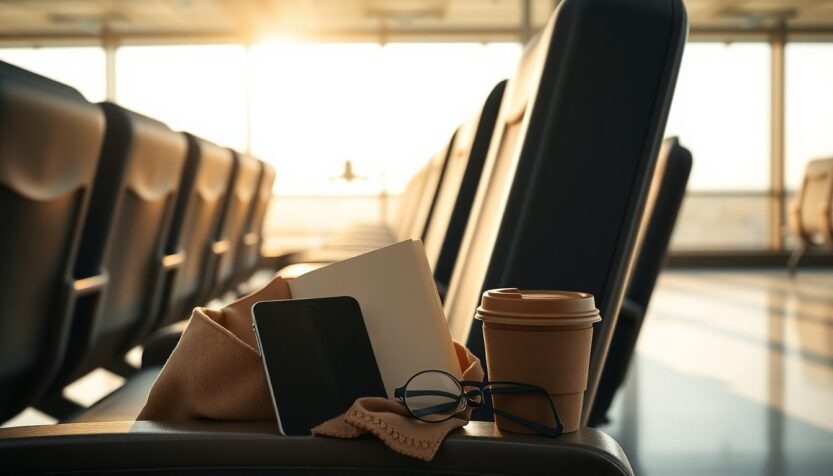
Look up the next time you sit in an airport gate, medical waiting room, or a checkout line and you will likely see people bent over glowing screens. The ritual of reaching for a phone during those waiting periods has become so automatic that it rarely draws attention. That pattern is what I decided to interrupt: instead of adding more screen time, I swap phone tapping for a paperback that fits into my bag and my routine.
My motivation is simple and personal. I grew up accompanying my dad on Saturday library runs because his long bus commute demanded fresh reading each week, and those trips taught me to fill quiet minutes with books. Carrying a small book is a quiet rebellion against constant connectivity—an intentional way to reclaim the often wasted pockets of time that pile up during the day. Treat those pauses as waiting moments to be savored rather than drowned in feeds.
Why bring a book instead of a phone?
A small book does several jobs at once: it reduces passive screen time, occupies the hands without the buzz of notifications, and tends to calm the mind. Short, portable novels and light mysteries are perfect because they require no setup and can be paused without losing the flow. I avoid dense biographies or emotionally draining titles in places like airports where surroundings already tug at sentiment. Instead, choose compact, readable volumes that restore focus. The goal is not to impress neighbors with literary gravity but to have a pleasant, portable escape.
What kinds of reads work best
Think of books that are enjoyable, easy to pick up, and forgiving if you only read in small bursts. Contemporary mysteries, witty novels, and curated picks from celebrity book clubs often fit this bill. For example, many readers enjoy series like the contemporary club-style mysteries or selections from Reese Witherspoon’s book club; one memorable title I enjoyed from those recommendations was Ann Patchett’s “Tom Lake.” Keep selections light and compact so they slide into a crossbody or coat pocket without adding bulk.
How to assemble a practical screen-free kit
Beyond a paperback, a few small items make the waiting experience more comfortable and extend your ability to read in varied conditions. I always tuck a pair of drugstore reading glasses into my bag because eyes tire by midafternoon; a slim notebook and pen let me capture favorite lines or spark ideas; a neck light solves dim airplane cabins or late-night stops. Pack one or two extra compact books so you don’t need to hunt for reading material when plans change. These simple additions create an intentional, portable habit that competes with the default of scrolling.
Borrowing, etiquette, and durability
I rarely buy these bag books outright. Borrowing from friends, public “take me” tables, or even the small libraries at family residences keeps costs down and variety up. When you borrow, be clear about how you treat books: I dogear pages and don’t shy from cracked spines, so I ask permission first. Some owners are fine with that sort of book abuse, others are not. Also keep public etiquette in mind: choose covers and content appropriate for shared spaces, and be mindful of space and noise around you.
Other screen-free ways to spend idle time
If reading isn’t your preference, many alternatives support calm and focus while you wait. Knitting or small handwork is a favorite among friends because it occupies the hands and soothes the mind without screens. Another underrated option is carrying a few stamped notecards: write a quick letter or a short “thinking of you” note during a wait, then mail it on the way home. That practice produces real-world connections and the joy of tangible mail, a small antidote to fleeting digital interactions.
Next time you find yourself reaching for a phone by habit, try swapping it for a book or one of these low-tech activities. This small change has made me calmer and more present in everyday pauses. Do you instinctively open an app when waiting? Does scrolling lift or drain your mood? Consider trying a screen-free experiment on your next wait and notice how differently a few intentional minutes can feel.