

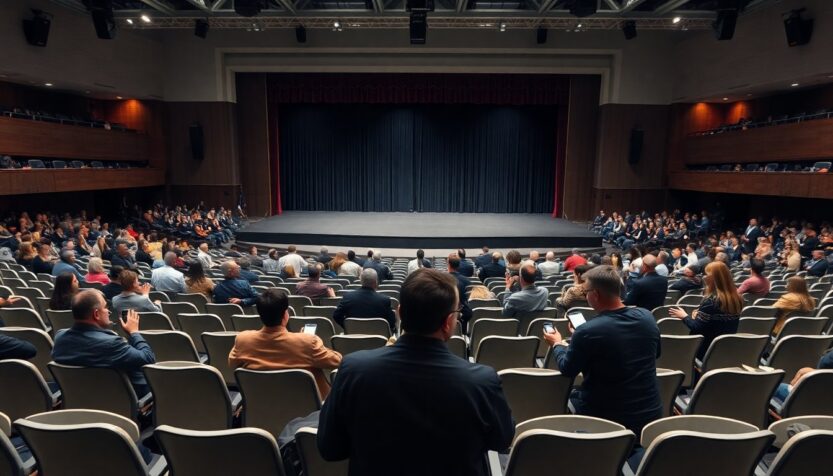
The conference once billed as the largest gathering of conservatives has a very different feel in 2026. Long known for boisterous afterparties, high-profile launches and viral moments, CPAC now confronts absences, internal disputes and dwindling youth engagement. Attendees still converge on big convention venues—this year at the Gaylord Texan Resort and Convention Center in Grapevine—but the atmosphere has shifted from a social whirl to a more sober, fractious forum. Observers point to a combination of missing celebrity draw, controversial speaker choices, and an older core audience as reasons for the change.
Memory of earlier years lingers: rowdy hotel parties, boat cruises, and an energy that sometimes felt more like a spring break scene than a policy confab. Voices from that era recall open bars and chaotic after-hours scenes; one organizer described a 2019 afterparty as an “absolute rager.” Yet the contemporary event struggles to recreate that magnetic pull. Ticket tiers advertised from $900 VIP packages up to $30,000 platinum experiences are not moving with the same ease, and the spectacle that once propelled politicians into the national spotlight is less reliable as a platform for cultural moments.
From carnival to conference: the shrinking spectacle
The transformation is visible in attendance and programming choices. Where once presidents and rising stars regularly used the stage—Ronald Reagan famously spoke in the conference’s inaugural year and Donald Trump turned his 2011 appearance into a political springboard—this edition saw many marquee names absent or ambivalent about participating. Reports indicated that President Trump would skip the event, and other high-profile figures such as tech leaders were also not present. The gap in headline talent makes the gathering feel smaller, and the viral moments that used to sustain cultural relevance are fewer and farther between.
Speakers, scandals and the generational gap
The 2026 roster reflected both continuity and division. On one hand, officials from the administration—like Secretary of Education Linda McMahon, HHS Secretary Robert F. Kennedy Jr., Secretary of Agriculture Brooke Rollins, and FCC Chairman Brendan Carr—appeared in programs. On the other, organizers booked controversial figures and online personalities that intensified internal disputes. The inclusion of Matt Gaetz and Steve Bannon fed factional fights within the movement, especially as Bannon’s past associations drew renewed scrutiny. These choices contrasted sharply with the aspiration to attract younger conservatives who seek clearer messaging and fewer scandals.
International casts and political signaling
To offset domestic turbulence, the conference leaned into global voices: exiled Iranian opposition leader Reza Pahlavi, conservative figures from Poland and Brazil, and the controversial sons of Jair Bolsonaro were among those slated to speak. Hardline advocates like Senator Ted Cruz and activists tied to hawkish foreign policy also had visible roles. For some attendees these international additions underscored a tougher foreign policy posture; for others they highlighted a disconnect between leadership priorities and the concerns of young conservatives focused on jobs, technology and cultural issues.
Youth, influencers and the future of the movement
Generational friction is perhaps the most consequential trend. Young conservative influencers with large online audiences are increasingly selective about their participation: some publicly declined to attend, noting that the conference no longer reflected their audience’s interests. Figures such as CJ Pearson voiced the hope that organizers will evolve, while other emerging commentators reported indifference. The roster of this year included several internet personalities—names like Benny Johnson, Nick Shirley, and Jack Posobiec—but critics argue that these selections appeal to niche online tribes rather than a broad new base.
Reputational costs and leadership questions
Organizational baggage has not helped. The long-running host group’s chairman, Matt Schlapp, faced allegations tied to his conduct on a Senate campaign; that matter was resolved with a reported $480,000 settlement in 2026. Whether through scandal, uneven programming or a failure to court a younger electorate, the brand’s cultural resonance has dulled. Veteran attendees who once treated the event as indispensable now describe it as tone-deaf, especially during moments of international crisis or economic strain, and some public relations professionals advise clients to skip the show altogether.
CPAC’s legacy remains undeniable—its stages launched major political careers and shaped conservative messaging for decades—but 2026 finds the institution at a crossroads. The questions are now practical: can organizers rebuild a slate that balances established officials, credible voices, and the influencers who move younger audiences? Or will CPAC continue to drift toward an aging, factionalized base while alternatives emerge online? How that balance is struck may determine whether the conference regains its former cultural force or becomes a relic of earlier political seasons.