



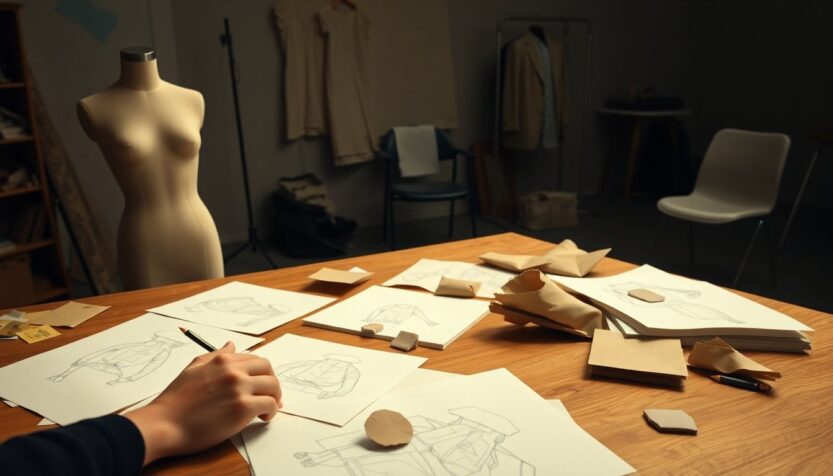
The new documentary directed by Sofia Coppola turns a camera toward the routines and reveries of Marc Jacobs, following the designer from initial sketches to the runway presentation of his spring 2026 collection. Rather than a conventional biography, the film stitches together archival clips—some showing Jacobs as a student at the Parsons School of Design in the 1980s—with present-day studio work, offering viewers both timeline and texture. Coppola, taking on her first feature-length documentary project, avoids an academic template and instead assembles an affectionate collage that highlights the playfulness and craft that define Jacobs’s career.
A collaborative history reframed
Their friendship began amid the turbulence of early 1990s fashion when Coppola first saw Jacobs’s Perry Ellis grunge show in 1992. That moment seeded both the creative arc of Jacobs’s career and a long-standing connection between artist and filmmaker. Coppola had recently compiled a retrospective of her own work, and when producers proposed a portrait of Jacobs, she accepted the challenge with curiosity. Producers and collaborators such as Jane Cha Cutler encouraged the project, believing it could capture the mutual sensibility the two share: an impulse to subvert tradition and to mix reverence with irreverence—think painted monograms, graffiti-covered trunks, or a punk spirit applied to heritage labels like Louis Vuitton.
How the film was made
Instead of assembling a large crew, Coppola chose a light touch, often filming with minimal equipment to preserve the intimacy of the studio. The documentary mixes candid backstage moments—conversations about the ten shades of beige tights, fittings, and fabric selection—with historic footage, creating a rhythm that feels like entering a private archive. Coppola wanted viewers to feel as if they were visiting Jacobs’s atelier, experiencing both the small, seemingly trivial decisions and the larger conceptual moves. The film also acknowledges a previous cinematic portrait: Jacobs had been the subject of a 2007 documentary directed by Loïc Prigent, but he agreed to this new project only on the condition that Coppola helm it.
Capturing candid moments
The director’s strategy was to be as unobtrusive as possible so people in the studio would remain themselves. That approach allowed for scenes that reveal Jacobs’s temperament—how he entertains playful debates about accessories, or grows unexpectedly reflective when revisiting past collections. Coppola’s camera records not only the glamor of the runway but the mundane and human: fittings, fittings that go awry, and late-night problem solving. Those details give the documentary a home-movie warmth even as it documents the mechanics of creating a major fashion presentation.
Archival material and creative lineage
Interwoven with current production footage are grainy clips and photographs that trace Jacobs’s trajectory, from student days at Parsons to the era-defining moments of the 1990s. The film revisits the lore around the Perry Ellis collection and explains, without sensationalizing, the more prosaic business decisions that followed. Coppola also frames specific projects—the collaboration with artist Stephen Sprouse and the decision to reinterpret monogrammed trunks—as examples of Jacobs’s tendency to disrespect convention by reworking established icons into something new and subversive.
Performance, memory, and the present
The documentary gives space to memorable episodes in Jacobs’s past: celebrity moments that became cultural shorthand, the choreography of a fall 2026 show that paired a dance collective with fashion styling, and the quieter stories that shaped his point of view. Coppola’s film emphasizes how Jacobs balances nostalgia and invention—how the past repeatedly informs his present without turning him into a caretaker of memory. The result is not a career summary but rather a portrait of ongoing practice: the human labor behind a label, the friendships that sustain it, and the small rituals—fabric swatches, fittings, debates about tights—that make a collection come alive.
Ultimately, the film reads as a love letter from one artist to another: it’s intimate, sometimes playful, and at times reverent without being reverential. For audiences interested in the mechanics of fashion, the chemistry of long creative partnerships, or the ways a designer revisits and reimagines his own history, this documentary offers a layered, affectionate view into the world of Marc Jacobs as seen through the observant eye of Sofia Coppola and housed within the collaborative atmosphere of contemporary studio life.