

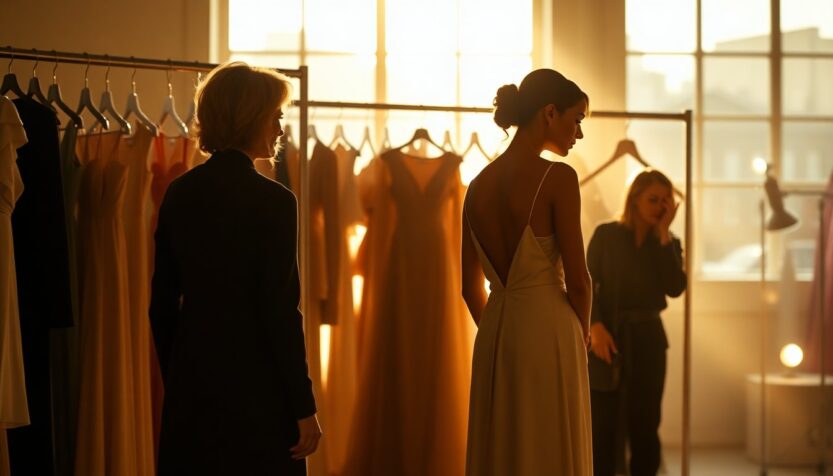
The anticipation around The Devil Wears Prada 2 has been building as familiar faces prepare to revisit the world of Runway Magazine. After the cultural impact of the original film, released in 2006, the core ensemble—Meryl Streep, Anne Hathaway, Emily Blunt and Stanley Tucci—returns for a new chapter. The sequel is scheduled to hit theaters on May 1, and its release comes with renewed attention to how the cast navigated the original production and how that legacy shaped their careers.
One unexpected detail shared by the cast sheds light on those early days: Emily Blunt has said she was intimidated by Meryl Streep during the first film. Streep’s focused approach left an impression on colleagues; Blunt recalled that Streep was often deeply concentrated and in a particular creative state. That concentrated performance energy became a memorable part of the set atmosphere, a dynamic that later gave way to mutual respect and friendship between the two actors as they continued working together.
On-set dynamics and the “Miranda zone”
The legend of Miranda Priestly’s exacting persona extended off-screen at times when Meryl Streep inhabited the role. Cast members described Streep as entering what Emily labeled the Miranda zone, a focused state in which her portrayal adopted precise rhythms and a signature laugh that signaled a deep immersion in character. The term Miranda zone functions as a shorthand for a kind of professional intensity: performers who are concentrated on a complex part and limit casual moments in order to preserve a performance’s integrity.
How intensity shaped collaboration
Even though that intensity could feel intimidating initially, it did not prevent the development of camaraderie. Over time Emily Blunt and Meryl Streep found a working friendship, and that professional closeness contributed to the original film’s lasting chemistry. For Blunt, the experience of acting opposite Streep and being chosen by director David Frankel transformed her trajectory; Frankel’s belief in casting an then lesser-known actor proved pivotal in presenting Blunt as more than a period-drama performer.
Returning cast, new additions and cameos
The sequel reunites many familiar talents while also introducing fresh faces. Alongside returning leads Streep, Hathaway, Blunt and Tucci, the new film brings performers such as Simone Ashley and Kenneth Branagh into the Runway world. Cameos and guest appearances continue the film’s connection to the fashion industry, with figures like Donatella Versace featured briefly. These new layers aim to connect older fans with a generation of newer industry personalities and on-screen assistants.
Supporting players and on-set reactions
New cast members and cameo performers commented on the experience of working with the original stars, often describing it as a learning opportunity. For example, the comedian and writer Caleb Hearon appears as one of Miranda’s assistants, and content creator Amelia Dimoldenberg makes a small on-screen appearance. Their presence illustrates how the sequel bridges the movie’s established world with emerging voices who were influenced by the first film.
Legacy, audience response and content notes
The original movie has enjoyed multi-generational affection, and that phenomenon carried into filming for the sequel. Cast members noted moments when crowds gathered during location shoots, signaling that public interest remained high. Critics and attendees have also highlighted how returning to these characters allowed the actors to reflect on the film’s career impact—especially for Blunt, whose role opened doors beyond her earlier work and allowed her to pursue a wider range of character parts.
Practical information accompanies the excitement: theaters and cinemas have issued standard advisories. Some sequences in The Devil Wears Prada 2 contain flashing lights that could affect viewers sensitive to such imagery, prompting warnings for those with photosensitive epilepsy. Audiences planning to attend screenings on May 1 are encouraged to review local advisories and access options. As the film arrives, it renews attention to how an intense on-set environment, career-defining casting choices and star-powered reunions can combine to create both cinematic nostalgia and fresh storytelling.