
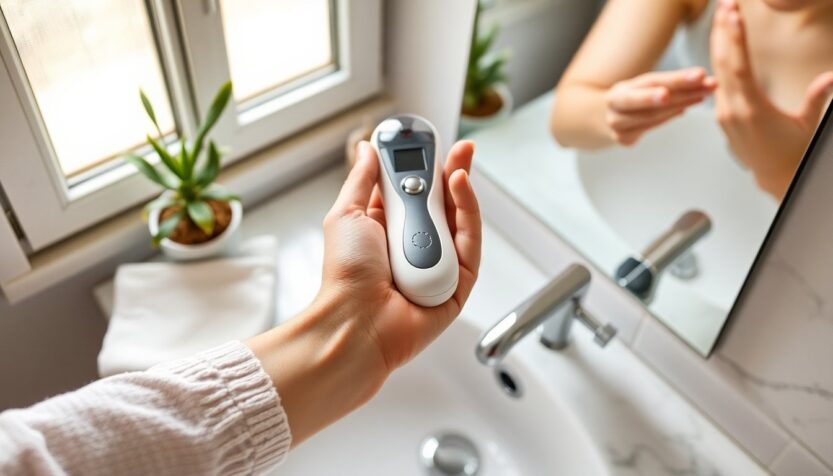
I have a long history of experimenting with at-home beauty tools, from early YouTube fads to current viral sensations. Recently, a particular K-Beauty device has been appearing everywhere on my social feeds, promising a salon-like boost at home. Curious and slightly skeptical, I decided to test it over several weeks to understand whether it lives up to the hype, how it integrates with typical products, and which skin types might benefit most. My experience focused on real-world use, consistency, and observable changes rather than glossy marketing claims.
This piece breaks down practical observations, the device’s key features, and actionable tips for anyone considering adding a similar gadget to their skincare routine. I’ll also cover safety notes, what to expect during treatments, and whether such devices justify their price compared with professional options.
What the device claims and the core technology
The model I tried advertises multiple modes and combines several technologies that are common in the category: microcurrent for muscle stimulation, LED light therapy for skin tone, and gentle radiofrequency or vibration in some settings. For clarity, microcurrent is a low-level electrical stimulation intended to stimulate facial muscles and circulation, while LED therapy uses specific wavelengths of light to target concerns like inflammation or dullness. Understanding these terms helps set realistic expectations: these technologies often support gradual improvements rather than overnight miracles.
In use, the device feels lightweight and ergonomically shaped for maneuvering around the jawline, cheeks, and brow. Modes are selectable through a simple panel, and recommended treatment times range from a few minutes up to ten minutes per zone. The manufacturer’s guidelines emphasize consistent use and pairing the device with conductive gel or a hydrating serum to ensure smooth gliding and efficient energy transfer.
My hands-on experience and results
During the first week, the most noticeable effect was improved product absorption when I used the device after applying a serum. The massage-like motion and mild electrical pulses seemed to press active ingredients deeper into the skin. After three weeks of regular sessions, I observed a subtle lift around the lower cheek area and slightly firmer texture These changes were nuanced—definitely noticeable in photos taken before and after consistent use but less dramatic in the mirror from day to day.
While LED modes helped reduce occasional redness, they didn’t resolve persistent pigmentation. Similarly, the microcurrent setting improved facial tone but did not replace the effects of targeted professional treatments. In short, the device delivered modest, cumulative benefits rather than instant transformations.
Comfort, safety, and skin reactions
Comfort is a major factor when introducing any tool into a regimen. I found the sensations pleasant for most settings; the microcurrent created a faint tingling that was never painful. Prior to regular use, I performed a patch test around the jawline to rule out sensitivity. For anyone with active acne, open wounds, or certain medical devices, consult a dermatologist or physician because some technologies are contraindicated. The device’s manual also stresses avoiding direct contact with irritated skin and following usage limits to reduce the risk of overstimulation.
How to incorporate it into a routine
If you decide to try a similar device, consider these practical steps: start with clean skin, apply a conductive medium like a gel or hydrating serum, and focus on short, consistent sessions rather than sporadic marathon treatments. Pairing the device with sunscreen during the day is essential since some modes can increase photosensitivity. For a balanced approach, use the tool 2–4 times weekly and maintain your basic cleansing, moisturizing, and sun protection practices.
Expect the best outcomes when the device complements evidence-based topical treatments—retinoids, vitamin C, and hydrating humectants—rather than trying to replace them. Devices work synergistically with good ingredients and professional guidance, especially for complex issues like deep wrinkles or significant hyperpigmentation.
Who should consider this device
Ideal candidates are people looking for incremental improvements, enhanced product absorption, and a noninvasive addition to their regimen. If you want dramatic, immediate changes, professional procedures will be more effective. Budget-conscious users should weigh cost versus frequency of use and read warranty and return policies carefully. For many, the device offers a satisfying, low-risk way to boost at-home care and maintain results between salon visits.
After consistent testing, my conclusion is pragmatic: the viral device can be a useful supplement to a solid skincare routine, delivering subtle firming, better serum penetration, and calmer skin tone when used properly. It is not a miracle cure, but it does provide tangible, cumulative benefits for committed users. Prioritize safety checks, realistic expectations, and synergy with proven topical ingredients to get the most value from this category of beauty technology.