

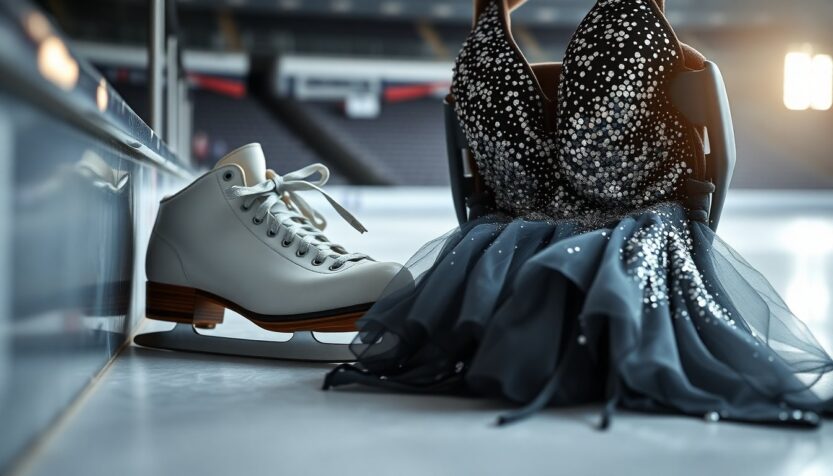
Milano Cortina 2026 left a different kind of legacy. Beyond medals and records, the Games turned athletes into cultural moments—stylists, storytellers and social-media sparks as much as competitors. Between daring costumes, cinematic on-ice moments and carefully managed off-ice appearances, sport, style and stardom braided together, keeping conversations alive long after the final lap.
Alysa Liu was a clear example of that crossover. She arrived as a top contender and delivered the technical elements people expected: high-rotation jumps, crisp landings and choreography that scored. But what made her stick in people’s minds was the whole package. Music choices, costumes and the way she presented a routine transformed single performances into memorable vignettes—pieces that fans clipped, remixers reused, and sponsors noticed. For Liu, skating became both athletic triumph and cultural statement.
The same phenomenon surfaced across the field. Milano Cortina introduced viewers to new faces who didn’t need a podium finish to become conversation starters. A bold costume detail, an emotional recovery after a fall, or a joyful embrace in the kiss-and-cry could be distilled into a seconds-long clip that traveled around the world. In today’s sports ecosystem, those brief, highly shareable moments can matter as much as a scoreline: they build followings, attract endorsements and create narratives that last between seasons.
Presentation now carries real weight. Athletes who cultivate a recognizable look, a signature entrance or recurring motif keep attention alive in the off-season, converting visibility into tangible opportunities—sponsorships, storytelling angles for broadcasters, and loyal fan communities. That attention isn’t just glitter; it shapes careers.
Another striking trend was the rise of small, visible cliques: training partners who cheered each other on, rivals who hugged in public, groups that felt like friend circles. Those relationships are easy for fans to latch onto. Nicknames, shared edits and inside moments feed engagement and give producers simple, human storylines to extend broadcasts. When a handful of athletes connects emotionally with audiences, their combined appeal can change how a sport is perceived—and even shift what success looks like.
On the ice, Milano Cortina nudged the technical bar upward. Skaters tried riskier rotations, more complex entries and smoother transitions, reflecting shifts in coaching philosophy, better access to sports science and closer collaboration between choreographers and biomechanists. The ripple effects are immediate: selection criteria get tighter, training programs are rewritten, and broadcasters must figure out how to show risky elements without glamorizing danger. And because viral clips can fix a single breakthrough in the public imagination, one technical leap can quickly recalibrate expectations of elite performance.
That heightened visibility comes with a double edge. Fame opens doors—endorsements, media opportunities, bigger fanbases—but also brings scrutiny and pressure. As attention on aesthetics and personality grows, coaches, federations and support teams must balance the push for progress with the athlete’s long-term health and mental wellbeing.
Milano Cortina didn’t just hand out medals. It reshaped the conversation around what athletes are and can be: competitors, curators of image, and cultural figures whose moments—on and off the ice—reverberate far beyond a scoreboard.