
The disappearance of Nancy Guthrie from her Tucson residence on February 1, 2026 prompted a nationwide conversation about how we guard our private spaces. High‑profile cases often expose gaps in systems we take for granted, from camera storage policies to neighborhood awareness. While investigations continue in specific cases, there are tangible, everyday measures we can adopt to increase our sense of security without turning our homes into fortresses.
In the paragraphs that follow you will find a blend of practical home security upgrades, legal and privacy considerations around cloud‑based surveillance, and simple behavioral changes that protect you right now. These suggestions are designed for people who live alone, especially older adults who value independence, and for families who want to be proactive about safety without sacrificing comfort.
Rethink your household protections
Start with visible, low‑effort changes that alter the risk profile of your property. Upgrading to a reinforced door or adding a high‑quality deadbolt is a classic move that makes forced entry much harder. Motion lights and trimmed landscaping remove cover for anyone approaching your home, and a door brace or wedge can offer extra peace of mind overnight. These adjustments are about shifting the odds in your favor; they don’t require major renovation but they do create deterrent layers that discourage opportunistic intrusions.
Everyday habits that add protection
Security habits are often free and effective. Keep exterior doors locked even when you are inside, check peepholes or doorbell cameras before answering, and avoid broadcasting detailed routines on social media. Use timers for lights when you travel and ask a trusted neighbor to collect mail or packages. These small routines create ambiguity for anyone watching and make your home look occupied — a simple but powerful form of passive security.
Technology: useful tools and privacy trade-offs
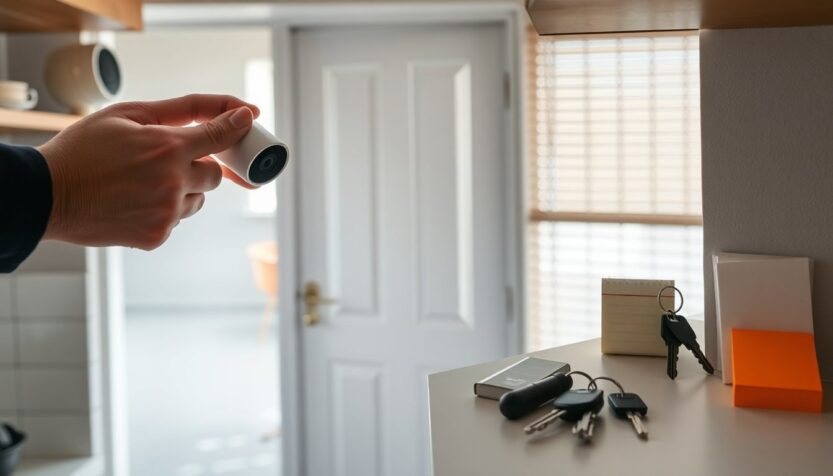
Camera systems, smart locks, and sensors have changed the way people monitor their homes. Modern options range from professional alarm companies to DIY devices that you install yourself. A visible camera or a doorbell cam can be a strong deterrent; footage from these devices can also be invaluable evidence for investigators. Yet the rise of cloud storage and AI‑driven features introduces privacy questions: who controls your recordings, how long they are retained, and under what circumstances law enforcement can access them?
Cloud storage, access and legal points
Many doorbell cameras upload clips to manufacturer servers; in certain cases that data has been retrieved for criminal probes even when users believed footage was deleted. Law enforcement commonly seeks recordings through homeowner consent or by obtaining a warrant or subpoena when consent is withheld. Emergency disclosures to companies can also occur if there is an imminent threat. For camera owners this means you should review your storage plan, privacy settings, and the terms of service so you understand how long video is retained and who might be able to obtain it.
Alternatives and complements to cameras
If you are uncomfortable with continuous video, there are other effective safety tools. Personal alarms that emit loud tones, pepper gel (where legal), powerful flashlights with strobe modes, and smartphone SOS functions provide options that do not rely on weapons. Medical alert devices with fall detection can be lifesaving for people with mobility concerns. Each tool has trade‑offs; choose what matches your comfort level and legal context, and keep them accessible.
Community and confidence
Independence thrives with connection. A trusted check‑in buddy, neighborhood groups that exchange camera clips when appropriate, and local self‑defense classes build social and practical resilience. Situational awareness — noticing unfamiliar vehicles or people, trusting your instincts, and using a firm voice through a closed door — is one of the most immediate defenses you already possess. Building relationships with neighbors and local service providers reduces the likelihood of allowing unknown individuals into your home.
Balancing readiness with peace of mind
Living alone does not have to mean living in fear. Thoughtful preparation — combining basic hardware upgrades, mindful habits, selective technology use, and community ties — can restore a sense of control. High‑profile cases like the Guthrie disappearance underscore the importance of being prepared, but they also remind us that small, consistent measures often provide the best protection. Empowerment comes from making choices that match your values and lifestyle.
If you own a smart doorbell or camera, review your account and retention settings, choose what you share with investigators, and consider simple physical and behavioral steps to harden your home. Safety is both a practical and emotional practice: with the right tools and routines, your home can remain a comfortable sanctuary.