



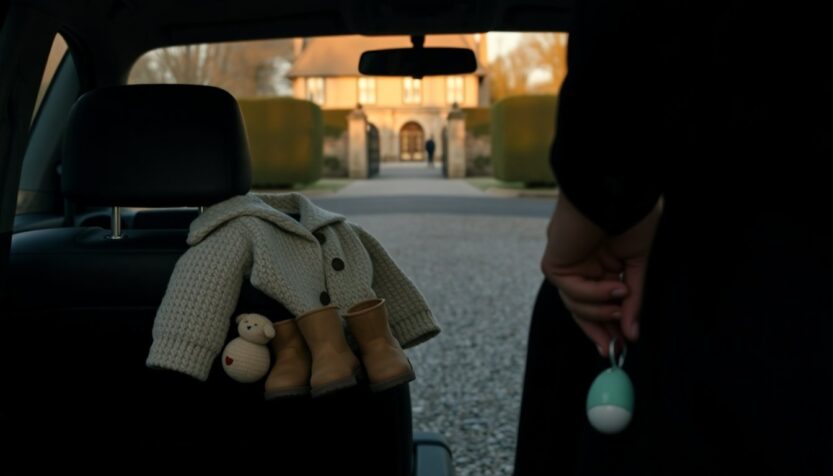
The story centers on a personal desire that has diplomatic and procedural layers. At its heart, the Duke of Sussex is reported to want family time that includes bringing his children, Archie and Lilibet, back to the United Kingdom to meet their grandfather, King Charles. According to media briefings, the youngsters have not visited Britain with their parents since the 2026 events marking Queen Elizabeth’s platinum jubilee, and while Harry has seen his father on occasions, the full family reunion has not occurred. The question raised repeatedly is not whether there is willingness on either side but how to do it safely and within the constraints of royal protocols.
Those close to the duke emphasize that the missing piece is a reliable protective arrangement. The reports say Harry would consider returning with his family if an enhanced security package were in place. Opponents in and around the palace counter that suggesting security as a precondition looks like leverage, with some sources publicly reacting with alarm at the idea that grandchildren could be positioned as bargaining chips. What follows is a breakdown of the practical hurdles, the institutional actors involved, and the plausible outcomes if an invitation were extended.
Why Harry wants the children to visit
From Harry’s perspective the case is straightforward: he hopes to give his children a connection to the place where he grew up and to close family members in Britain. Supporters say he wants to show Archie and Lilibet their family roots and allow them to meet relatives in person after long stretches apart. That motivation is framed as a personal and parental wish rather than a political gambit. Still, because the family split and the couple’s relocation created new security realities, what might once have been a private visit now triggers institutional checks that complicate even modest reunions.
Security: the core practical obstacle
The dispute revolves around protection arrangements and who controls them. Harry and his team insist there is no scenario in which he would bring his children to the U.K. without appropriate armed protection for the family. Critics argue that the request for a full, predictable security envelope amounts to pressure on the monarchy. The two sides thus frame the same fact differently: one sees parental duty and risk mitigation, the other sees tactics to force royal concessions. Both agree, however, that public safety and the reputation of the institution are central considerations in any decision.
RAVEC and the security machinery
At the center of the operational debate sits the Royal and VIP Executive Committee — RAVEC — the body that assesses threat levels and authorizes protective resources. Supporters of the palace position emphasize that RAVEC exists to impartially weigh security needs and that the king would not unilaterally override committee processes. Harry’s camp has countered by saying a formal royal invitation would trigger a predefined security package, which could simplify arrangements for a family visit. That interplay between committee procedure and royal discretion is where much of the present impasse rests.
Family dynamics and possible outcomes
Beyond the procedural arguments lie deeper relational strains: the duke’s ties with his father and brother have been described as improving in some respects yet remain fragile. Some palace voices have portrayed the security stance as emotional leverage; Harry’s allies maintain it is an unavoidable safety priority. Realistic resolutions range from a bespoke, time-limited security arrangement tied to advance notice to a more formal invitation to Sandringham or Balmoral that would trigger standard royal protection. Observers suggest a hybrid compromise is the most likely path forward, one that stops short of restoring the pre-2026 freedom to travel with an automatic security retinue.
What an invitation could look like
An invitation from the king, framed as a private family visit on royal property, could activate the type of coverage that both sides debate: the palace could provide an agreed protective package while retaining oversight through RAVEC and customary procedures. Conversely, a public showdown about terms risks hardening positions and making a delicate reunion harder to arrange. For now, whether Archie and Lilibet return to the U.K. depends on a blend of operational guarantees and the willingness of both family and institution to find common ground without public escalation.