
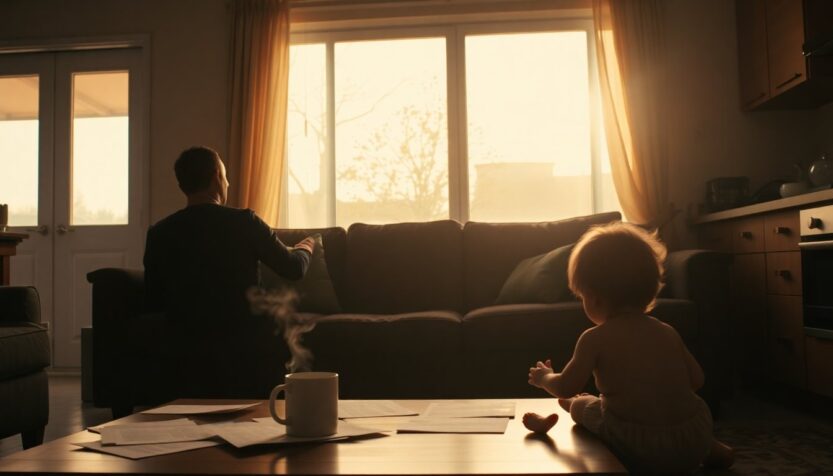
I want to begin with a small, honest image: sometimes I catch myself staring into the middle distance with a look I try hard not to wear. That expression is the residue of long days, logistical juggling, and emotional vigilance. The last three years have felt less like a chapter and more like a survival manual rewritten daily. In those years I have learned to navigate systems, celebrate tiny wins, and carry an acute protective attention for my daughter. I do not want pity; I want understanding. The daily realities of caregiving include therapy schedules, sensory strategies, and constant advocacy, and they coexist with deep joy and fierce pride in my child’s progress and personhood.
What I wish people understood
There are practical truths beneath the surface of most conversations about autism. Sensory sensitivity, unpredictable meltdowns, and reliance on routines are not shortcomings but part of a lived experience. An autistic child may respond to lights, sounds, or touch in ways that seem extreme to neurotypical observers; those responses often signal overwhelm, not willful misbehavior. We juggle appointments—speech, occupational, behavioral—and we design environments to reduce triggers. Paperwork, waitlists, and limited service availability create a background stress that few outside our household witness. Simple awareness—awareness that a sudden scream might be a sign of sensory overload rather than a tantrum—changes how people react and can make everyday life gentler for everyone involved.
Small acts that matter
Not every helpful gesture is monumental. Offers of practical support—bringing a meal, watching my daughter for an hour, or dropping off a quiet toy—have real impact. Comments like “How do you do it?” can feel distancing; instead, concrete questions such as “Can I take her for a short walk?” or “Would you like me to pick up groceries?” are immediately useful. Please resist staring or whispering; visible judgment amplifies isolation. When you see us in public, your compassion and discretion make outings possible. Over time, these small mercies accumulate into a form of community that sustains parents and children alike, helping us move beyond mere survival toward a more livable normal.
What to avoid and what to ask
There are specific things that create harm even when well intended. Avoid unsolicited advice that frames autism as a problem needing to be fixed, or comparisons that suggest different parenting would be the solution. Instead, an honest question—“What do you need right now?”—is powerful. If you want to help, offer a specific form of support and be ready to follow through. Respect boundaries around sensory needs and communication styles; a child’s refusal to engage may be a request for space rather than rudeness. These shifts in behavior—from pity to practical assistance, from assumptions to questions—are simple but transformative.
Seeing strengths alongside challenges
It is vital to recognize that a focus on difficulty does not capture the whole person. Many autistic children possess intense curiosity, unique problem-solving skills, and a capacity for deep affection. Embracing neurodiversity means appreciating these strengths while also acknowledging real needs for support. We advocate for educational accommodations, sensory-friendly spaces, and insurance that covers essential therapies so our children can thrive. Acceptance does not mean ignoring challenges; it means addressing them without erasing the individuality and potential that coexist with them. When society shifts from trying to normalize behavior toward creating inclusive environments, everyone benefits.
Community and policy matter
Beyond individual acts of kindness, structural changes are necessary. Accessible services, timely assessments, and schools equipped to support diverse learners reduce the daily strain on families. Respite for caregivers, fair insurance coverage, and public spaces designed with sensory differences in mind are not luxuries; they are investments in community well-being. Joining advocacy efforts, supporting inclusive policies, and listening to families’ experiences help translate empathy into long-term change. I write this not to ask for sympathy, but to invite allyship: small compassionate gestures, combined with systemic improvements, create the conditions where children like my daughter can flourish.
Ultimately, my message is simple: look for the person beneath the label, offer practical support instead of platitudes, and remember that surviving is not the same as thriving. There is grief and exhaustion in this life, yes, but also laughter, discovery, and love that reshape what I thought possible. If you want to know how to help, start by asking, listen carefully to the answer, and then act. This essay originally appeared on Cup of Jo. Published: 29/04/2026 20:07.