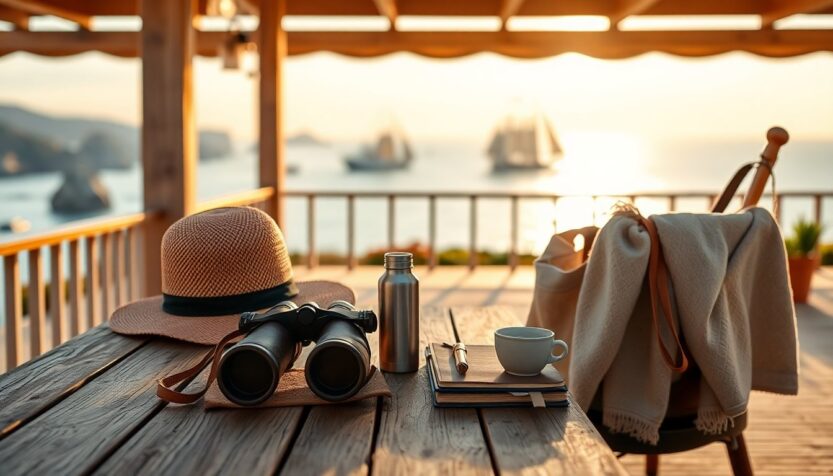
The idea of adventure often conjures images of high-speed thrills or distant expeditions, but the meaning of exploration shifts over time. For many people, adventure after 60 keeps its spark without always demanding extreme physical feats. What changes is the emphasis: comfort, intention, and connection take a leading role. Older travelers frequently trade constant adrenaline for curated experiences that still push boundaries—just in gentler, more sustainable ways. This piece unpacks those changes and shows how travel after 60 can be as vivid and transformative as any youthful escapade through a different lens.
Shifting priorities shape how we seek novelty and challenge. Instead of measuring success by destinations checked off a list, many opt for depth: lingering in one town to learn its rhythms, joining a community project, or following a seasonal bloom. That approach often pairs with practical adjustments like pacing, medical planning, and choosing companions wisely. Framing these choices as deliberate rather than limiting reframes the whole trip. The term slow travel describes this deliberate pace, while senior adventure signals that age adds a layer of intentionality rather than taking away the capacity for wonder.
Why the nature of adventure shifts with age
Biological changes, life experience, and altered responsibilities reorganize how we assess risk and reward. Physically, stamina and recovery times may require different itineraries, which is why sensible planning becomes essential. Psychologically, decades of travel and life lessons often move priorities toward meaningful interactions and cultural immersion. Financially, some people have greater resources and choose quality over quantity, while others prefer local or regional trips that stretch budgets and reduce stress. Recognizing these factors makes it easier to design outings that satisfy curiosity while respecting limits. Embracing those realities is not surrender; it is a way to amplify satisfaction in new directions.
Reframing risk, pace, and reward
Adventure doesn’t disappear when risk tolerance changes; it is simply reassessed. Rather than chasing high-consequence thrills, many find excitement in well-planned challenges such as multi-day trains, guided hikes with ample rest, or learning a new craft abroad. The important skill is adaptation: choosing routes, guides, and itineraries that honor physical needs while providing novelty. Tools like better gear, reliable local contacts, and travel insurance make it possible to push gently beyond comfort zones. By treating risk tolerance as adjustable rather than fixed, travelers can access a range of experiences that feel both bold and sustainable.
What adventures look like now in practice
Practical examples highlight how the same term—adventure—can mean very different things by stage of life. Some people substitute extremes like mountaineering for immersive cultural stays, culinary explorations, or birdwatching trips that focus on observation and learning. Others choose short, frequent escapes close to home, turning weekends into exploratory mini-expeditions. Volunteering abroad, genealogical journeys, and arts residencies transform travel into purposeful exploration. These activities deliver the psychological benefits of novelty and mastery without insisting on peak physical performance, demonstrating that the heart of adventure is often curiosity and engagement rather than intensity alone.
Micro-adventures and deeper engagement
A practical trend is the rise of the micro-adventure: accessible, low-cost outings that satisfy a craving for newness. Day hikes to a new lookout, a weekend exploring a neighboring town’s history, or a workshop with local artisans all qualify. These choices emphasize connection, learning, and presence. They also make logistics simpler—less packing, shorter travel times, and lower health risks. That reduces barriers and increases the frequency of meaningful experiences. Frequent, manageable adventures can add up to a rich life of exploration without the exhaustion of non-stop, high-intensity travel.
Practical tips to design satisfying trips after 60
Designing trips that fit evolving priorities is both art and logistics. Start by clarifying goals—are you seeking solitude, cultural exchange, or active learning? Use that clarity to choose destinations, companions, and pacing. Pack smart with quality footwear, medication organizers, and travel documents in easily accessible places. Book refundable options when possible and consult healthcare providers about vaccines and precautions. Consider travel companies that specialize in older adults or small-group itineraries. Finally, leave space for unscheduled moments; some of the richest discoveries happen when plans are flexible and curiosity leads the way.
Adventure after 60 keeps its potential to surprise and delight, but the shape of those experiences often bends toward meaning, comfort, and connection. Whether you prefer long stays in a foreign neighborhood, short regional getaways, or projects that combine travel with purpose, the key is to design trips that align with your current energy and interests. Published: 10/04/2026 21:33. With thoughtful planning and an open mind, adventure after 60 can be a vibrant, ongoing chapter rather than a finale.