
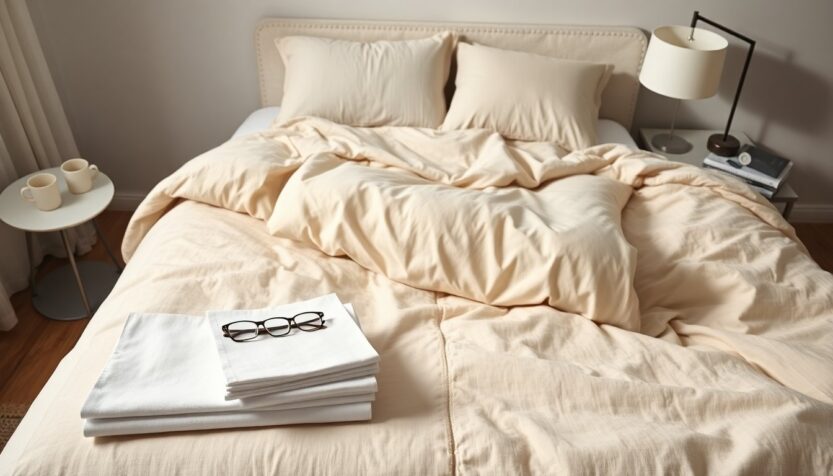
Brooklinen sale offers a timely prompt for bedding upgrades
Who: Brooklinen, a direct-to-consumer bedding brand, is holding a promotional sale that presents an opportunity for consumers to replace worn linens.
What: The sale reduces prices on core bedding items such as sheets, duvet covers, and pillowcases. Shoppers can use this period to prioritise key pieces and select materials suited to their sleep needs.
When and where: The promotion is available through Brooklinen’s official channels and online store. Timing details and exact discounts vary by event and inventory.
Why it matters: Better bedding can improve comfort and sleep quality. From an ESG perspective, selecting higher-quality or more sustainable fabrics can reduce replacement frequency and lifetime environmental impact.
Why shoppers should consider an upgrade now
Clean, comfortable sheets directly affect the nightly sleep experience. Replacing linens that are thin, pilled, or missized restores comfort and can complement broader bedroom improvements.
Sustainability is a business case: choosing durable fabrics or certified organic materials can lower long-term costs and scope 3 emissions tied to frequent replacements. Leading companies have understood that responsible product choices align with both customer demand and operational resilience.
Practical priorities for buyers
Focus first on items that show the most wear or that most affect sleep: core sheets, the duvet or comforter, and pillows. Correct sizing ensures fit and comfort and avoids unnecessary returns.
Material choice should reflect personal preference and climate. Lightweight cottons and linen suit warmer environments. Brushed cottons and flannels provide insulation in cooler climates. Consider lifecycle impacts and wash care when comparing options.
How to make the sale work as an investment
Assess durability and care requirements before purchase. A modest premium for longer-lasting textiles can pay off through reduced replacement frequency. From a business case perspective, durable bedding reduces total cost of ownership.
Prioritise pieces that will deliver daily benefit and fit existing bedroom dimensions. Keep washing and care practices aligned with manufacturer guidance to preserve fabric performance.
Keep washing and care practices aligned with manufacturer guidance to preserve fabric performance. Choosing the right bedding begins with clear priorities: comfort, durability and long-term value.
How to choose the right bedding
Start with the fabric. Natural fibers such as cotton and linen breathe well and often last longer than synthetics. Microfiber can feel soft but may trap heat. Consider the weave: a percale weave yields a crisp, cool finish, while sateen offers a smoother, silkier hand.
Assess durability through objective markers. Thread count can be misleading beyond certain thresholds. Look instead for information on fabric weight, yarn quality and construction. These elements better predict how sheets withstand repeated washing and use.
Fit and finish matter. Measure mattress depth and check envelope or elastic details on fitted sheets. Pillowcases and duvet covers should match your pillow and duvet dimensions to prevent shifting and premature wear.
From an ESG perspective: materials and lifecycle
Sustainability is a business case when mattress and bedding purchases reduce replacement frequency and downstream waste. Choose materials with transparent sourcing, third-party certifications and clear end-of-life options. From an ESG perspective, prefer suppliers that disclose scope 1-2-3 emissions and support circular design.
Consider the full lifecycle. A lower-impact fabric with a longer usable life can produce smaller cumulative environmental costs than a cheaper, short-lived alternative. Look for brands that publish life cycle assessments (LCA) or adhere to reporting frameworks such as GRI or SASB.
Practical buying tips
Test where possible. Order single items before committing to full sets. Pay attention to return policies and trial periods. Maintain a consistent care routine to extend performance: cool washes, gentle detergent and line drying when recommended.
Prioritize value over marketing. Leading companies have understood that clear product specifications, transparent sourcing and robust warranties build trust and reduce costly returns. Assess the sale price against these factors rather than choosing solely on discount depth.
Next steps: compare product specifications, verify certifications and select a combination of materials and constructions that align with your comfort needs and your household’s care habits.
Continue by confirming certifications and matching construction to household routines. Verify labels such as GOTS or OEKO‑TEX to check chemical and social standards. Prioritise fabric finishes that resist pilling and fading when frequent laundering is expected.
Size, fit, and layering
Measure mattress depth and account for toppers before buying fitted sheets. Poor fit shortens product life and reduces sleep comfort. Choose elasticised corners or deep pockets for thicker beds.
Layering affects thermal comfort and maintenance. Use a lightweight top sheet or thin blanket in warmer months and add a duvet or quilt for winter. Select interchangeable layers that can be washed independently to extend service intervals.
From an ESG perspective, prefer modular systems that enable repair or selective replacement of worn elements. Sustainability is a business case: modular bedding reduces waste and often lowers total ownership costs.
For households with allergy concerns, opt for tightly woven outer layers and removable, washable protectors. Select materials with low allergen retention and confirm that finishes are free from respiratory irritants.
Leading companies have understood that combining transparent certifications with practical design drives consumer trust. Look for clear care instructions and warranties that reflect real-world laundering.
Next steps: prioritise fit and layering choices that match your climate, laundering habits and longevity goals. Expect manufacturers to offer more circular-design options as demand for repairable, verifiable bedding grows.
Expect manufacturers to offer more circular-design options as demand for repairable, verifiable bedding grows. Practical decisions now determine whether those options are adopted at scale.
Measure mattress depth before purchase and compare it with the fitted sheet dimensions shown on product pages. Deep-pocket options matter for thicker mattresses and added toppers. A sheet that fits reduces bunching and eliminates repeated tucking.
Plan bedding layers so each piece performs a clear function. Start with a solid base sheet for hygiene and ease of laundering. Add a lightweight summer duvet and a heavier cover for cooler months. Choose materials with known lifecycle impacts and check whether suppliers publish an LCA or circular-design roadmap.
Invest in coordinating pillow shams and a duvet cover during promotional periods to maximise value. Buying matching pieces in a sale often lowers total cost and speeds up a cohesive room refresh.
From an ESG perspective, prioritise products with transparent supply chains and repairability features. Sustainability is a business case when reduced replacement rates cut procurement and waste-management costs. Leading companies have understood that integrating durable, verifiable bedding into procurement policies delivers environmental and financial returns.
Leading companies have understood that integrating durable, verifiable bedding into procurement policies delivers environmental and financial returns. Sustainability is a business case, and that perspective shapes how consumers should read fabric labels. Percale denotes a plain weave that produces a matte, breathable surface. Sateen indicates a weave with greater sheen and a silkier hand. Linen is valued for breathability and a relaxed, lived-in appearance; it becomes softer with use. Long-staple and Egyptian cotton varieties offer greater durability and a softer feel. When navigating the Brooklinen sale, prioritize listings that specify fabric origin and fiber length, since those details indicate likely long-term performance from an ESG perspective.
Care tips to extend the life of new linens
Proper care reduces replacement frequency and lowers lifecycle impacts. Wash linens on gentle cycles with mild detergent to protect fibers. Avoid high heat when drying; tumble-dry low or line-dry to limit shrinkage and fiber stress. Use mesh bags for delicate items and wash similar colors together to prevent transfers. From a procurement standpoint, track wash performance and adjust supplier specifications to reflect observed durability. Leading companies have tied care guidance to product labeling and consumer education to increase longevity and reduce scope 3 emissions.
Leading manufacturers now link care instructions to product labels and consumer education to extend lifespan and cut scope 3 emissions. Sustainability is a business case, and clearer guidance reduces returns and waste while improving customer satisfaction.
Storing and maintaining quality
Wash new bedding before first use to remove manufacturing residues and to soften fibers. Use a gentle detergent and set the machine to a mild cycle. Do not overload the drum; crowded loads clean and rinse poorly. Remove items promptly at the end of the cycle to limit creasing and microbial growth.
Dry according to the fiber recommendations on the label. Use low tumble heat for mixed fibers and line dry when linen or delicate fabrics are specified. High heat can weaken elastic in fitted sheets and shorten fabric life over repeated cycles. Rotating two or three sets reduces friction and extends usable life for each set.
Store bedding in a cool, dry place away from direct sunlight. Avoid sealed plastic bags that trap moisture and promote mildew. Use breathable cotton storage bags or cotton pillowcases to protect items while allowing air exchange. Natural repellents such as cedar blocks deter moths without chemicals.
From an ESG perspective, clear care labels and consumer outreach deliver measurable benefits. They lower replacement rates, reduce laundering energy, and cut upstream emissions measured in product life-cycle assessments. Leading companies have understood that practical care guidance is part of product stewardship.
For procurement teams, require durable materials, clear labeling, and washer-friendly specifications in supplier contracts. Track product longevity through warranty claims and user surveys to refine specifications. The next development to watch is wider adoption of standardized care labeling tied to LCA data and corporate sustainability reporting.
As manufacturers move toward standardized care labels linked to LCA data, consumer choices about storage and purchase matter for longevity and emissions. Sustainability is a business case, and clear care guidance supports product durability while reducing waste.
Store linens in a cool, dry place away from direct sunlight to prevent yellowing and fiber breakdown. Fold or roll sheets to reduce creasing and choose a breathable bag instead of plastic to avoid trapped moisture. Tuck a natural sachet into the stack to preserve freshness, avoiding strong fragrances that can irritate sensitive sleepers. Thoughtful rotation and modest maintenance help protect household investments, including items bought during the Brooklinen sale.
Verify care labels and fabric composition against product claims. Leading companies have understood that linking labels to robust lifecycle data makes these comparisons easier for shoppers.
When sizing or fabric choice is unclear, prioritize materials with clear care instructions and proven durability. Practical planning at purchase increases the probability that new linens will deliver comfort and value over time. Wider adoption of standardized care labeling tied to lifecycle data should make it simpler for consumers to compare products and for companies to report on scope 1-2-3 impacts.