

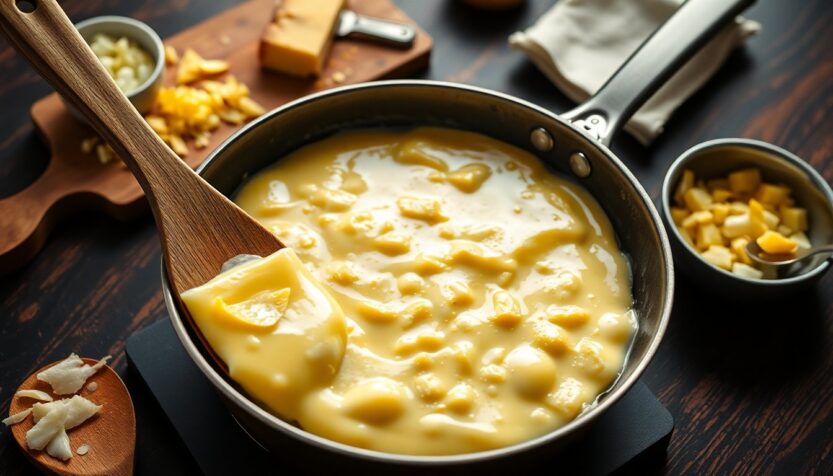
The ritual of making eggs can be both comforting and culinary. This article outlines a method for producing a silky soft scramble that balances gentle heat, aromatic shallots, and the nutty richness of Comté cheese. The technique is suited to everyday breakfasts and refined enough for weekend brunches where texture and seasoning matter.
The aim is control rather than perfection. Focus falls on temperature management, attentive stirring, and precise finishing touches that transform ordinary eggs into a luxurious, spoonable dish. The guidance that follows draws on the practical clarity of Ella Quittner’s food writing and highlights small details with outsize impact.
Why this method works
Ingredients and preparation
For a single portion, use three large eggs, 1 tablespoon unsalted butter, one small shallot finely softened in butter, and 20–30 grams of Comté, grated at the end. Season lightly with fine salt and freshly ground black pepper. Equip a heavy-bottomed, nonstick or well-seasoned pan and a low, steady heat source.
Bring all ingredients to room temperature before cooking. Finely grate the cheese and set it aside. Gently soften the shallot in a little butter until translucent but not browned. Whisk the eggs briefly to blend yolks and whites without incorporating excess air.
Technique
Use a heavy-bottomed pan over the lowest practical heat. Add the butter and let it melt until it foams, then reduce heat if necessary. Pour in the eggs and allow them to begin setting at the edges.
- Stir gently. Move the eggs slowly and constantly with a silicone spatula, keeping the motion small to produce tender curds.
- Read the texture. When curds are mostly formed but the mixture remains glossy and slightly loose, remove the pan from the heat.
- Carryover cooking. Let residual heat finish the setting for 20–30 seconds, then return briefly to the stovetop only if needed.
- Finish with shallots and cheese. Fold in the softened shallots, then grate the Comté over the eggs while they are hot but not piping. Serve immediately.
This method prioritizes temperature control and timing over strict measures. Small adjustments in motion and heat yield a consistently creamy result.
Small adjustments in motion and heat yield a consistently creamy result. Begin with high-quality ingredients: fresh eggs, a small shallot, a knob of butter, a splash of cream or milk if desired, and a wedge of Comté. Finely mince the shallot and grate the cheese so it melts quickly. Lightly beat the eggs; avoid over-whisking to preserve a tender structure. The technique described produces an soft scramble—eggs cooked slowly to a creamy consistency rather than dry, firm curds.
Cooking process
Set the pan over the lowest heat that still allows gentle movement of the egg mixture. Melt the butter and sweat the shallot until translucent and sweet. Do not brown the shallot; browning will alter the flavor and texture.
Pour the eggs into the pan and use a silicone spatula to stir slowly and continuously. Scrape the bottom of the pan to form small, uniform curds. Pause briefly at intervals to allow curds to develop, then resume stirring to fold them into a cohesive, creamy mass.
When the eggs are nearly set but still glossy, remove the pan from the heat. Stir in the grated Comté and a small splash of cream or milk if using. Carryover heat will finish the cooking and melt the cheese without drying the curds.
Season lightly with salt and freshly ground black pepper. Serve immediately on warmed plates to preserve the creamy texture. Small variations in heat, stirring speed, and timing will change the final mouthfeel; aim for a soft, custard-like finish rather than fully firm curds.
When the eggs are nearly set but still glossy and slightly runny, remove the pan from direct heat and fold in the grated Comté. The residual warmth will melt the cheese and gently finish the eggs without overcooking. Season with salt and a touch of black pepper. A final drizzle of olive oil or a small pat of butter adds sheen and richness.
Variations and serving ideas
Swap the shallots for chives, scallions, or a mixed herb blend to alter the aromatic profile. For extra creaminess, stir in a spoonful of crème fraîche or sour cream just before serving. For a bright contrast, finish with a squeeze of lemon and scatter fresh herbs over the top.
Serve the scramble on warm toast, alongside roasted mushrooms, or with a simple green salad to cut through the richness. For a brunch presentation, top the eggs with a few shavings of Comté and a grind of black pepper; the contrast of the pale eggs and golden cheese remains visually appealing and complements the dish. For a bright contrast, finish with a squeeze of lemon and scatter fresh herbs over the top.
Troubleshooting and tips
If the eggs turn out dry or rubbery, the likely cause is excessive heat or overcooking. Reduce the stovetop temperature and remove the pan earlier; residual heat will complete the setting without toughening the curds. If curds are too large, stir more frequently and use a gentle folding motion that scrapes the pan bottom. For consistent results, use a pan that holds heat evenly and avoid overcrowding so the eggs have room to move.
Maintaining even heat and space in the pan allows the final moments of cooking to determine texture. Small, deliberate steps during those last minutes are decisive.
Give the eggs sustained attention: gently sweat aromatics, cook at low temperature and finish with a modest amount of finely grated cheese to bind the curds. With repeated practice, cooks develop a reliable sense for the precise instant to remove the pan from heat and preserve the creamy mouthfeel.