
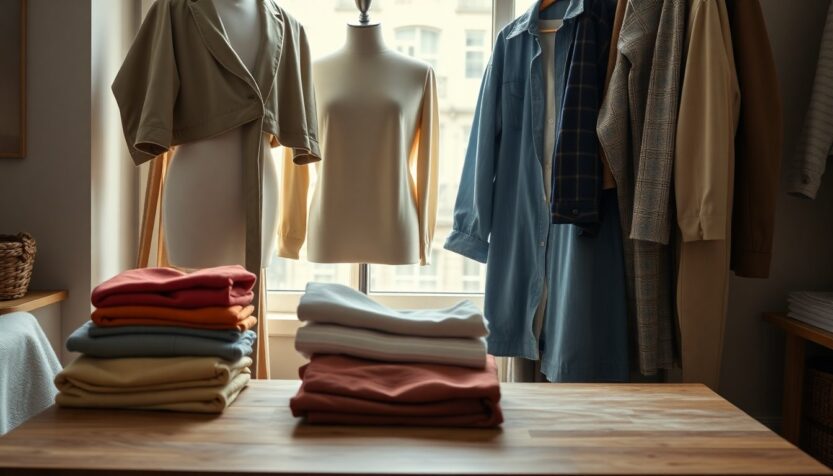
As temperatures wobble between winter and spring, shoppers are asking for clothes that do more. Instead of single-season splurges, buyers want adaptable pieces that layer well, travel across trends and stretch the life of a wardrobe. Retailers and investors are noticing: capsule-friendly assortments and mix‑and‑match collections are driving steadier sales, healthier margins and fewer markdowns. This piece translates those market signals into practical styling advice so you can stay comfortable, look pulled together and make smarter purchases through transitional months.
The numbers
– Searches and sales for “transitional pieces” climb every March in temperate markets. – Mixed‑fabric items and layering staples post higher sell‑through and slightly faster inventory velocity than single‑use garments. – Retailers that promote curated capsules or bundled outfits tend to see bigger average order values and lower return rates.
Build a versatile foundation with layering
Start with neutral, easy‑pairing base pieces: a lightweight knit, a crisp white blouse and tailored trousers. These form the backbone of outfits you can adapt all day—add a midweight coat or blazer for chilly mornings and shed it as the afternoon warms. For fabrics, favor natural fibers for breathability and choose synthetic blends where wind resistance or quick drying matter.
How to stack pieces for comfort and style
– Keep proportions in mind: slim-fitting layers under looser silhouettes avoid bulk. – Plan removable stacks—base layer, mid layer, outer layer—so you can add or shed as temperatures change. – Pick complementary tones so removing a jacket never ruins the look; use accents closer to the face (scarves, jewelry) to introduce seasonal color.
Market context and commercial takeaways
Retailers face longer transition windows and more unpredictable weather. That encourages flexible production runs, modular capsules and fewer fast‑fashion gambles. Brands that prioritize removable layers, timeless cuts and neutral palettes often enjoy steadier conversion and better margin retention. Clear styling guidance—showing how pieces work together—also shortens customers’ decision time and boosts sales per session.
Variables that matter when planning assortments (or shopping)
– Fabric performance: breathability, thermal regulation and weight determine comfort across swings in temperature. – Fit and layering compatibility: how garments combine without creating bulk. – Color coordination: a small, cohesive palette reduces friction when mixing and matching. – Supply and cost pressures: material availability and input prices can shape what’s feasible for brands and consumers.
Sector impacts and merchandising tips
– Focus assortments on anchor pieces—neutral coats, denim, white shirts—that pair across multiple looks. – Highlight curated combinations in-store and online to demonstrate multi‑season utility. – Visual merchandising that sequences layers (base → mid → outer) increases clarity and conversion. – Product development should favor adaptability and multi‑season wear over single‑drop trends.
Key layering combos to try
– White blouse + wide‑leg jeans + lightweight faux‑fur or midweight coat: breathable through the day, warm when needed. – Midi dress + oversized sweater or cropped bomber: balances proportions and keeps you comfortable when temps jump. – Maxi dress + ankle‑grazing coat: creates a dramatic silhouette that still reads seasonal. – Faux‑leather bottoms under flowing tops: structure without sacrificing ease.
Play with color and texture to bridge seasons
Swap heavy winter tones into spring by pairing them with brighter accents. Chocolate brown warms up with aqua or bright blue; butter yellow gains edge when grounded by maroon or charcoal accessories. Texture mixing—faux fur trims with suede bags or pleather skirts—adds depth and helps winter fabrics read lighter without feeling out of place.
How to use prints and statement pieces
Muted animal prints (think fawn‑spotted neutrals) act as a transitional focal point. A saturated statement jacket can anchor an outfit and tie mixed textures together; worn over a printed dress it combines drama with practical coverage. When merchandising, show one bold piece paired with simple bases to make styling feel achievable.
The numbers
– Searches and sales for “transitional pieces” climb every March in temperate markets. – Mixed‑fabric items and layering staples post higher sell‑through and slightly faster inventory velocity than single‑use garments. – Retailers that promote curated capsules or bundled outfits tend to see bigger average order values and lower return rates.0
The numbers
– Searches and sales for “transitional pieces” climb every March in temperate markets. – Mixed‑fabric items and layering staples post higher sell‑through and slightly faster inventory velocity than single‑use garments. – Retailers that promote curated capsules or bundled outfits tend to see bigger average order values and lower return rates.1
The numbers
– Searches and sales for “transitional pieces” climb every March in temperate markets. – Mixed‑fabric items and layering staples post higher sell‑through and slightly faster inventory velocity than single‑use garments. – Retailers that promote curated capsules or bundled outfits tend to see bigger average order values and lower return rates.2