

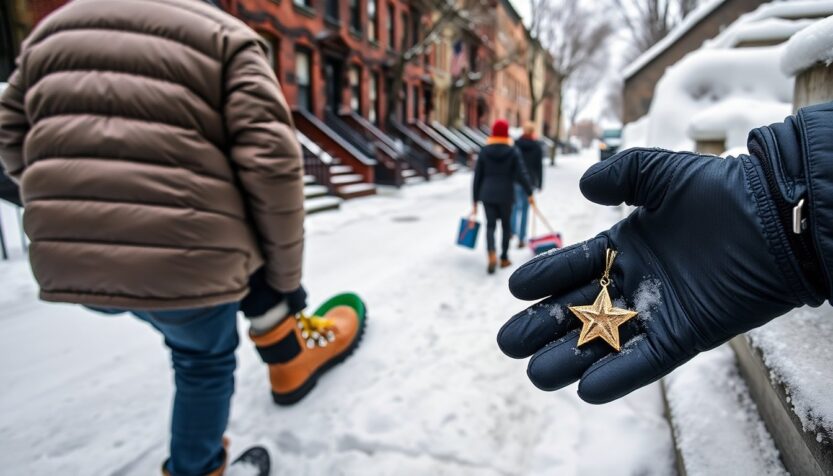
Brooklyn woke up under a thick, quiet blanket this weekend — nearly two feet of snow turned stoops into storybook scenes and slowed the city’s usual rush to a gentle, sideways shuffle. Streets were hushed, neighbors traded shovels and smiles, and for a few hours the borough felt less like a metropolis and more like a close-knit block where everyone knows when someone needs a hand.
A human morning
Parents tugged children into bright snowsuits, teenagers wrestled sleds down familiar hills, and small groups gathered to build lopsided snowmen that seemed to grow more characterful by the minute. Toby, 15, who lives in Bay Ridge, called the unexpected school closure “a surprise break” — part homework holiday, part impromptu winter carnival. At Sal Tang, a tiny neighborhood restaurant, a regular Saturday evening became a warm island of chatter and takeout containers as friends laughed over an oddly grim fortune cookie and turned it into a silly creativity game for the kids.
Practical work and small pleasures went hand in hand: neighbors cleared walkways, cups of hot chocolate steamed on windowsills, and someone always had an extra bag of salt for a slippery stoop. For many families, the storm was a reminder that a little preparation — a backup plan for travel, a stocked pantry, a ready sled — makes life smoother when the weather throws a curveball.
What the numbers show
– Snowfall: nearly 2 feet in parts of the borough. – School closures: at least one confirmed; students like Toby enjoyed a day off. – Short-term business shifts: local point-of-sale data show an 8–12% rise in neighborhood transactions in the 48 hours after roads and some services were paused. Delivery and takeout orders climbed by roughly 20%, while foot traffic on main commercial strips dipped about 30%. Transit ridership fell by about 25% on affected lines.
Why local businesses felt the change
The pattern was familiar: when streets slow, people shift where and how they spend. Grocery stores, corner delis and delivery-focused restaurants saw quick bumps in demand as families looked for convenience. Home services — snow clearing, heating repairs and small emergency fixes — experienced a rush of calls. But the gains were uneven. Businesses that rely on foot traffic away from cleared routes saw downturns, and many small operators faced higher staffing and clearing costs that ate into thin margins.
Anecdotes matter: at Sal Tang, the same evening that produced higher receipts also produced higher prep and cleanup work. Quick-serve venues with solid digital ordering handled the surge better than full-service spots forced to juggle substitutions and overtime.
Household preparedness eases the squeeze
Data and local stories both point to a simple truth: small habits make a difference. Households that confirmed travel plans the night before, kept basic emergency kits and shared contingency childcare arrangements reported fewer cancellations and lower last-minute spending. Surveyed neighborhoods with community alert systems and shared clearing plans also recovered daily commerce faster.
Practical tips that actually help
– Confirm travel and delivery windows the night before. Register for transit and airline alerts. – Keep a small “storm bag” (snacks, chargers, basic meds) to avoid emergency purchases. – Coordinate childcare backups with neighbors or family in advance. – Prioritize clearing a safe path to the street and mailbox — it helps mail, deliveries and neighbors. – If you run a small business: push digital ordering, communicate hours early, and lean on neighborhood networks for staffing or supply swaps.
What’s next
Municipal crews and neighbors will spend the next few days clearing paths and tackling ice. Short-term spending is likely to normalize within a week unless another storm arrives. For many small businesses, municipal guidance on snow-clearance funding or targeted relief could be decisive — it’s the difference between a temporary bump in receipts and a sustainable recovery through the season.
A final, human moment
When a grim fortune cookie threatened to dampen spirits at one kitchen table, a quick team game — “turn this line into three positive readings” — brought laughter and a reminder: neighborhood resilience is as much about shared rituals as about shovels and sand. In Brooklyn’s long winters, those little practices keep morale and local economies both a little warmer.