

Survivor 50 returned to Fiji this season with 24 veteran contestants and a new fan-crafted rulebook. The series, billed as In the Hands of the Fans, awards a $1 million prize to the winner.
Returning players described harsh daily conditions in interviews. They reported limited supplies, near-constant wetness, and greater audience influence over game mechanics than in past seasons. Those details underscored physical and psychological strains that differentiate this edition from standard reality television.
Living rough: what the cast actually endured
Living rough: what the cast actually endured
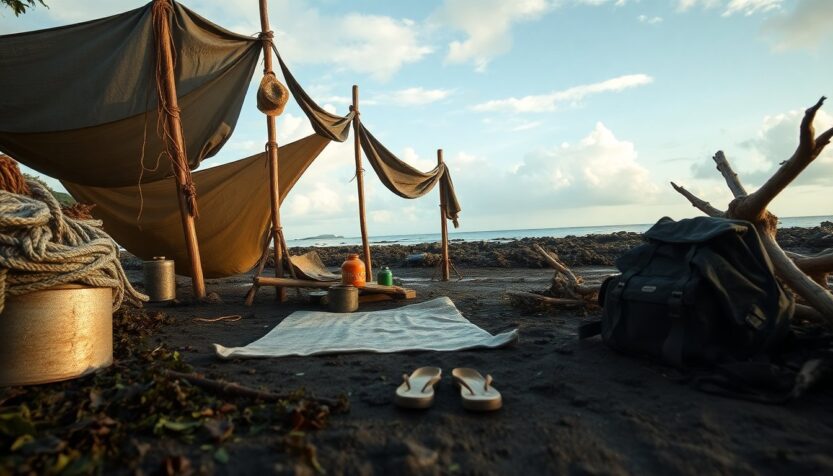
Contestants reported a return to near-primitive conditions at camp. They used improvised tools, minimal cooking gear and makeshift sleeping platforms. Rick Devens said there was effectively no routine hygiene. He described contestants scraping their teeth with pieces of bamboo. That improvisation underlines the production’s emphasis on survival mechanics over creature comforts.
Environmental stress emerged as the most persistent challenge. Christian Hubicki described a continuous struggle with wet conditions, cold nights and the cumulative mental strain. Camp fabric and bedding never fully dried, which compounded fatigue and complicated basic tasks.
Sleeping arrangements aggravated physical hardship. Kamilla Karthigesu and Charlie Davis reported sleeping on rigid surfaces that worsened aches and pains. In one case, a contestant developed a nerve injury severe enough to require medical evacuation.
Food, sanitation and daily routines
Following a medical evacuation for a severe nerve injury, contestants faced persistent shortages of basic provisions. Meals were irregular and staples often absent. Several players said items fans assume would be available—such as rice—were not reliably on hand.
Stephenie LaGrossa Kendrick described the minimal kit contestants carried: a single boat, a machete and perhaps one pot. That scarcity forced participants to prioritise foraging and fishing. Camp strategy and social negotiation shaped who gathered food and who prepared it.
Sanitation diverged sharply from typical norms. Savannah Louie recounted improvised routines for bodily needs, including instances when contestants went to sea to relieve themselves because no private facilities existed ashore. The blunt accounts highlight the practical indignities and constant adjustments required by the environment.
The psychological price of survival
The blunt accounts underscore the practical indignities and constant adjustments required by the environment. Beyond hunger and discomfort, several castaways described accumulating mental fatigue during extended exposure to uncertainty and physical stress. They said they expected deprivation but did not fully anticipate the relentless psychological drain of dampness, cold and disrupted sleep. This strain, they added, alters daily decision-making and reshapes alliances as decisively as physical exhaustion.
Medical risks and safety
Incidents such as Randen Montalvo’s nerve damage demonstrate the concrete health risks posed by the show’s living conditions. Production provides medical oversight, yet returning players note that injuries sometimes require immediate evacuation. Those accounts highlight how survival reality blends strategic competition with genuine physical vulnerability and medical risk.
The fan-driven twist and where to watch
This report will next describe the fan-driven twist and the platforms carrying the episodes. Subsequent sections will outline how audience participation has altered gameplay and where viewers can follow the season.
This season introduced a structural shift: many production choices were decided by public vote. The theme In the Hands of the Fans translated into concrete game elements, from tribe buff colors to when and where results are revealed. Viewer participation directly shaped gameplay, making the season both a tribute to the franchise and an experiment in crowd-sourced format design.
The cast combines established veterans and recent standouts. Competitors are divided into three tribes—Cila, Kalo and Vatu. Notable returning names include Cirie Fields, Ozzy Lusth, Colby Donaldson and Mike White, alongside winners and popular contestants from recent seasons.
The U.S. broadcast premiered as a special three-hour episode on Wednesday, Feb. 25, on CBS. Episodes are also available on Paramount+. In some regions the premiere appeared on local platforms such as Stan on Feb. 26.
Cast composition and stakes
The fan-driven choices raised new strategic stakes. Public votes affected visible game mechanics and off-camera production decisions that indirectly influence competitors’ information and options. Producers say this altered risk calculations for players and introduced fresh social dynamics on set.
Subsequent sections will detail how audience participation has altered core gameplay and outline where viewers can follow the season across broadcast and streaming platforms.
Why these revelations matter to fans
The 24-player field mixes multi-season veterans and recent champions, altering social dynamics compared with seasons led by newcomers. With $1 million at stake, the presence of legacy players and fan-directed twists produces unpredictable strategic scenarios. Prior experience can provide an edge. It can also make a contestant an immediate target.
Firsthand recollections of camp life perform two functions. They humanize competitors and remind viewers that the show tests more than popularity or gamecraft. Accounts of sleeping on bamboo, scraping teeth with bamboo, foraging for scarce food and relieving oneself at sea make the stakes tangible. Those details give weight to each vote, alliance and blindside.
Such revelations also illuminate how audience involvement reshapes the game. When fans select production elements, the balance between social play and survival shifts. Contestants must navigate public scrutiny alongside traditional strategic pressures.
Fans seeking live updates and episode schedules can follow coverage across broadcast and streaming platforms. Official network and streaming channels will carry episode broadcasts, while social feeds and dedicated summaries provide near-real-time reaction and analysis.
What it means for viewers
Beyond live broadcasts and social summaries, Survivor 50 combines a lineup of veteran castaways, fan-determined mechanics and brutal living conditions. The mix reshapes daily dynamics while keeping the core challenge intact.
For long-time viewers and newcomers alike, contemporaneous accounts from contestants and observers add context to on-screen strategy. They illustrate why survival on the islands remains as much a test of character as it is a test of strategy. Expect ongoing debate over gameplay decisions and social shifts as episodes continue to air.