
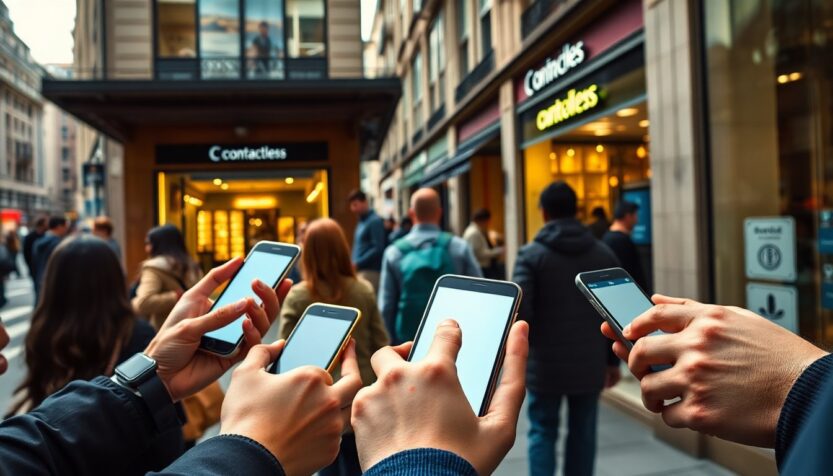
Are we really ready for a cashless society?
Let’s tell the truth: the concept of a cashless society is intriguing. We are all drawn to the convenience of quick and effortless payments. However, the emperor has no clothes, and I’m telling you: there are significant shadows lurking in this digital utopia.
Uncomfortable facts and statistics
According to a report from the World Bank, approximately 31% of the global population lacks access to banking services. This indicates that a substantial portion of our society would be excluded from a fully digital payment system. It is not just a matter of convenience; it is a matter of accessibility and inclusion.
Countercurrent analysis of the situation
I know it’s not popular to say, but the transition to a cashless society brings with it a range of challenges. Privacy stands out as a major concern: every transaction leaves a digital footprint, making it impossible to maintain anonymity. Furthermore, in a world where cyberattacks are commonplace, who guarantees that our data and money are secure?
A disturbing reality
The reality is less politically correct: a cashless society could be a trap disguised as progress. We might find ourselves in a system where surveillance is the norm, leaving the most vulnerable behind. Is this truly the future we want?
Invitation to critical thinking
It is time to reflect. Before fully embracing the digitalization of payments, we must ask ourselves: who will truly benefit? And at what cost? Only through open and honest debate can we hope to create a future that includes everyone.