
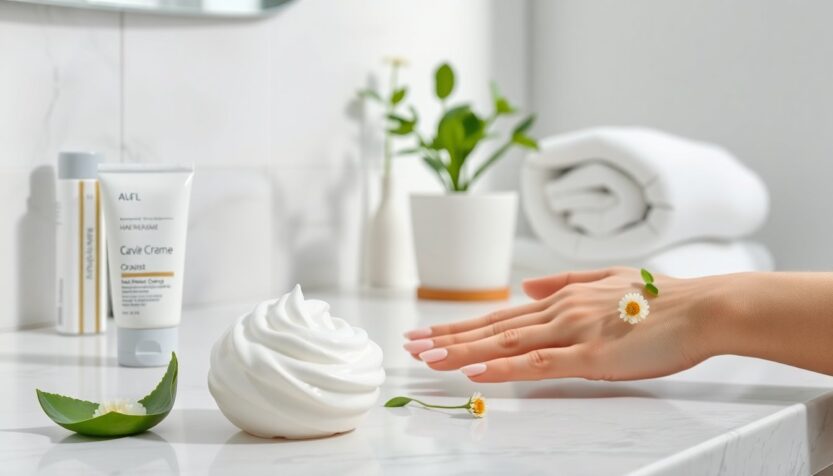
The market for hair removal cream has evolved well beyond the old, overpowering-smelling jars of the past. Modern formulas combine active chemical agents with skin-conditioning ingredients so you can remove hair quickly while minimizing irritation. Editors and shoppers alike praise certain products for being fast, scented better, or formulated specifically for delicate areas like the bikini line or face. Understanding the main ingredients and how they work helps you choose a product that matches your hair type and skin sensitivity.
Before picking a product, it helps to know what each formula prioritizes: speed, scent, hydration, or gentleness. Some creams focus on rapid action with higher levels of thioglycolic acid or potassium thioglycolate, while others balance hair removal with calming agents such as urea, bisabolol, or aloe vera. Specialty options include in-shower formulas, roll-ons for precise application, and even prescription treatments designed to slow regrowth. Read ingredient lists and usage directions carefully, and always patch-test before using anywhere sensitive.
How chemical hair removal works
Chemical depilation relies on break down of the hair shaft so it wipes away from the skin surface. The industry term depilatory refers to creams that use active sulfur-containing compounds to weaken the hair’s protein structure so it can be removed without cutting. Common active ingredients include thioglycolic acid and potassium thioglycolate. Many modern formulas pair those actives with emollients like shea butter, coconut milk, or argan oil to leave skin feeling hydrated, and with calming agents such as urea and bisabolol to reduce redness and discomfort.
Top formulas and what sets them apart
Fast full-body options
Heritage brands that focus on body treatments still dominate because they remove coarse leg and arm hair efficiently. Look for products that list potassium thioglycolate or thioglycolic acid clearly on the label and pair them with nourishing ingredients like cocoa seed butter or vitamin E. Some in-shower versions use argan oil to reduce the waiting-time awkwardness — you apply, hop in the shower, then wipe the cream away with a warm washcloth. These are ideal when speed and coverage matter and you want minimal fuss while still getting smooth results that last longer than shaving.
Face-friendly and precision applicators
Smaller, gentler creams and roll-ons target facial peach fuzz and fine growth with concentrated, controlled application. A roll-on formula containing coconut milk and collagen can ease application around the chin and upper lip without dripping across the face. Brands that market for face use lower-strength actives and add moisturizing support like vitamin E or sunflower seed oil, but sensitive skin still benefits from a short contact time and a patch test first, as even face-specific products can irritate.
Bikini and sensitive-area formulas
Delicate areas require formulas designed to calm and protect: look for creams that blend aloe vera, jojoba oil, and urea alongside the active depilatory. Some newer options specifically advertise gentle action for full pubic removal while minimizing burning or nicks from razors. These creams often instruct you to apply a thicker layer, wait toward the upper end of the recommended time, then wipe away in the shower to reduce friction. Many testers report that these tailored formulations prevent the typical redness and sting that razors or stronger depilatories can cause.
Safe use, timing, and maintenance
To avoid irritation, always perform a small patch test 24 hours before full application: apply the cream to the inner thigh or arm for a few minutes then rinse and monitor for reactions. Follow the manufacturer’s timing guidance closely — some products are safe for up to ten minutes, others begin causing sensitivity after four — and err on the shorter side the first time. Use a warm, wet washcloth to remove the product and rinse with a gentle, fragrance-free cleanser, then apply a soothing moisturizer or barrier ointment to lock in hydration.
Frequency and aftercare
You can repeat treatments as often as every three days if needed, but many people wait five to seven days depending on regrowth speed and skin tolerance. If you experience burning or severe redness, rinse immediately and consider a 1 percent hydrocortisone cream to calm inflammation only after consulting product guidance or a clinician. For long-term reduction of facial hair, ask a provider about prescription topical eflornithine, which can slow regrowth over weeks and is available via consultation services in some outlets.