

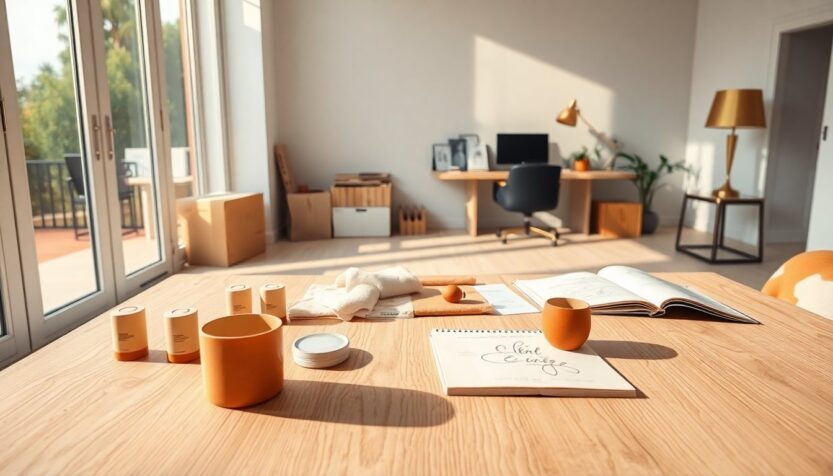
Tracee Ellis Ross’s West Hollywood office: where beauty thinking happens
Tracee Ellis Ross has quietly steered part of her public persona into the world of entrepreneurship, turning Pattern Beauty into something that feels equal parts brand and cultural project. Her West Hollywood office captures that duality: a warm, purposeful place where creative play and day-to-day operations coexist without friction.
Space and sensibility
Sunlight floods wide, open rooms where product samples sit beside sketchbooks and pinned-up mood boards. Long benches for formulation and testing share the floor with intimate meeting nooks for editorial planning and photography prep. It doesn’t feel like a corporate campus; it feels like an atelier—ideas are sketched, tested and photographed, sometimes within the same afternoon. That proximity between design, R&D and marketing both accelerates decisions and keeps the brand’s narrative coherent: what gets made is immediately contextualized and communicated.
Practical systems quietly support the creativity. Dedicated lab benches handle compliance testing, and locked storage keeps prototypes secure, so experimentation never outpaces safety or quality standards. In short: freedom within a framework. The result is innovation that’s thoughtful rather than frantic.
An aesthetic with purpose
The décor reflects an intention to root the brand in culture rather than fleeting design trends. Warm woods, textured fabrics and carefully chosen artworks give the office a lived-in, tactile quality. Product samples are arranged like props in a lifestyle spread—always ready for a shoot or a last-minute tweak. That attention to presentation reinforces an idea central to Pattern: the product is not an afterthought but part of the company’s daily life.
Work culture and creative rhythm
Collaboration is built into the layout. It’s common to see a designer leaning over a formulation bench to discuss texture with a chemist, or a stylist walking an editor through staging ideas on the way to a shoot. Regular in-house trials, structured feedback sessions and focused creative workshops shorten development cycles and help ensure product performance matches the brand voice. The playbook is simple: give teams room to experiment, document what works, then bring in specialists to translate discoveries into safe, market-ready products. The atmosphere feels purposeful—serious about craft but generous with creative space.
UK jazz highlights: clubs, new releases and what’s next
Across the Atlantic, the UK jazz scene keeps rolling with strong club programmes and a handful of new releases worth catching. Harborough Jazz Club has released its spring schedule for March–June, hosting lunchtime concerts at The Three Swans Hotel in Market Harborough. Notable dates include the Alex Clarke Quartet on 8 March, Chris Coull on 12 April, the Dean Stockdale Quartet on 10 May and Pete Oxley’s Time is of the Essence on 14 June. The listings balance familiar names and adventurous newcomers—perfect for listeners who like discovery with their favourites.
A busy week in the West Midlands runs from 23 February to 1 March, with highlights such as the Alex Hitchcock Quartet at Cheltenham Jazz Club (23 Feb) and Red Kite at Digbeth Jazz (24 Feb). Venues like The Jam House, The Trumpet and Symphony Hall will buzz with everything from headline shows to open jams and community sessions, a healthy mix that keeps the local scene vibrant.
New recordings and touring
Watch for Marvin Muoneké’s single “Angel (Where The Blues Begin),” which drops digitally on 27 March. Featuring pianist Alex Webb & The Copasetics, the track showcases Muoneké’s talents as both singer and trumpeter. He’ll be touring the new material across London and the regions through April and May.
Workspaces and stages: the same story, different tempo
There’s a throughline connecting creative offices and live music venues: both are ecosystems where ideas are tried, refined and shared in real time. In Ross’s office, a prototype can be adjusted, photographed and woven into a campaign within hours; in a jazz club, a tune is tested with an audience and reshaped night by night. Both environments valorize experimentation, immediate feedback and the interplay between craft and presentation. That shared dynamic—rapid iteration grounded by ritual and community—explains why a well-designed workspace and a lively stage both produce compelling work.
A short final thought
Whether it’s a haircare atelier in West Hollywood or a packed jazz club in Birmingham, the most interesting creative places balance freedom with structure, warmth with discipline. They make room for curiosity, then turn that curiosity into something people can feel, hear and use.