



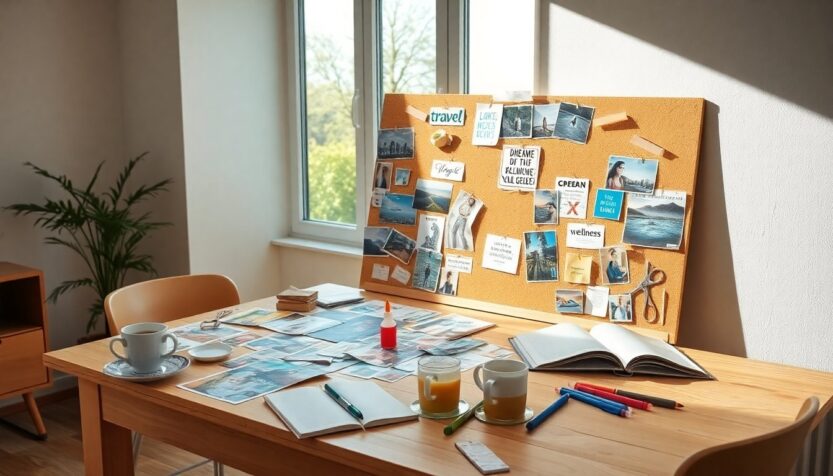
As the year concludes, many individuals reflect on their past experiences and consider their aspirations for the future. One effective method for solidifying these aspirations is by creating a vision board. This creative practice fosters community when shared with friends and serves as a powerful tool for setting intentions for the upcoming year.
Crafting a vision board is more than merely selecting images from magazines; it represents a journey of self-discovery. By asking, “What do I genuinely desire in the coming year?” individuals can explore various aspects of their lives, including career, relationships, and personal growth. As visuals are gathered and arranged, they effectively lay the foundation for manifesting one’s dreams.
The significance of visualization
Vision boards act as constant reminders of one’s objectives, and their influence can be substantial. Visualizing goals transforms abstract concepts into concrete plans. By placing a vision board in a prominent location, individuals activate their Reticular Activating System (RAS), which filters information and enhances focus on opportunities that align with their aspirations.
Understanding the brain’s filtering mechanism
The human brain encounters an overwhelming amount of sensory information daily; however, only a small fraction is consciously processed. The RAS plays a pivotal role in this process, acting as a gatekeeper that determines which information reaches awareness. Regularly viewing a vision board effectively tags goals, signaling the brain to prioritize these objectives. This increased awareness can facilitate the recognition of new opportunities and connections that may have previously gone unnoticed.
Furthermore, envisioning goals activates the same brain regions involved in actual experiences, fostering a strong emotional connection to these aspirations. This mental rehearsal not only boosts motivation but also instills confidence in one’s ability to achieve desired outcomes.
Documenting your journey
This year, in addition to creating a vision board, I plan to write a letter to myself. This letter will detail the highlights and challenges encountered throughout the year. Reflecting on successes, learning experiences, and even heartaches will provide valuable insights when revisiting the letter in the future. By capturing emotions and thoughts at the year’s end, individuals can better appreciate their growth and accomplishments.
Writing your future
When composing this letter, consider these helpful tips: Be candid about experiences and do not hesitate to express both triumphs and struggles. Documenting thoughts can serve as a reminder of how far one has come and what was initially set out to achieve. Additionally, this practice can clarify evolving goals and desires over time.
As I prepare for the upcoming year, I will include a recurring symbol in my vision board—a vibrant red Mazda Miata convertible. While I have not yet acquired this dream car, it signifies more than a material possession; it embodies aspirations for freedom and adventure. It serves as a reminder that persistence in pursuing dreams, regardless of how distant they may appear, can ultimately lead to realization.
Will you consider harnessing the power of vision boards and letters to yourself this year? Have you engaged in either practice before? Sharing experiences can inspire collective growth and motivate individuals to turn their dreams into reality.