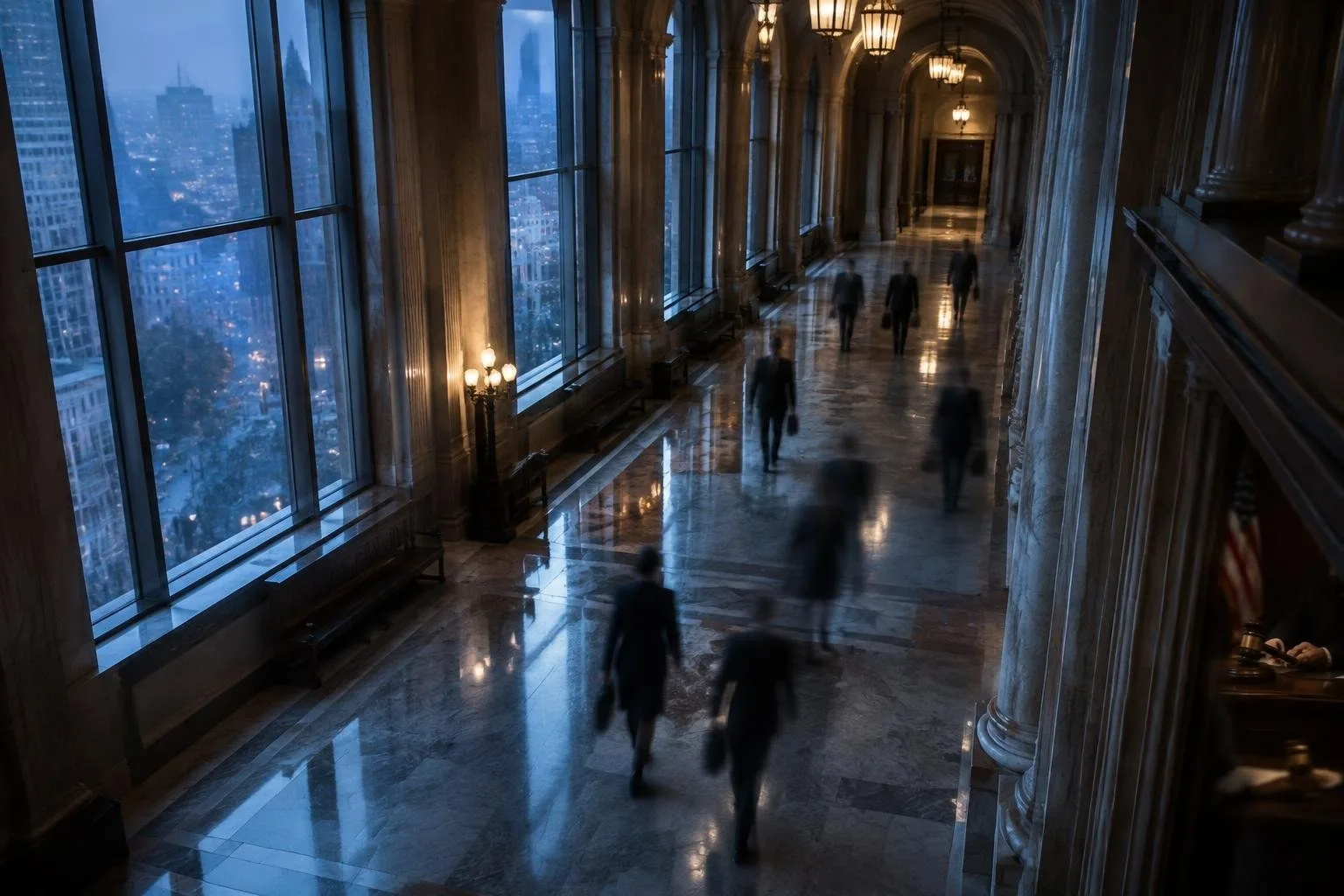

Celebrating birthdays has always felt like a personal ritual for me—an excuse to pause, honor achievements, and share joy with anyone who will listen. When the idea of marking my 75th birthday surfaced, I instantly imagined the bright lights, theatre marquees, and street-café chatter of my favorite metropolis, New York City. A week ago I booked a trip, packed a small suitcase, and prepared to indulge in the urban symphony that has defined so many of my memories.
There is a twist to the story, however. While drafting my memoir Vivi and Me last year, I estimated a year to finish the manuscript and decided to claim 75 as my age for marketing punch. In reality I was still 74, but the book wrapped up in a few months, and the number 75 sounded bolder, more marketable. By the time the publication landed, I had already called myself 75—an intentional, slightly mischievous self-rehash that felt oddly empowering.
Why 75 Became My Celebration Age
Choosing 75 was not just a numbers game; it was a declaration of resilience. I wanted a milestone that felt sizable enough to justify a grand adventure yet still attainable. When the calendar finally turned, I was genuinely 75 for the first time, and the city’s energy seemed to match that new chapter. The celebratory itinerary included Broadway shows, a stroll through Harlem’s vibrant streets, a dinner at a rooftop restaurant overlooking the skyline, and even a quiet birthday brunch in the countryside outside the city limits. Each activity was deliberately chosen to blend familiarity with fresh discovery, allowing me to experience the familiar pulse of New York while testing my evolving limits.
New York City Through New Eyes
Just days before my departure, an ophthalmologist visit in Ecuador delivered unsettling news: four potential eye conditions required further testing, and my vision could be at risk. For someone who navigates the world primarily through sight, the prospect was disquieting. Suddenly, every sunset reflected off skyscrapers, every autumn leaf turning amber, and every violinist’s bow in Central Park felt like a fleeting treasure. I found myself moving more cautiously—watching traffic a beat longer, stepping onto subway stairs with extra attention, and pausing to truly absorb a street artist’s mural rather than scanning it while hurriedly walking. That hesitation felt more like a heightened awareness than fear, a subtle shift from impulsive to intentional.
Physical changes have also crept in. Arthritis slows my gait, and lingering aches remind me that my body no longer rebounds as it once did. The combination of potential visual loss and bodily aches forced me to confront the reality that independence is not guaranteed. Yet, rather than retreat, I leaned into the city’s sensory overload, allowing each detail to imprint more deeply. The patina on an old wooden sign, the aroma of a hot-dog cart, the echo of a distant saxophone—all became amplified notes in a composition I was determined to hear fully.
Shared Vulnerability and the Power of Conversation
Last night, over a dinner shared with two close friends, I confessed my newfound tentativeness. One friend, a die-hard New Yorker, revealed she too was feeling the city’s pressure: her hearing had shifted, making the constant din overwhelming, and two knee replacements made every sidewalk a careful negotiation. She chose the word “vulnerable,” and in that moment we recognized a shared thread of quiet caution woven through our lives. Though our challenges differ—eyes for me, ears and knees for her—we instantly understood each other’s need to slow down, to watch the cyclists more closely, and to cherish the moments that once seemed ordinary.
This conversation underscored a broader truth about aging: the courage to admit vulnerability can foster connection and ease the loneliness that often shadows later years. My eye examinations remain pending, my arthritis stays, and New York City continues its relentless pace, but the knowledge that I am not alone in feeling tentative transformed the experience from isolating to communal. It reinforced the idea that slowing down does not equate to disengagement; rather, it can sharpen perception, allowing the city’s architecture, colors, and sounds to resonate more profoundly.
Returning home, I carry with me a refreshed appreciation for both my own resilience and the collective spirit of those who navigate the same bustling streets. I remain eager to explore, to celebrate, and to listen—to the city, to my body, and to the stories that emerge when we speak openly about aging. Perhaps being a little more tentative is simply another way of honoring the present, of savoring each slice of life that New York generously serves.