
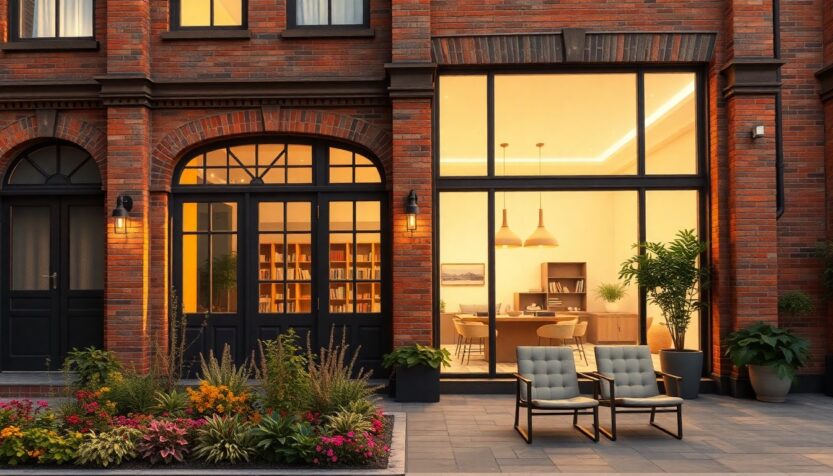
The allure of a great comeback story resonates deeply within the travel community. The thrill of a sports team making a dramatic comeback or a public figure regaining their reputation against all odds inspires travelers and enhances their journeys. One emerging trend is the concept of salvaged stays, as highlighted by Hotels.com. These unique accommodations are located in buildings repurposed from their original functions—such as libraries, banks, or even prisons—into modern hotels.
During my travels, I have experienced several of these remarkable transformations. The Liberty Hotel in Boston, a former prison, and the Union Station Nashville Yards, once a bustling train station, exemplify how architects and designers breathe new life into historical structures. These renovations create inviting and amenity-rich retreats for today’s travelers.
The essence of salvaged stays
One organization dedicated to promoting these unique accommodations is the Historic Hotels of America. This initiative, part of the National Trust for Historic Preservation, aims to maintain the architectural integrity and authenticity of its member properties. They celebrate these hotels by featuring them in annual lists that highlight the most historic hotel bars and even the eeriest haunted hotels.
Among their notable mentions is a list of properties that have undergone adaptive reuse, focusing on hotels and inns occupying buildings not originally designed for hospitality. The primary advantage of this approach is the preservation of historical structures and the revitalization of local economies. For instance, the Visitation Hotel Frederick opened after transforming a former Catholic boarding school into a chic boutique hotel, marking the first new hotel to debut in Frederick, Maryland, in five decades.
Experiencing the past in modern comfort
The Visitation Hotel has preserved many architectural elements from its past, including stunning stained glass windows, original wood flooring, and intricate brickwork. Operating under the Marriott Tribute brand, this hotel serves as an essential bridge connecting residents and visitors to the area’s rich history. The beauty of staying in a salvaged property lies in the seamless blend of modern conveniences and a palpable sense of history, allowing guests to enjoy contemporary amenities in a space that feels timeless.
While staying at the Inn at Diamond Cove, a former military barracks in Maine, I gazed at the expansive lawn, envisioning soldiers in uniform performing their daily routines. Similarly, at Le Monastere des Augustines, a boutique hotel housed in a historic monastery in Quebec City, I felt enveloped by the spiritual energy accumulated over centuries as nuns lived, worked, and prayed within its walls.
Considerations for your stay
Opting for a salvaged stay provides a refreshing alternative to cookie-cutter hotel rooms that often lack character. These establishments have deep connections to their locales, shaped by years of history. However, there are important factors to consider when booking your stay.
First, adapting old buildings for modern use can present challenges. A former post office, for example, might have an unusual layout, with windows placed at odd angles or walls that slant unexpectedly. Additionally, you may encounter showers that differ in size from what you are accustomed to, so it’s essential to embrace these quirks as part of the experience.
Embracing the unique features
The charm of old buildings often comes with characteristic sounds. Worn wooden floors may creak, and descending a grand staircase can be both romantic and noisy. In a hotel repurposed from a train station, vaulted ceilings might amplify music from a live band in the lobby, creating a lively atmosphere. Instead of viewing these elements as drawbacks, consider them integral to the overall ambiance.
Take the time to explore the property’s historical displays and photographs while enjoying modern amenities, such as a rooftop pool or a chef-driven restaurant. Discovering the balance of old and new can enhance your travel experience.
During my travels, I have experienced several of these remarkable transformations. The Liberty Hotel in Boston, a former prison, and the Union Station Nashville Yards, once a bustling train station, exemplify how architects and designers breathe new life into historical structures. These renovations create inviting and amenity-rich retreats for today’s travelers.0
During my travels, I have experienced several of these remarkable transformations. The Liberty Hotel in Boston, a former prison, and the Union Station Nashville Yards, once a bustling train station, exemplify how architects and designers breathe new life into historical structures. These renovations create inviting and amenity-rich retreats for today’s travelers.1