

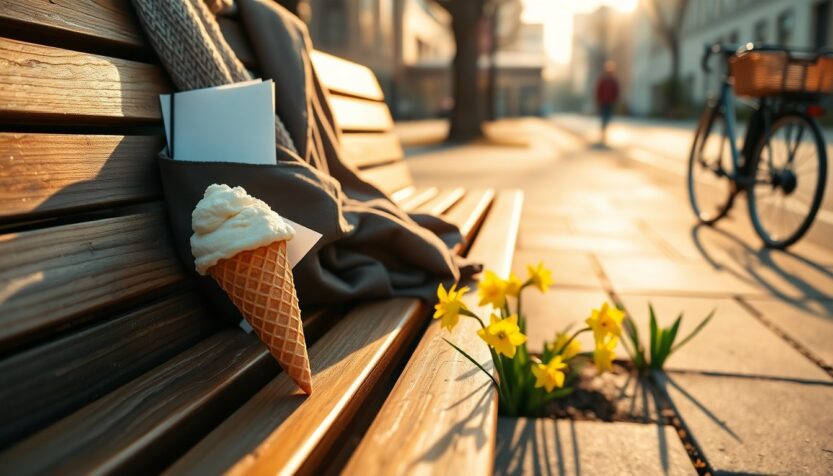
On April 3, 2026, a comment thread became a small archive of everyday pleasures. People wrote about the little things that stop them in their tracks: the thrill of spotting daffodils on a roadside, the intimacy of a forgotten note tucked into a jacket pocket, or the amusement of watching adults eat ice cream unapologetically. These anecdotes are not grand events; instead they are acts of noticing. They show how the ordinary—lists, nicknames, seasonal returns—turn into quiet rituals that help us feel connected to others.
The stories shared range from playful to tender, and many hinge on objects that travel between strangers: receipts, notepads and dog-eared library books. Together they make a patchwork of small human gestures. In this piece I gather those recollections and consider what they reveal about memory, belonging and the value of ephemeral objects. I also highlight a local moment of community: a reader mentioned that the author Grace Farris has a book signing at Book People at 5pm Monday (4/6), a reminder that these little joys often lead to real-life gatherings.
The charm of found lists
Many contributors celebrated the simple act of rescuing abandoned grocery lists. One person described a habit of collecting lists left on benches or in shopping carts, delighting in the variety of handwriting and the clues they offer about a life: a string of ingredients, a hastily sketched meal plan, or a note scribbled on a promotional notepad. These notepads sometimes carry the names of local trades like AAA Glass Repair or Blackwell’s Gutter Guards, which adds an unexpected texture to the discovery. The practice is an informal anthropology of a neighborhood—tiny traces that suggest routines, recipes and seasons.
What the lists tell us
Readers mentioned guessing at details—age, family size, hobbies—based on what’s on the page. A borrowed pair of overalls yielded a pocket list with items like chickpeas, quick oats, trail mix and naan, and a cashier exchange at Trader Joe’s inspired laughter as someone joked that the groceries (boxes of mac and cheese, berries and popsicles) reveal the ages of their children. These small deductions are a playful form of empathy: trying to imagine the story behind a handful of words is a way to feel closer to strangers.
Seasonal signals and small rituals
Spring provided a recurring theme. Commenters named early markers they watch for, like redbud tree blossoms, butterfly caterpillars and the return of geese whose calls trace familiar migration routes. One person shared the spontaneous joy of shouting about roadside daffodils from a car—an ordinary scene turned ceremonial because it was noticed and shared. These observations function as informal calendars: instead of checking an app, people track life by natural cues that anchor memory and create shared expectations for the season.
The pleasures of unstructured treats
Other small pleasures crop up in daily life: seeing an adult enjoy ice cream alone, finding someone’s bookmark in a used book, or spotting a stranger’s carefully folded list. Such moments are reminders of autonomy and delight. The sight of an adult savoring a cone elicits a communal cheer; it signals permission to indulge without explanation. These fleeting scenes are quietly radical because they insist on savoring the present.
Names, identity and the artifacts of affection
Names and nicknames threaded through the conversation. One writer recounted deciding to adopt the nickname Hattie after years of discomfort with her given name, placing personalized notecards into circulation as a small declaration of self. The cards, bordered with a garland of flowers, made the new name feel official and celebratory. This anecdote shows how a modest object—personalized stationery—can be a form of self-expression and a way to invite others into a changed identity.
Some participants also imagined formalizing their collections: a local museum with a permanent exhibit on collectors was proposed as a future home for framed grocery lists, accompanied by a guestbook where visitors could record their own guesses about the writers. The idea feels fitting: what begins as private clutter can become communal history. Whether it’s a list, a blossom or an impromptu book signing at Book People, these small artifacts and events stitch private lives into a larger tapestry of daily life.