

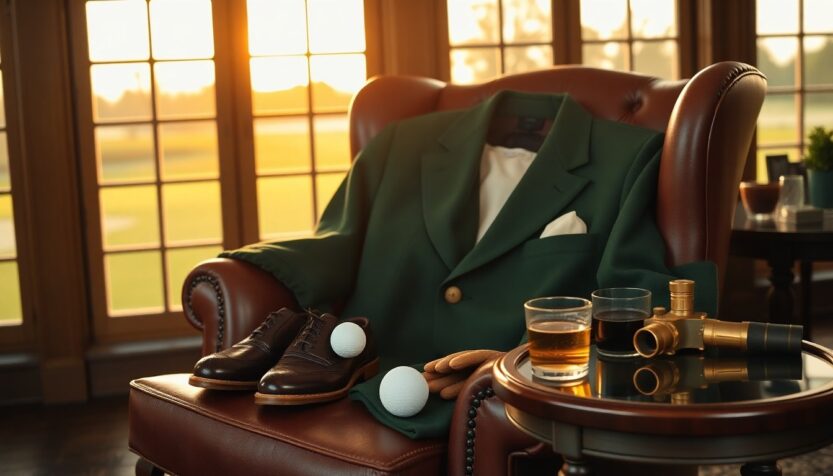
The Masters tournament at Augusta National Golf Club remains one of sport’s most recognizable gatherings, blending a long history with a tightly scripted weekend of competition. Founded in 1934, the event is synonymous with the green jacket, a symbolic prize that has become shorthand for major success in golf. Even casual observers understand the ritual of the Champions Dinner, the hush of Amen Corner and the special status afforded to winners who are invited back to the clubhouse with a new quiet authority. This ceremony-filled atmosphere gives the tournament its distinctive mix of sporting seriousness and social spectacle.
Beyond trophies and traditions, the Masters also represents significant economic and cultural stakes. Winners take home a substantial portion of the multimillion-dollar purse—recent champions have pocketed millions—and those earnings help sustain the private jets, coastal homes in places like Jupiter, Florida, and the support teams that surround elite players. The sport’s profile has widened thanks to streaming-era series such as Full Swing, which, like other behind-the-scenes documentaries, has introduced golf’s personalities to audiences beyond tournament coverage. Off-course storylines—player absences, personal health updates and legal matters affecting public figures—also influence the week’s narrative.
The defending champion and the chase
At the center of the conversation was Rory McIlroy, who entered the week as the titleholder and the player who had just completed a career milestone: the career grand slam. That achievement altered how he approached Augusta; the weight of past questions lifted and the focus shifted toward what comes next. McIlroy has spoken about relishing the clubhouse more freely, sharing rounds with his father, Gerry, and finalizing his Champions Dinner menu with a mix of humor and restraint. On the course, he produced the shots that mattered—particularly in the second nine—converting crucial birdies and scrambling out of difficult spots to hold off challengers and secure a second green jacket.
How he sealed it
The decisive moments came in Amen Corner, where McIlroy delivered a memorable approach to the 12th, known to fans as the “Golden Bell,” that left him with a makable birdie and momentum through the stretch. Those two birdies around the turn gave him a cushion he maintained despite late nerves, including a bogey at 18. The victory counted as his 30th on the PGA TOUR and his sixth major overall, and it made him the first back-to-back Masters winner since Tiger Woods in 2001. Throughout the final round he leaned on course knowledge, recovery shots and composed putting under pressure—classic ingredients in championship golf.
Glamour and the sideline scene
Part of the Masters‘ broader allure is the polished presence around the ropes: partners, family members and friends who make the trip to Augusta for the sport’s biggest stages. These attendants often mix elegant tailoring with seasonal southern style, and during Majors they are particularly visible, showing up in force for the week that matters most. The 2026 gathering included a range of personalities: relatives of sporting legends, title-winning athletes supporting their partners and models and performers accustomed to public attention. Their appearances underscore the tournament’s cultural reach—it’s not just a golf event but a weekend where fashion and narrative meet the scoreboard.
Why majors attract such attention
Majors provide the rare moment when athletic drama, tradition and celebrity overlap, which explains why partners and notable guests time their attendance for these weeks. The presence of well-known companions amplifies media interest and creates human-interest storylines that run parallel to play-by-play coverage. Documentaries and pop-culture treatments have already broadened the game’s audience, and when the sidelines present a curated mix of glamour and family life, the spectacle becomes more compelling for both longtime fans and newcomers. In short, the majors operate as sports theater: every element, from the trophy case to the spectator fashion, helps tell a broader story about the players and their lives off the scorecard.
Looking ahead
With the green jacket once again on a familiar figure and the gallery abuzz with style and storyline, the takeaway from this week is that tradition and transformation coexist at Augusta. Champions move on to plan future goals—McIlroy, for instance, has already discussed the next chapters of his career—while the tournament itself continues to be a stage where personal milestones, economic implications and cultural moments intersect. Whether one follows for the shotmaking, the history or the sideline spectacle, the Masters remains an event that rewards attention: its rituals and results shape the sport’s narrative long after the final putt drops.